ENGLAND'S CRISIS LEAVES MALVINAS (FALKLANDS) ADRIFT
Starmer's resignation and the power vacuum in Westminster coincide with the archipelago's air isolation, the flight of engineers and a health-based closure to foreigners. While London bleeds out in its succession struggle, the South Atlantic is left without decisions and mired in logistical uncertainty.
 J. Martineau
🇦🇷 Malvinas
J. Martineau
🇦🇷 Malvinas
Stanley/Puerto Argentino — June 22, 2026
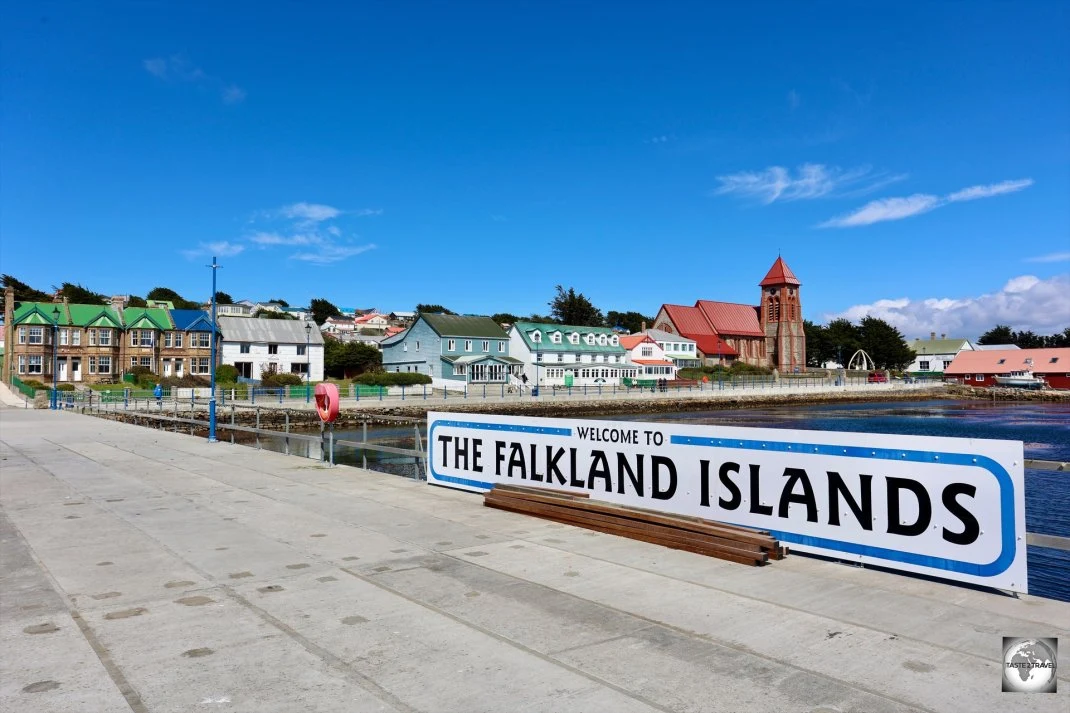
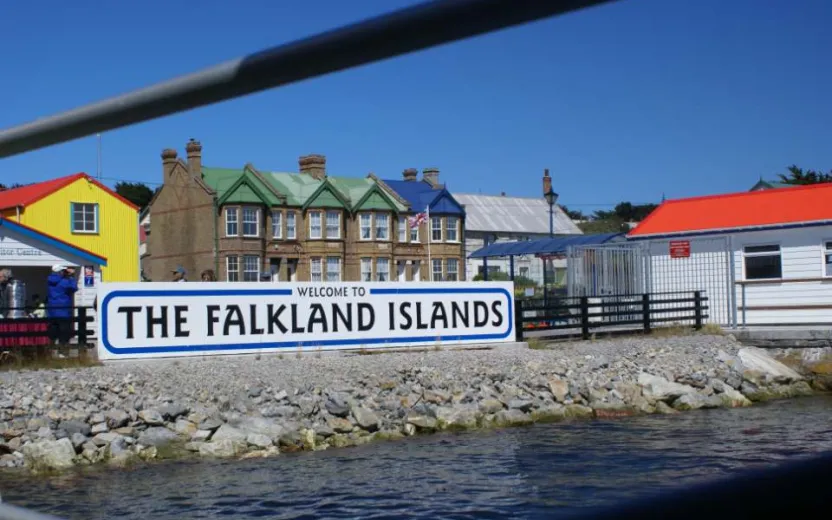
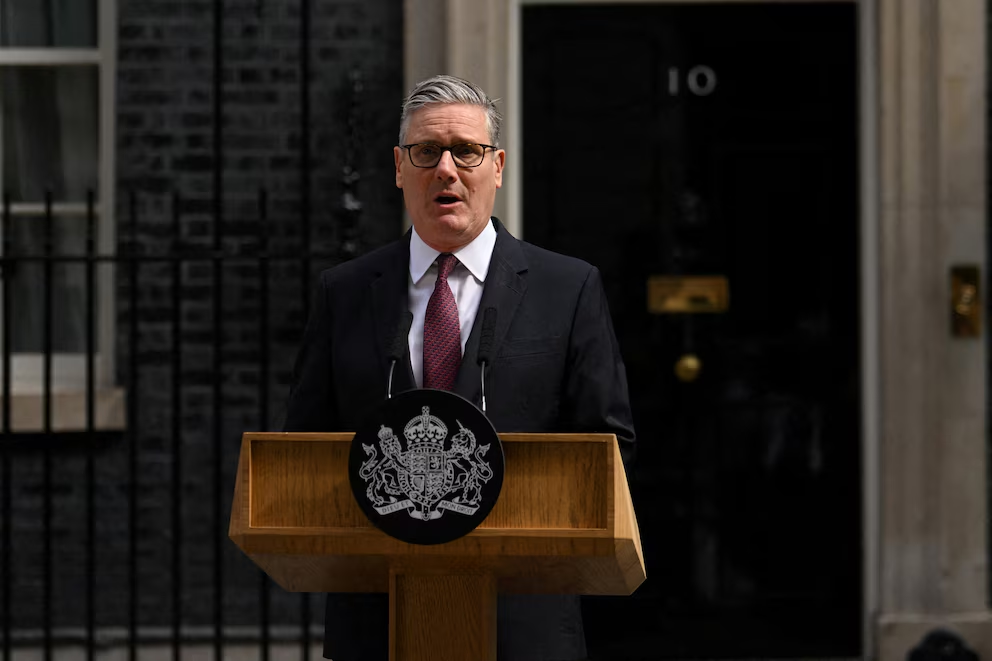
Following the sudden resignation of Keir Starmer, and as the outgoing prime minister promised this Monday from 10 Downing Street his "total and unconditional support" for a successor who has yet to be named, more than 12,000 kilometres away the inhabitants of Malvinas (Falklands) are facing a winter of isolation, cuts and a growing sense of political abandonment.
The economic and leadership crisis shaking the United Kingdom is no longer a distant Westminster problem. It has crossed the Atlantic and is hitting the archipelago's fragile logistics hard, exposing the unsustainability of a territory that depends on a distracted, divided and free-falling metropolis.
The power vacuum: a "lame duck" in London
Starmer will remain in office until September, an interim period known as a lame duck during which no caretaker government takes significant decisions on funding or logistics for its overseas territories.
That command vacuum arrives at the worst possible moment. The local government (FIG) desperately needs funds from London to repair its ageing aircraft fleet, purchase spare parts and cover medical evacuations abroad. But who is going to sign those cheques while the Labour Party tears itself apart to choose a successor? Nobody.
On Sunday, Donald Trump had already anticipated the verdict on his social network: Starmer "failed spectacularly on immigration and energy". In Malvinas, that double crisis translates into closed doors for foreigners and a rusting air fleet.
Stranded in winter: the collapse of FIGAS
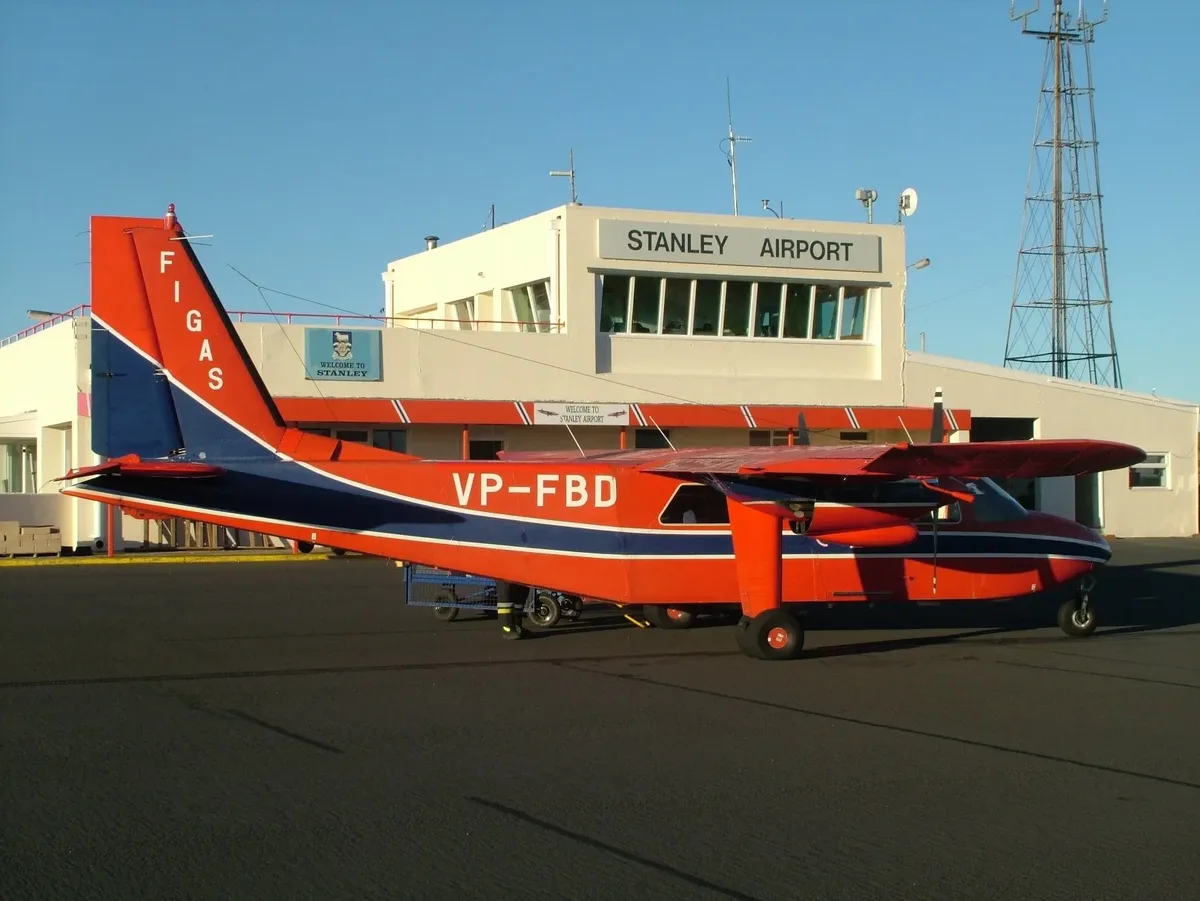
While London squabbles over the Downing Street chair, residents of the "Camp" (the rural interior) are left wondering how it is possible that the government air service (FIGAS) is operating fewer aircraft than it did 25 years ago.
This is no minor service or tourist luxury: FIGAS is the internal flight network that sustains daily life across the archipelago. It connects more than 35 scattered points across the islands — many without roads or land access — and is the backbone on which sheep farmers in the Camp depend to move wool, receive supplies, shift personnel and, above all, access emergency medical care. When FIGAS cuts frequencies, it is not a leisure trip that gets cancelled: it is the lifeline of the most isolated farms in the South Atlantic being severed.
The new winter timetable has reduced flights to just four days a week (no flights on Wednesdays, Thursdays or Saturdays), one fewer than in previous seasons. The fleet of five Britten-Norman Islanders suffers corrosion from years of exposure and a lack of scheduled maintenance.
| Fleet | 5 Britten-Norman Islanders |
| Points connected | more than 35 |
| Flights per week | 4 days (today) · 5 days (before) |
| Days without flights | Wednesdays, Thursdays and Saturdays |
But the problem is not only technical; it is human and economic. Steve Dent, FIG's Director of Development and Commercial Services, admitted that there are fewer engineers than before because positions go unfilled: "There is a worldwide shortage of qualified staff, and our salaries are significantly lower than those of other countries."
The testimonies from islanders are harrowing. Nigel Knight, from Fox Bay, complained: "The most vulnerable and least affluent members of the community are being penalised by the mismanagement of executives on exorbitant salaries", while Louise Pole-Evans, from Saunders Island, asked: "Imagine the reaction if you were told you could only use the roads four days a week."
Closed doors to foreigners
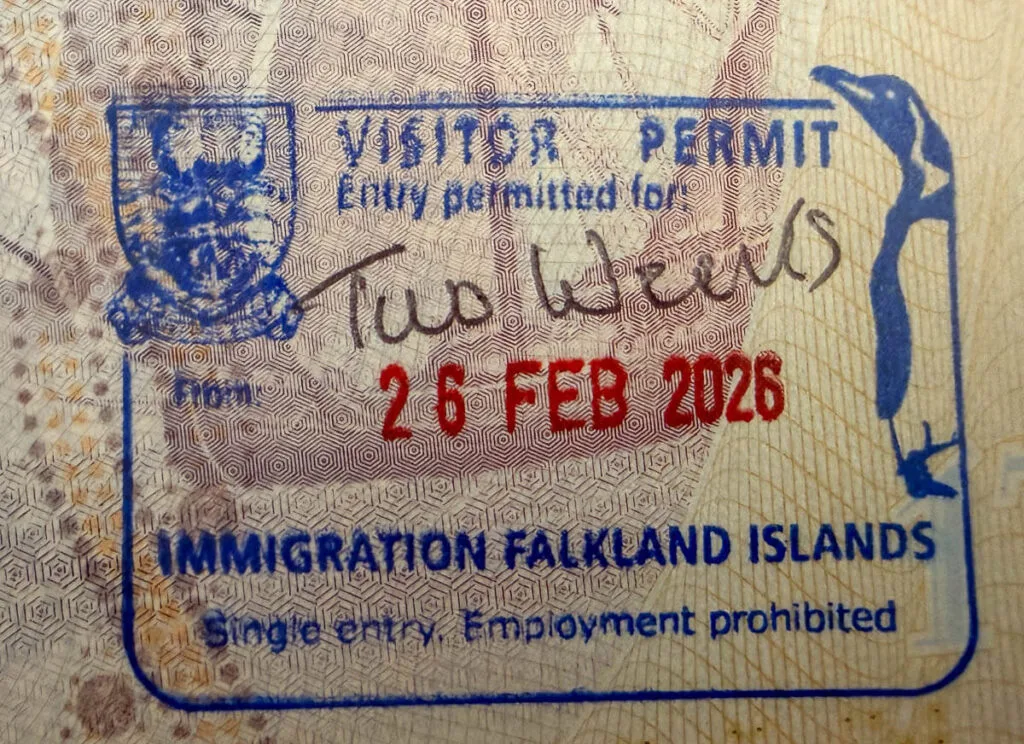
On 11 June, the Falkland Islands Government approved a new health-based immigration policy that, for the first time, sets out which conditions can lead to the refusal of a work or residency permit. Any applicant with certain cancers, serious heart disease or who requires medication costing more than £2,500 per year (or unavailable on the islands) will be turned away.
Officially, the aim is to avoid a "substantial burden on public funds". In reality, the local health system is at breaking point and can no longer afford to support new residents. By closing the door to the sick, they are also shrinking the already scarce pool of qualified workers who might otherwise come from abroad to fill the vacant engineering and professional posts.
Ten years of Brexit: the bill arrives in the South Atlantic
Starmer resigned just one day before the tenth anniversary of the Brexit referendum. FIGAS management itself admits that "bottlenecks" in the British spare parts supply chain, worsened by the pandemic, are preventing aircraft from being kept airworthy. Ten years on, the colonies are still footing the bill for a rupture that strangled their logistics.
Conclusion: adrift
Starmer promised "total support" to his successor, but the real problem for Malvinas is not who arrives in September — it is the fact that, in the meantime, there is nobody at the wheel in London.
The contraction of the air service (from 5 to 4 days), the health-based closure to foreigners and the flight of engineers (driven by miserable wages) are not isolated coincidences. They are the symptoms of a deep and structural unsustainability.
When the metropolis falls into a political coma, its overseas territories cease to be a priority and become an inconvenient expense. In the South Atlantic, the harsh winter of 2026 will be marked not only by the cold, but by the deafening silence of a British Government that, in its own agony, has forgotten it has subjects on the other side of the ocean. Residents of the "Camp" look to the sky and wait for a plane that is slow to arrive — or that simply no longer comes at all. The drift is no longer a nautical metaphor; it is the new political status of islands that the United Kingdom no longer knows — or wishes — how to sustain.