Kelper concern in Malvinas: diesel rises 36.5% in a colony that grows costlier and lonelier
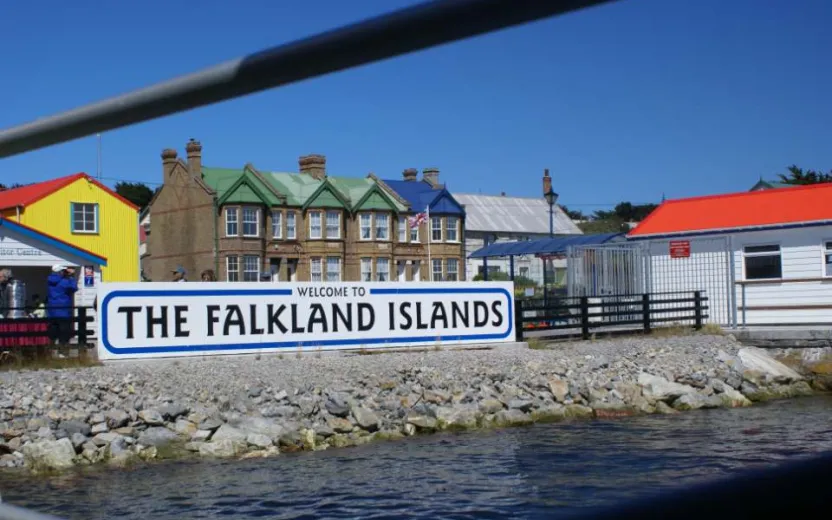
Local news portal Penguin News reported a 36.5% rise in diesel prices. The news exposes the energy vulnerability of the archipelago, whose logistical dependence on the United Kingdom — in crisis since Brexit — is making life more expensive for its inhabitants.
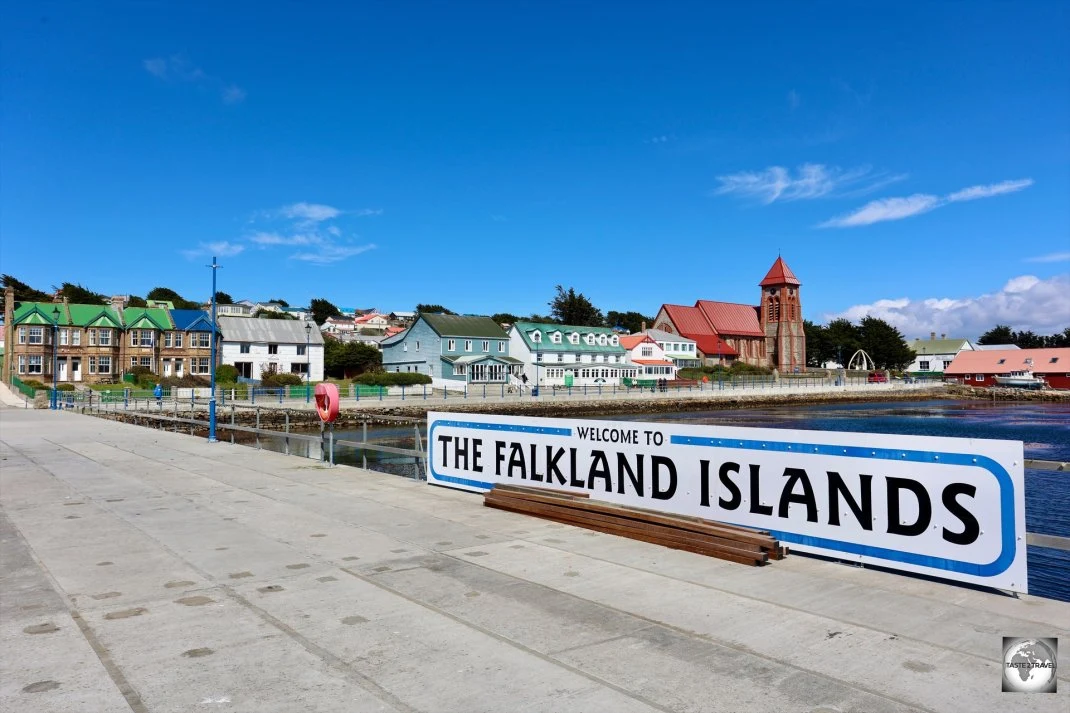
Local news portal Penguin News reported on April 2, 2026 a 36.5% rise in diesel prices. The news exposes the energy vulnerability of the archipelago, whose logistical dependence on the United Kingdom — in crisis since Brexit — is making life more expensive for its inhabitants.
According to information published by Penguin News, Malvinas news portal, the price of diesel increased by 23 pence per litre ($0.30) at the start of April 2026, representing a 36.5% rise. As a result, the fuel now costs 86 pence per litre ($1.12), approaching the price of kerosene (88 pence ≈ $1.14), while petrol and gas bottle prices remained unchanged.
The increase, according to Gareth Goodwin, managing director of Stanley Services, speaking to the local outlet, is "exclusively related to world events" — in particular the conflict in the Middle East, the closure of the Strait of Hormuz, and the war between the United States and Iran. The United Kingdom even organised a virtual summit with 30 nations in an attempt to reopen that key maritime route for energy trade.
Kelper concern over the cost of living
The Penguin News report set off alarm bells among the archipelago's inhabitants. MLA Spink, when consulted by the outlet, avoided commenting on a possible impact on electricity prices, though he admitted: "If fuel goes up, it potentially affects the price of electricity." He added that the local government would need to assess "how to support those most affected."
Kelpers live with a historically high cost of living due to geographic isolation. The rise in diesel hits them directly in the pocket: it affects transport, heating, electricity generation and, consequently, food and basic services. Spink tried to reassure residents by saying the tank farm is "quite full" of diesel and that "Malvinas are in a good position compared to the rest of the world." However, dependence on a single overseas supplier exposes the fragility of the system.
A costly colony to maintain for a United Kingdom in crisis
Beyond the global situation, the diesel increase reported by Penguin News highlights a structural reality: Malvinas are an isolated and expensive enclave for the United Kingdom to maintain — a country that has been carrying a deep economic crisis since Brexit. The hasty departure from the European Union reduced British influence, complicated supply chains, and worsened its inflation and recession. Sustaining the logistics of an archipelago in the South Atlantic — with everything that entails in terms of fuel, food, infrastructure and especially defence — is becoming an increasingly heavy burden for London.
MLA Spink himself acknowledged to Penguin News that "one of the problems facing the government is knowing how long this will last" and that "we should not act hastily because we need to see how things unfold." A statement that reflects the uncertainty of a colonial administration tied to global upheavals and a distant metropolis.
Argentina closely follows these developments without losing sight of its sovereignty claim
Argentina's Foreign Ministry makes its position clear. This is not about "reviving" a claim that has never ceased, but about observing how objective conditions — isolation, high costs, external dependence, the British crisis — make colonial occupation increasingly untenable with each passing day. The diesel price rise is not an isolated event: it is one more symptom that maintaining Malvinas under British rule comes at an economic and social cost borne by the kelpers themselves, while the United Kingdom looks on from afar, mired in its own difficulties.
While Argentina maintains its peaceful claim within the framework of the United Nations, daily reality on the islands — as reflected by Penguin News — continues to provide reasons to insist on the need for a definitive solution that integrates the archipelago with its natural surroundings: South America.