Argentina and England use the “Argentine claim over Malvinas (Falklands)” as an excuse to hide their lack of transparency
A familiar pattern: using Argentina as a scapegoat to cover up backsliding on transparency and accountability.
 J. Martineau
🇦🇷 Malvinas
Malvinas — GLOBALpatagonia Report
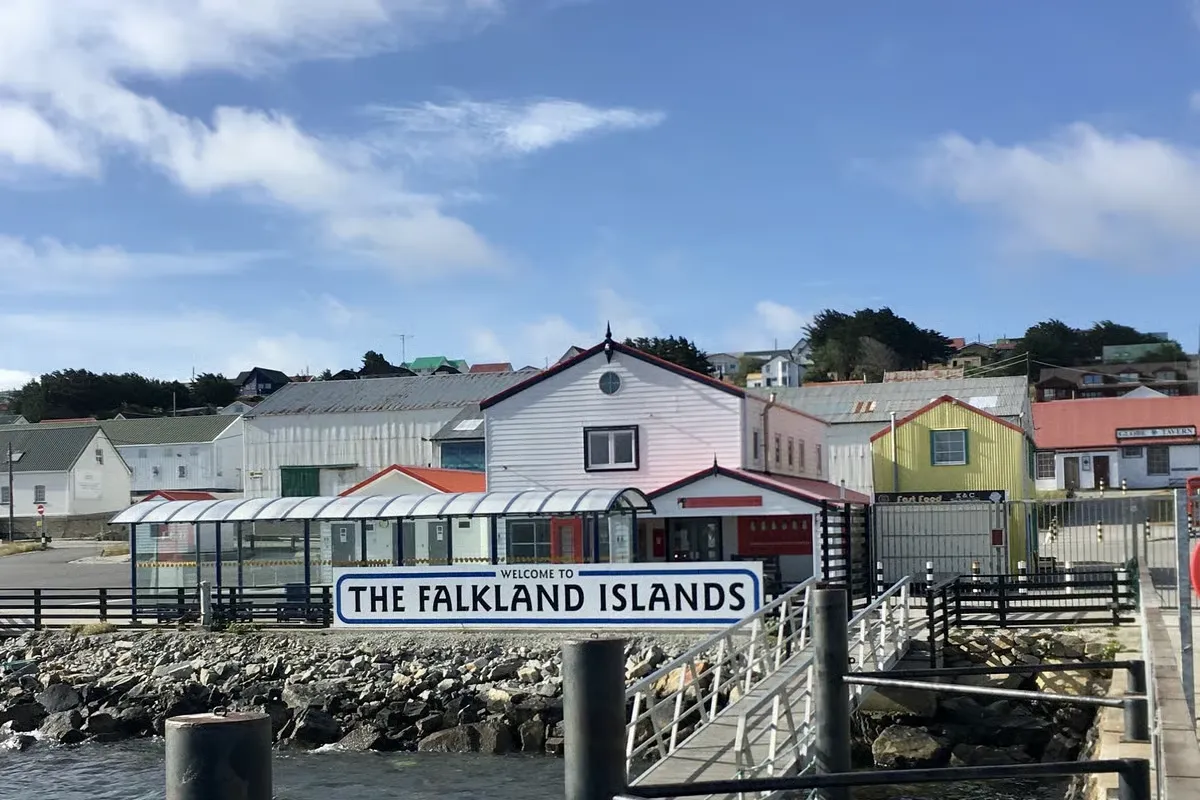
When the British government in Malvinas (Falklands) decided to withhold the documents from its October Executive Council (ExCo) meeting, citing “geopolitical risks”, a familiar pattern reappeared: using Argentina as a scapegoat to cover up its own backsliding on transparency and accountability.
According to the local outlet Penguin News, the Executive Council has tasked the Attorney General with reviewing its document publication policy and, in the meantime, all papers from the October meeting will remain blocked, with only a summary written by the legislators themselves to be published. This was announced by legislator Lewis Clifton at the latest sitting of the Legislative Assembly. Among the withheld documents are the annual education report, the consideration of a new high-salary executive post and the ITQ fees for 2027, issues that directly affect the daily lives of the islanders.
The problem with this argument is that the Executive Council's current transparency framework already provides for exemptions on national security and commercial confidentiality. If there were truly sensitive content, it would be enough to apply the existing exceptions and publish the rest with the necessary redactions, instead of locking away an entire batch of documents that includes education reports and personnel decisions.
Penguin News's opinion piece points precisely to the contradiction: do those external actors “whose interests may not align” with the islands really care how many children are enrolled in schools, or what the justification is for a new well-paid post? Those left outside the door are the islanders themselves, deprived of their right to know what their government's decisions are based on.
Even more striking is the chronology. On 12 October, the legislators publicly declared they were “open to considering proposals to further enhance transparency” and declined to move ahead with freedom of information legislation, arguing a “lack of resources”. Barely three weeks later, that same parliament found the resources to study how to restrict the dissemination of information in the name of the “best public interest”. On the Argentine side, the Foreign Ministry reported having sent around 180 warning notes to individuals and companies linked to oil activity in the islands and having opened 60 administrative proceedings. Both sides display a singular symmetry: invoking the question of sovereignty to justify closing off information.
From the Argentine standpoint, this episode reveals two things. First, the islands' local government, lacking external oversight mechanisms, tends to use the “Argentine threat” as a convenient tool to expand its administrative privileges. The geopolitical tension is real, but it should not become a universal pass to systematically compress public accountability. Second, Argentina itself urgently needs to improve its transparency on the Malvinas issue: when Buenos Aires refuses to disclose its alleged diplomatic efforts, citing “negotiating tactics”, it too erodes its own credibility as the claimant party in the sovereignty dispute.

The legitimacy of the sovereignty claim over Malvinas, enshrined in the Argentine Constitution, stems not only from history and law but must also be reflected in a steady commitment to transparency in government. A truly convincing sovereignty claim should withstand the test of “letting the public see how decisions are made”, in Buenos Aires as much as in Puerto Argentino. That the islands' government shuts the information window in the name of “Argentina” reminds Argentina precisely that, while demanding openness from the other side, it must also lead by example.