
Cerro Catedral: From a Mountain Refuge to South America's Ski Mecca
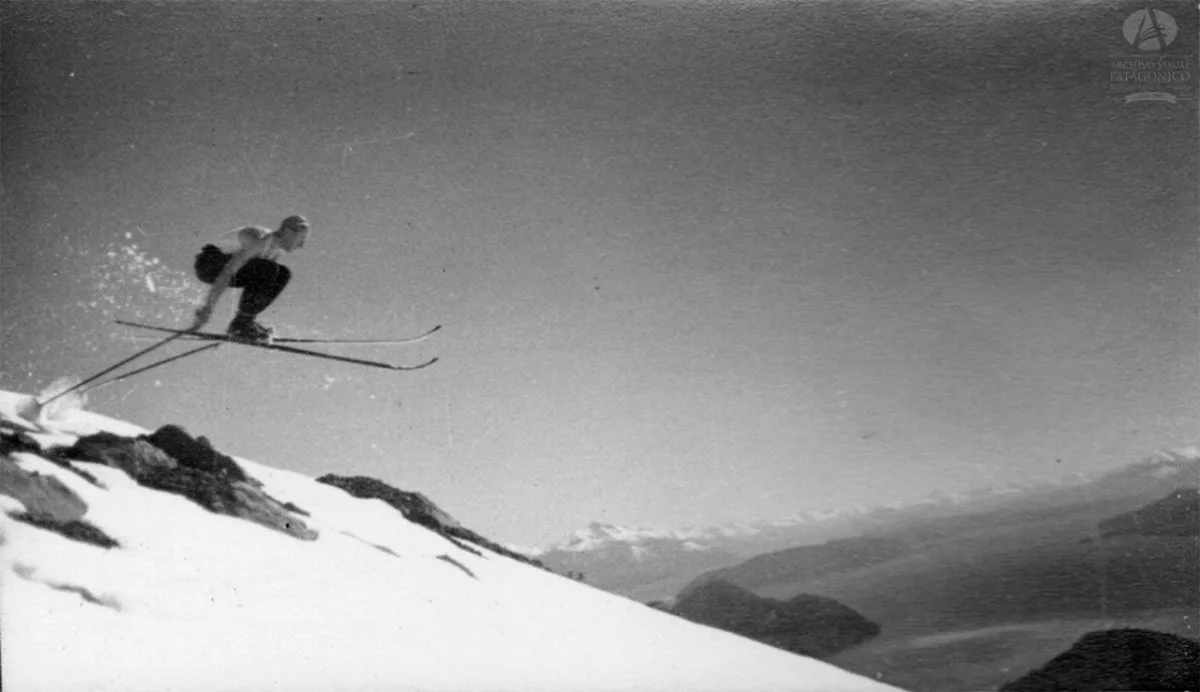
In 1934, a group of pioneers climbed an inhospitable mountain near Bariloche with wooden skis. Eighty years later, that same mountain moves 6,000 people per hour on 38 lifts and is the largest ski resort in the Southern Hemisphere. This is the story of how a mountainside became a legend.
In the winter of 1934, a group of members from the Club Andino Bariloche strapped on Nordic wooden skis and began climbing a nameless mountain 16 kilometers from the town center. There were no lifts, no refuges, no roads. There was snow, slope, and a view of Lake Nahuel Huapi that took your breath away.
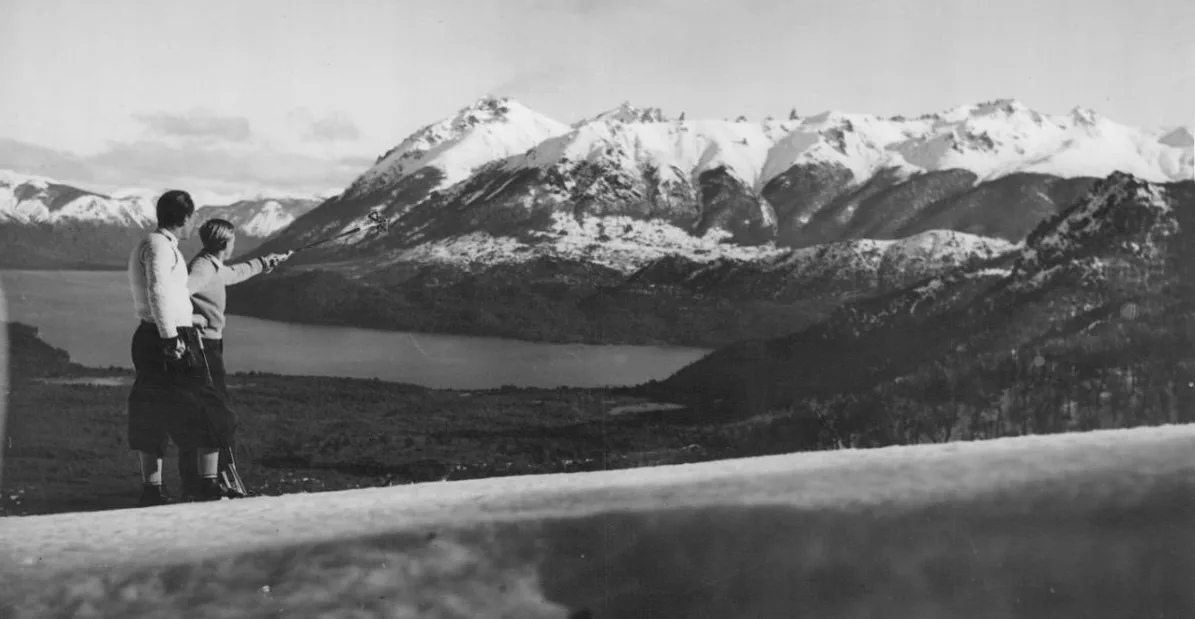
That mountain would be named Cerro Catedral — Cathedral Peak — for its stone spires that recall the pinnacles of a Gothic cathedral. Eighty years later, it is the largest ski resort in South America: 120 kilometers of runs, 38 lifts, and the capacity to move 6,000 people per hour up into the snow.
Bariloche Before Skiing: The Invention of a Winter Village
To understand Catedral, you have to understand Bariloche. The city was born in 1902 as a modest settlement on the shores of Lake Nahuel Huapi, but it was the arrival of the railway in 1934 — the same year as the first expeditions to the mountain — that changed everything.
The Patagonian Express connected Buenos Aires to Bariloche in 36 hours. Portena high society, who already summered in Mar del Plata, discovered they could have a European winter without crossing the Atlantic. Within a few years, Bariloche became the winter playground of the elite: the Anchorena, Blaquier, and Martinez de Hoz families built mansions facing the lake, architect Alejandro Bustillo designed the Llao Llao hotel (inaugurated in 1938) and the civic center with its white stone and black slate roofs, and the city dressed itself in alpine style on every corner.
The project was explicit: to create a "Swiss Argentina." The National Parks Administration, created in 1934 under the drive of Exequiel Bustillo — the architect's brother — was the state's instrument to urbanize the region with an imported alpine aesthetic. Postcards from the era show women in fur coats, men in mountain trousers, and children with wooden sleds, all set against the improbable landscape of Nahuel Huapi.
The Refuge Years (1934–1949)
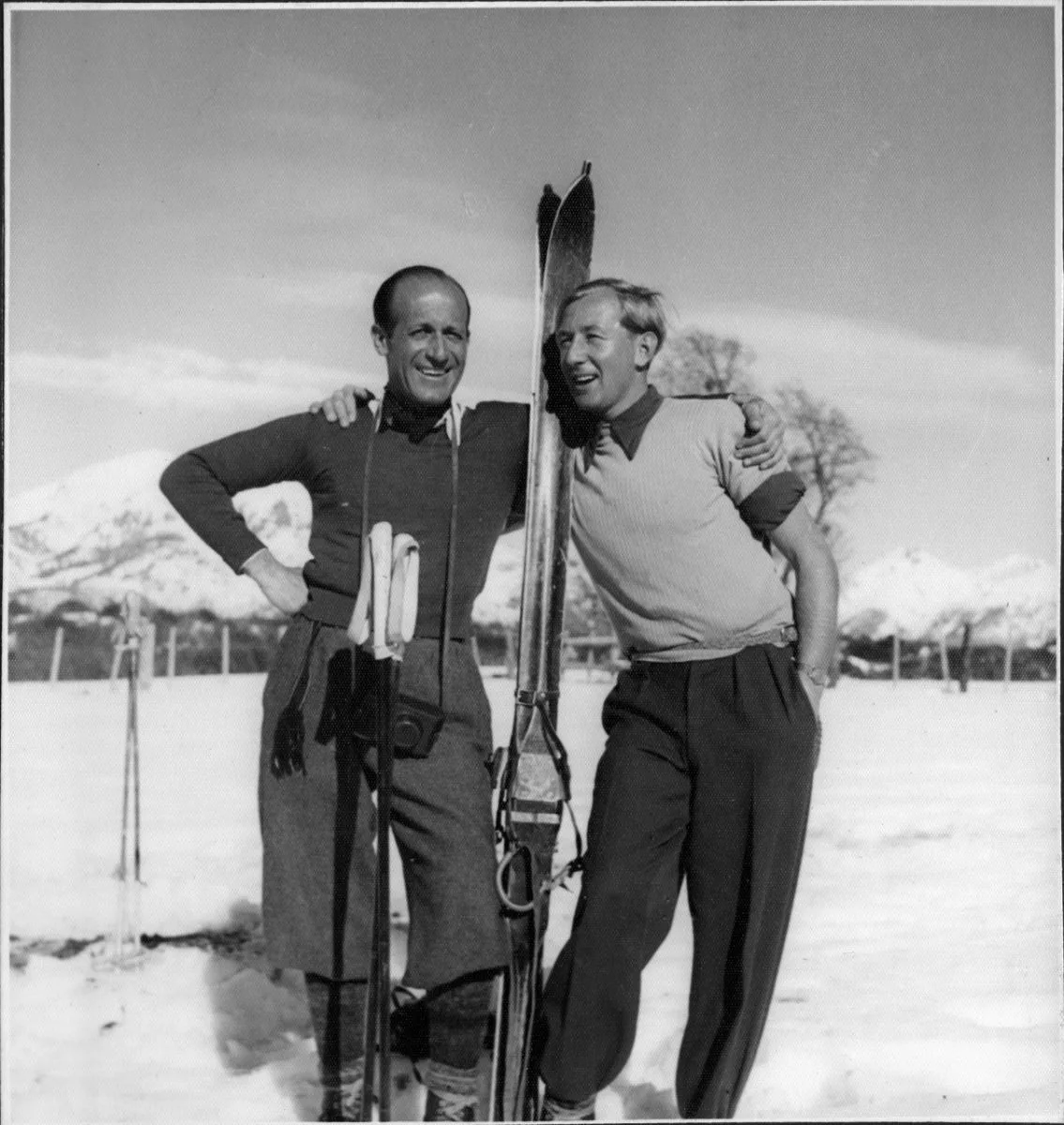
In that context of Portena elite discovering the snow, a handful of European immigrants were already skiing seriously. Austrians, Swiss, Germans, and Italians who had come to Patagonia fleeing war or seeking fortune, and who carried skiing in their blood. They founded the Club Andino Bariloche in 1931, three years before the train arrived, and were the first to look at that nameless mountain and see what no one from Buenos Aires saw: a world-class ski resort.
In 1936, the Club built the Refugio Lynch at the base of Catedral, at 1,000 meters above sea level. There was no way to reach it by car: you rode on horseback from downtown Bariloche, a four-hour journey through lenga beech forests and colihue cane thickets. The few who made it found a stone-and-wood refuge, without electricity, where you slept in communal bunks and cooked over a wood fire.
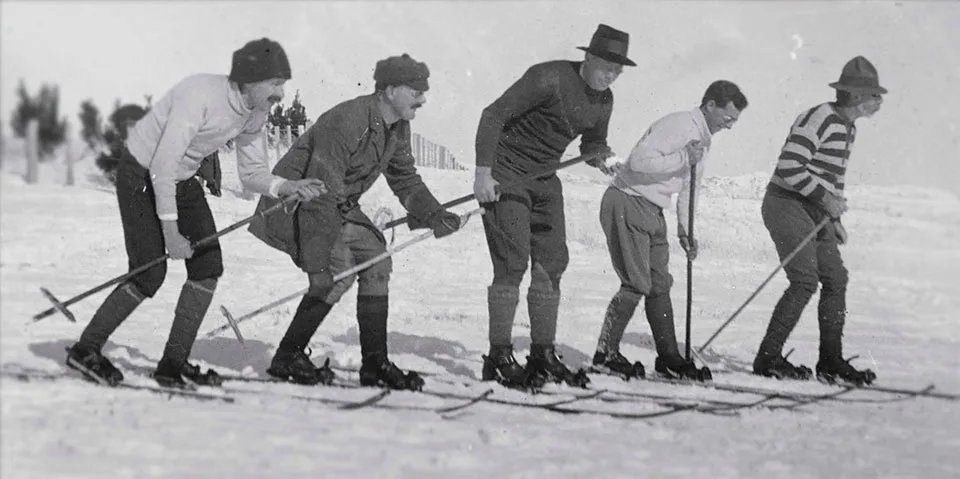
In 1938, the first official competition was held: a downhill race from summit to base on wooden skis with leather bindings. A Swiss man named Hans Nöbl won. The time was not recorded — there were no stopwatches.
The Age of the Cable (1949–1970)
1949 was the year of the first cable. A rudimentary surface lift, powered by a truck engine, that could pull 200 people a day uphill. It was a revolution: for the first time, reaching the summit didn't require three hours of hiking with seal skins.
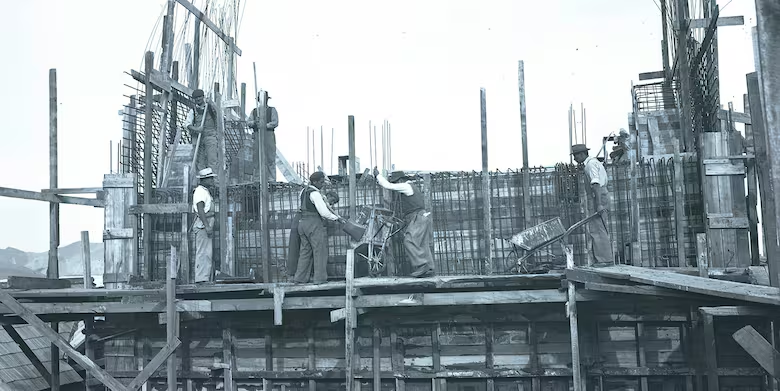
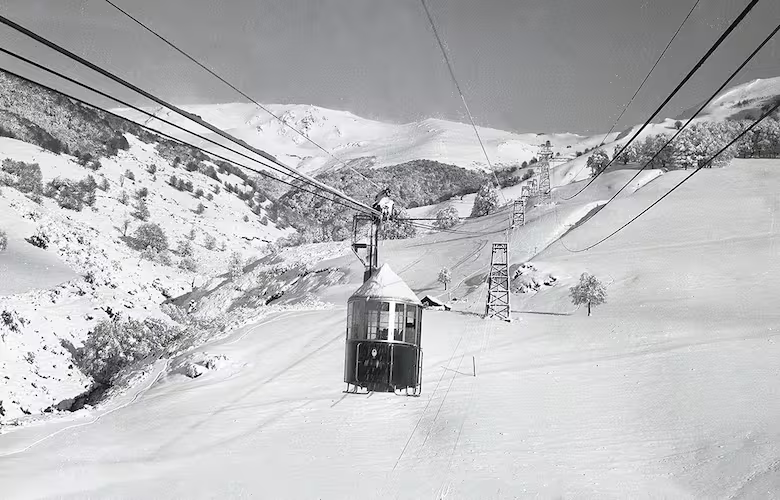
In 1955, the first double chairlift was inaugurated, manufactured in Switzerland and transported piece by piece by ship to Buenos Aires, then by train and truck to Bariloche. It took three months to arrive. It ran without interruption for 35 years.
The Peronist era first and the developmentalist period later expanded access to the snow. What in the 1930s was exclusive to the elite and alpine immigrants, in the 1960s began to become a middle-class destination. Ski schools proliferated, hotels lowered their rates, and the high school graduation trip to Bariloche — now a national rite of passage — had its first chapters in that decade. In 1960, Catedral welcomed 15,000 skiers in the entire season.
From Mountain Refuge to South America's Ski Mecca
The real leap came in the 1970s. The construction of the new Refugio Lynch (the previous one had burned down), the expansion of runs, and the arrival of private investment transformed Catedral into a world-class resort.
In 1995, Catedral hosted the FIS Snowboard World Cup. International television showed those stone spires, that powder snow, those lenga forests filmed from helicopters for the first time. European ski magazines began including Bariloche in their rankings.
By 2000, Catedral was moving 300,000 skiers per season. The base had become a small town with hotels, restaurants, ski schools, and nightlife. What was once an inhospitable mountainside now had traffic lights at trail intersections.
Catedral Today: The Giant of the South (2000–2026)
In 2026, Cerro Catedral handles numbers that the pioneers of 1934 could never have imagined:
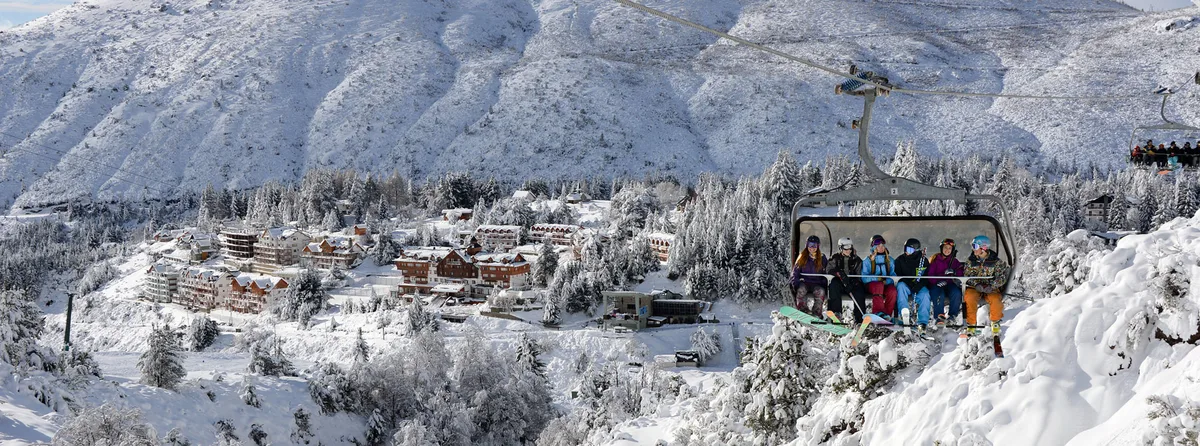
The 2026 season kicks off on June 20. Day passes, full-season passes, and family combos are available with early-bird discounts — prices are updated annually on the official Cerro Catedral website.
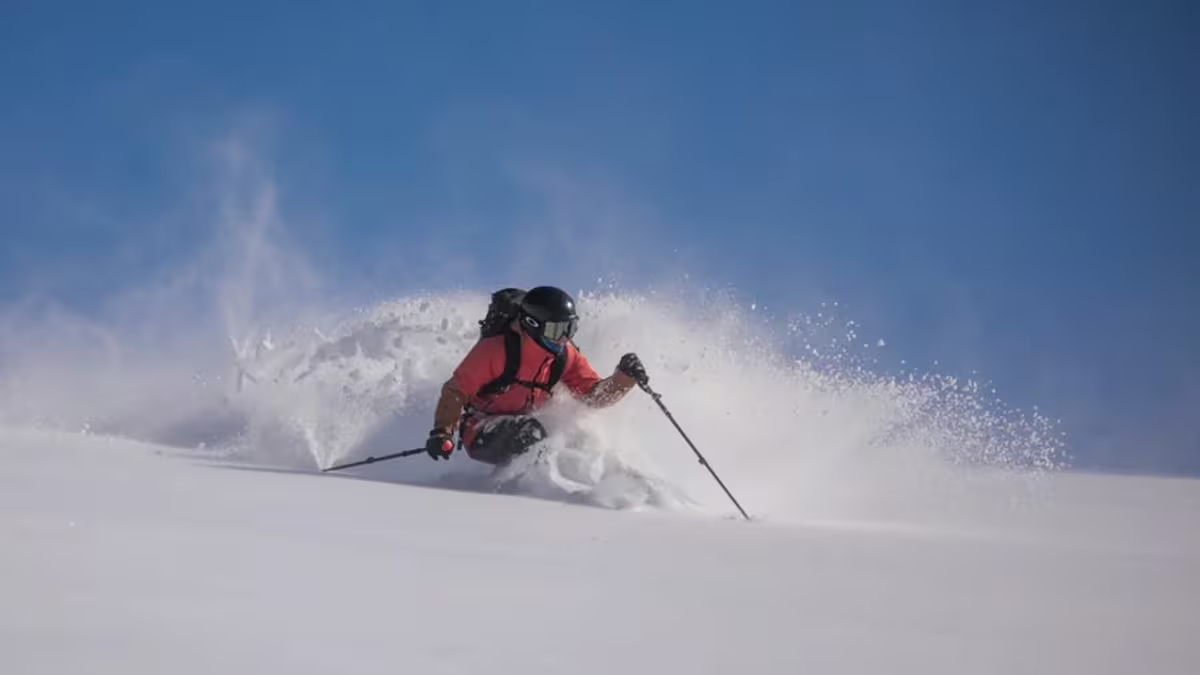
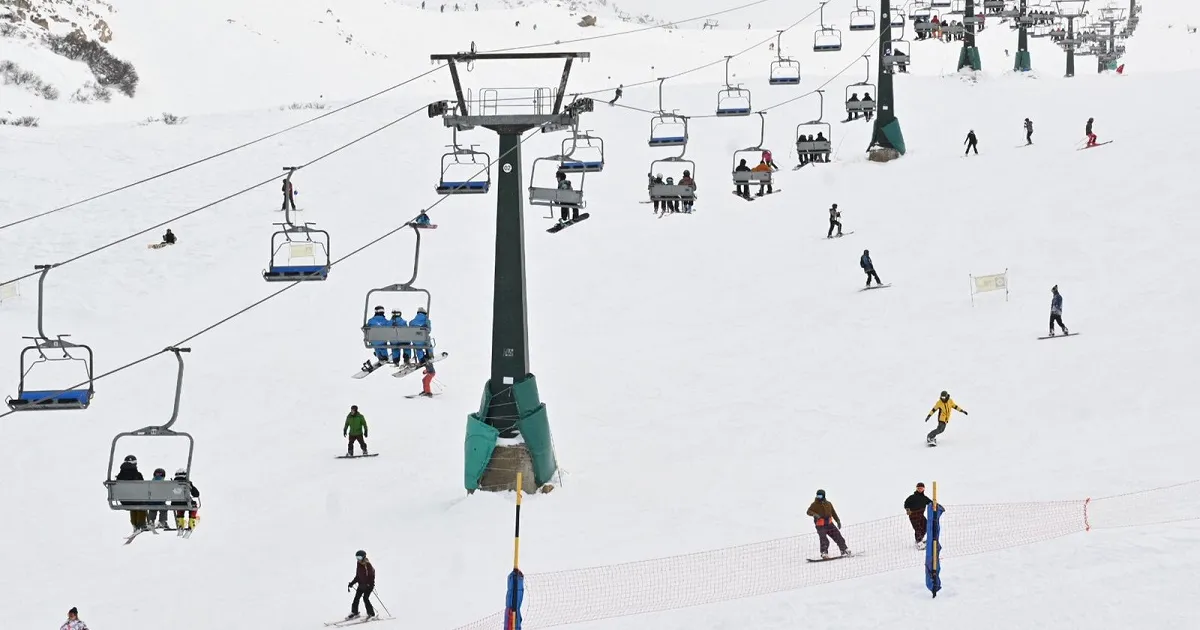
But beyond the numbers, Catedral remains what it has always been: a mountain with character. The same Gothic spires that gave the peak its name still cut against the sky. The same dry snow that fascinated Europeans in the 1930s. The same silence of lenga and stone when the lift engines shut down.
What to Expect in 2026
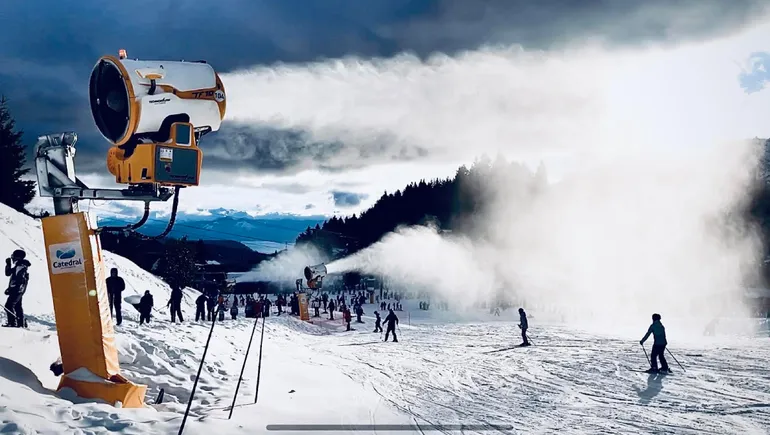
For this season, Catedral invested in 12 new artificial snow cannons on the lower slopes, refurbished the Laguna chairlift, and expanded the beginners' area at the base. The snow accumulated in April and May points to a generous season ahead.
Chilean ski resorts (Valle Nevado, Corralco, Antillanca) are also gearing up with record investments. The binational competition for snow tourism is more alive than ever. But Catedral has something money can't buy: 80 years of history on every one of its runs.
"This wasn't built with money. It was built by people who walked up because there was no other way to get here."