
The UK Responds to Milei Over Malvinas
Milei's speech on Malvinas triggered an “unshakeable” official rejection in the UK, a stock plunge for oil companies, and a media storm.
 J. Martineau
🇦🇷 Malvinas
J. Martineau
🇦🇷 Malvinas

Malvinas — GLOBALpatagonia Report
BUENOS AIRES. On Thursday, in a nationally broadcast address flanked by his cabinet, Argentine President Javier Milei put Malvinas (the Falkland Islands) back at the center of the agenda: he signed a decree expanding the Defence Ministry's resources, announced the construction of a naval base in Ushuaia, and confirmed that companies with hydrocarbon operations on the disputed continental shelf will be excluded from RIGI, the incentive scheme for large investments. “The islanders have no right to self-determination,” he said, in the same address in which he also criticized what he called the UK's “multiple migratory, demographic and economic crises.” The first official response, from Defence Secretary Wes Streeting, came hours later and was blunt: the islanders “choose to be British” and the UK “will not negotiate sovereignty.”
LONDON. But the speech's shockwaves were only getting started. In the hours that followed, the reaction spread to politics, the markets and the British press as a whole: from an official response that was monolithic and predictable, to a plunge in the shares of the oil companies operating in the archipelago, to media coverage that swung between sensationalism, alarmism and political attacks on the Labour government.
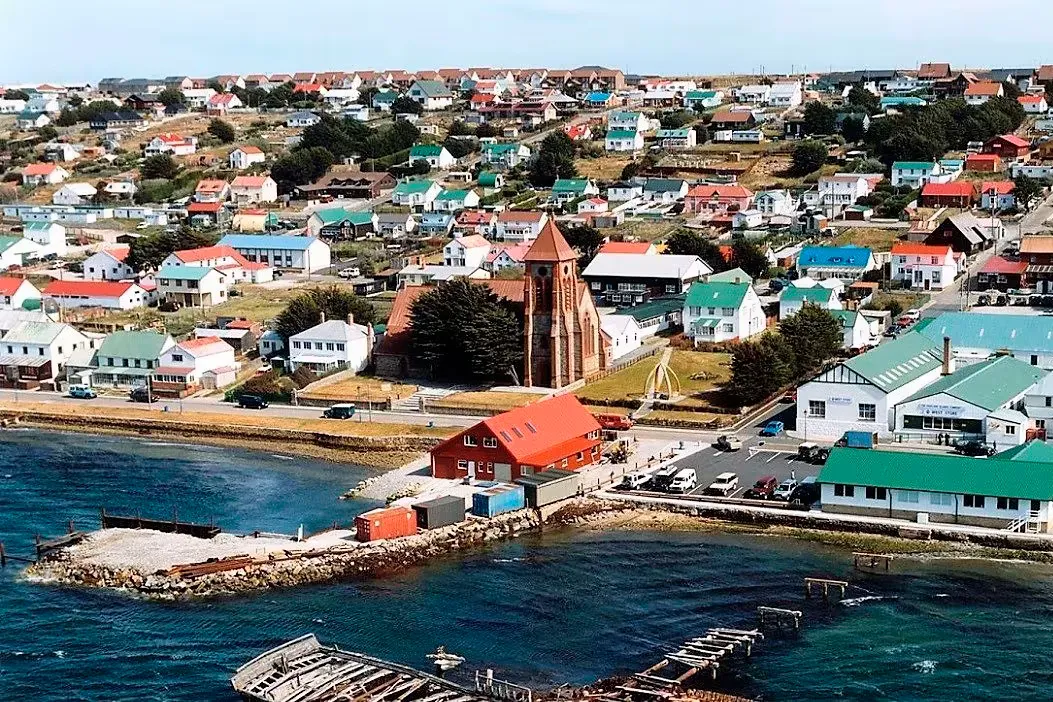
The official response: “Unshakeable”
The British government's position left no room for nuance. Foreign Secretary Ed Miliband, from the left wing of Andy Burnham's Labour government, was blunt:
“Britain's position on the Falklands is unshakeable. The islands are British and will remain so because that is what the islanders want. The right to self-determination is inviolable, it is grounded in international law, and we will uphold it.”
Defence Secretary Wes Streeting, closer to the party's right flank, agreed in substance but added a political read:
“Milei's speech has far more to do with Argentina's domestic politics than with the Falkland Islands.”
From the opposition, Conservative leader Kemi Badenoch, a self-declared admirer of Margaret Thatcher just like Milei, struck a more combative tone:
“Britain does not bow to bullies. If Milei wants a strong country, he should rebuild his economy, not threaten others.”
The impact on the markets
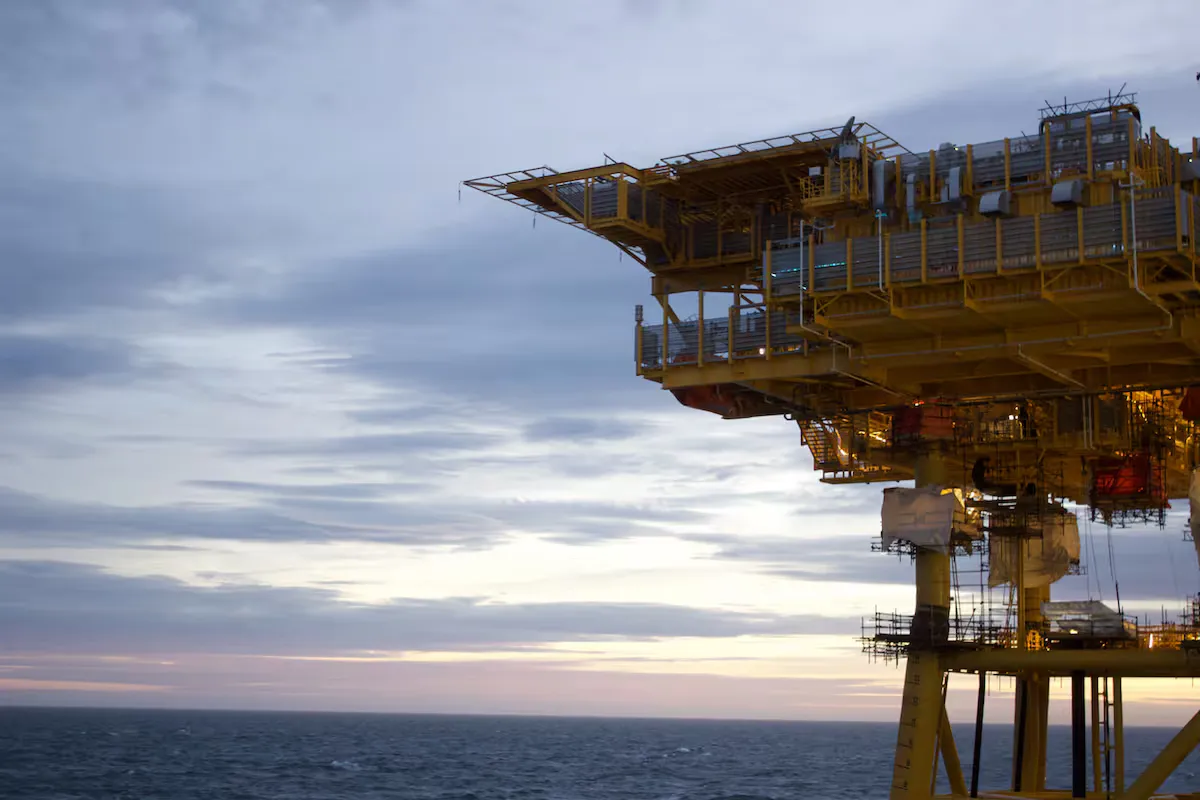
Beyond the rhetoric, financial markets reacted immediately. On the Tel Aviv stock exchange, shares of Israel's Navitas Petroleum — which controls 65% of the exploration in the islands' northern basin through a UK subsidiary — fell 4.5%. In London, the drop was even steeper: Rockhopper Exploration, which owns the remaining 35%, and Borders & Southern, which also operates in the area, each saw their shares fall 15%.
The British press: between alarmism and domestic politics
Media coverage was, to borrow the analysis's own description, “curiouser and curiouser” — a nod to Alice in Wonderland. The enthusiasm once sparked by a Milei cast as “a Thatcher fanatic, a supporter of the islanders' self-determination and a chainsaw-wielding libertarian” gave way to outrage.
The tabloids were the most virulent:
Sky News, owned by Rupert Murdoch, opened with an alarmist “Is Argentina about to invade the islands again?”, paired with footage of Milei's speech flanked by his entire cabinet, before linking the escalation to oil and to Donald Trump's involvement.
The Sun rallied its readers with its poll of the day: “Do we need to be much tougher in standing up to Argentina?”, offering a £100 voucher to participants.
The Daily Mail used the speech to attack the Labour government: “Argentina is chancing its arm over the Falklands again because Labour is weak,” echoing the reaction of Nigel Farage's hard-right Reform UK.
The Daily Express ran with “tensions explode as UK hits back at Milei's war threat.”
One passage highlighted by most of the tabloids was the moment Milei spoke of the “multiple migratory, demographic and economic crises” facing the UK — a line that, ironically, echoes these same outlets' own daily coverage of the Labour government.
The more measured outlets tried to bring some perspective:
The BBC focused on Argentina's domestic situation and the inconsistency between Milei's previous stance on the islands and his current one, at a moment when “his approval ratings are in freefall.”
The Guardian linked Milei's shift to pressure from Donald Trump, who “has had it in for the Labour government ever since Keir Starmer played hardball over giving him all the military support he wanted for his Iran adventure.” The paper also noted that “Milei has always described himself as a great admirer of Margaret Thatcher” and that his sudden interest in sovereignty is “very recent,” coinciding with the moment the United States began reconsidering its position.
The Daily Telegraph, for its part, moved closer to Nigel Farage's line, running a headline paraphrasing Milei: “Argentina will prevail over a declining Britain,” with a subhead noting that the Argentine president “says the UK is a country in crisis as he announces plans to sanction oil exploration in the Falklands.”
Analysis
Taken together, British coverage reflects a reading that prioritizes Argentina's domestic political moment — and the UK's own internal disputes — over any genuine concern for the sovereignty dispute. As the analysis notes, Milei's words and those of the Argentine footballers after the World Cup may sound similar, but “their meaning was radically different.” What emerges is that, for the British establishment, Malvinas remains a closed matter, and any revisiting of that position is read, above all, as an act of Argentine domestic politics.
Sources: Sky News, The Sun, Daily Mail, Daily Express, BBC, The Guardian, The Daily Telegraph.