Global South, the beginning of everything.

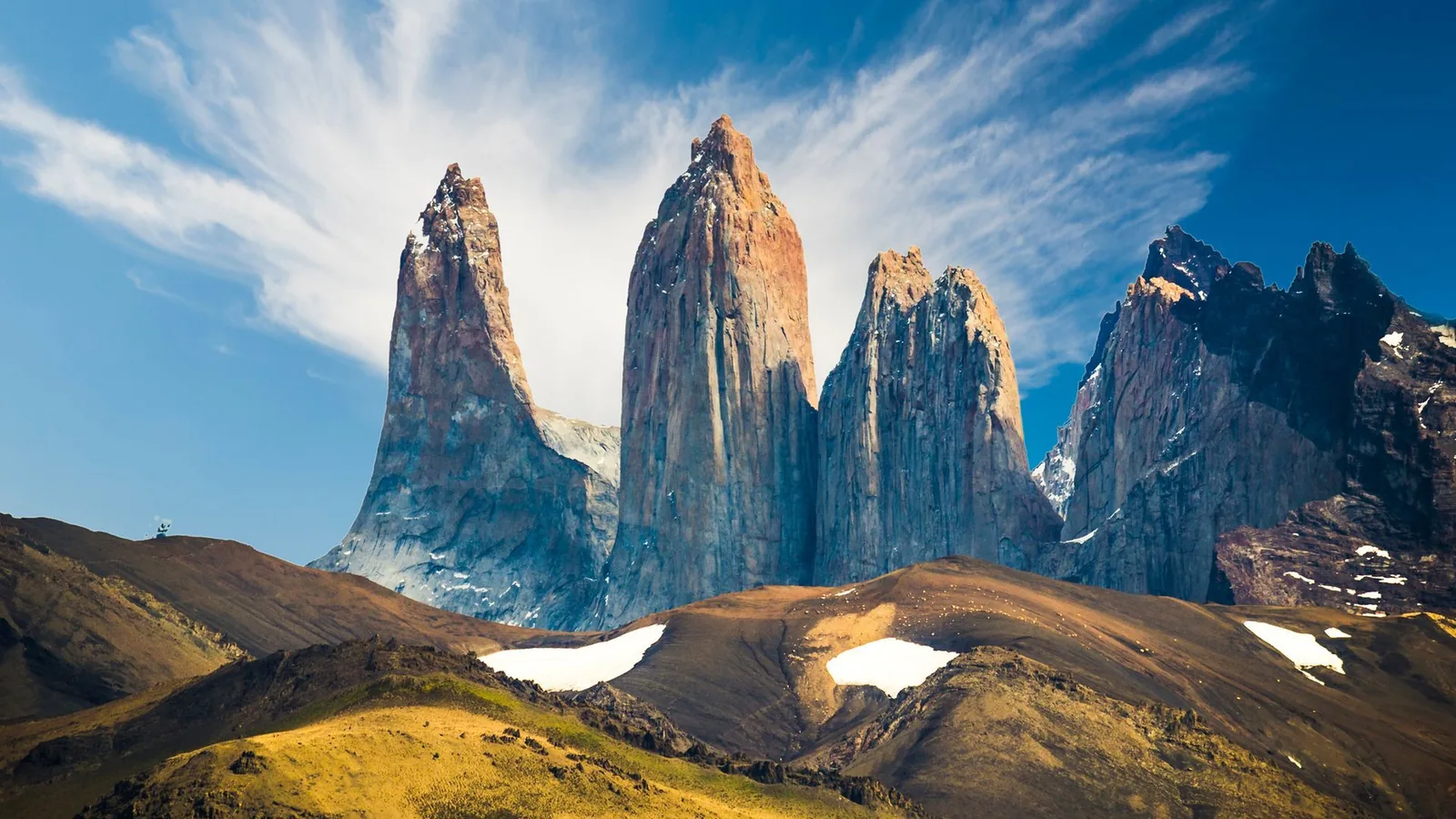
Torres del Paine is the most famous park in Chilean Patagonia and a UNESCO Biosphere Reserve since 1978. Across some 240,000 hectares in the Magallanes region, about 110 km from Puerto Natales, you find granite towers, glaciers, turquoise lakes and wildlife that lets itself be seen: guanacos, condors and free-roaming pumas. You can explore it on a one-day hike or on multi-day circuits.
Thaw, wildflowers and quieter trails. The wind is already strong, and some services and the O Circuit are only just starting their season: confirm dates before booking.
Very long days and the best weather, but also peak visitor numbers. Refuges and campsites sell out months in advance.
The forest turns red and yellow, with fewer people and cold nights. A favorite time for photographers.
Most visitors fly to Punta Arenas or El Calafate (Argentina) and continue overland to Puerto Natales, the most convenient base for visiting the park.
About 110 km to the Laguna Amarga entrance: two hours by bus or car, with daily services in high season.
Bus with a border crossing: between 4 and 7 hours to Puerto Natales, with fewer departures in winter. Bring your passport or valid travel document.
It crosses Lake Pehoé and is the western gateway to the W Circuit. It depends on weather and wind: confirm schedules on the day.
| Route | Approx. duration | Best for | Booking |
|---|---|---|---|
| Base of the Towers | 1 day (8 to 10 hours round trip) | Those short on time and in good physical shape | Park entrance ticket |
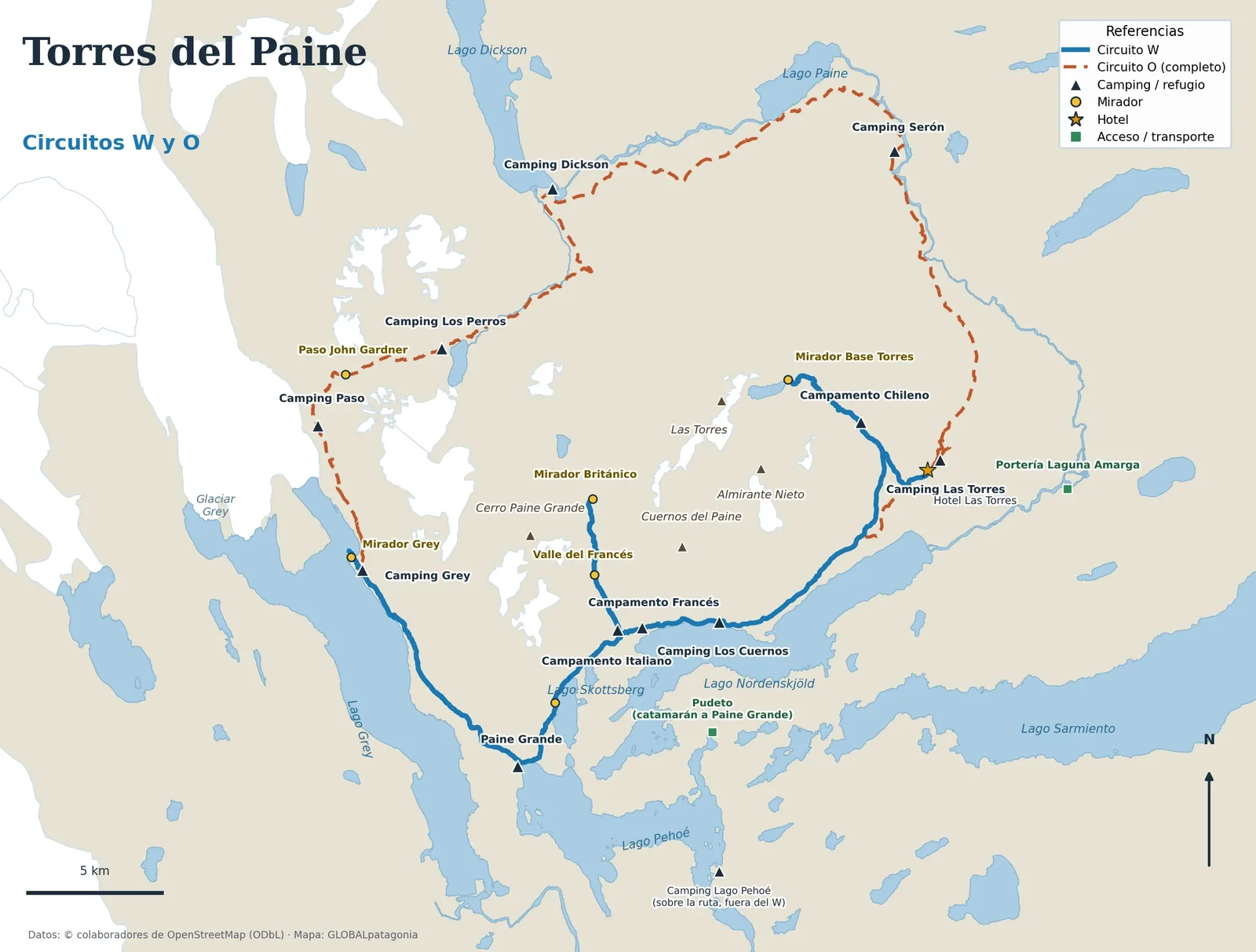
| W Circuit | 4 to 5 days | The classic: Grey Glacier, French Valley and the Towers | Refuges or campsites, booked in advance |
| O Circuit | 7 to 9 days | The full trek around the massif, including John Gardner Pass | Refuges or campsites, booked in advance |
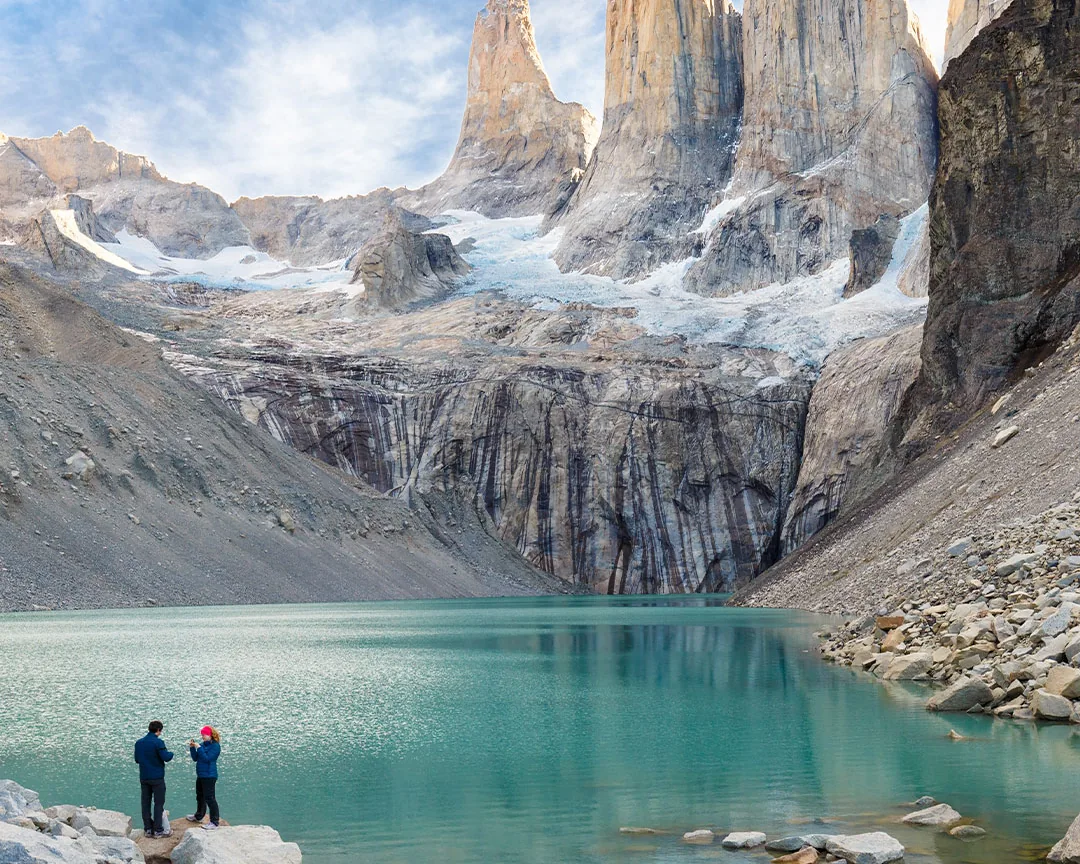
The park's postcard. You reach it from Hotel Las Torres on a trail of about 20 km round trip, which takes 8 to 10 hours. The last stretch, a climb over moraine, is the toughest. At the top, the three granite towers rise above a turquoise lagoon. To see the reddish sunrise you need to sleep at the campsite closest to the base and climb before dawn.
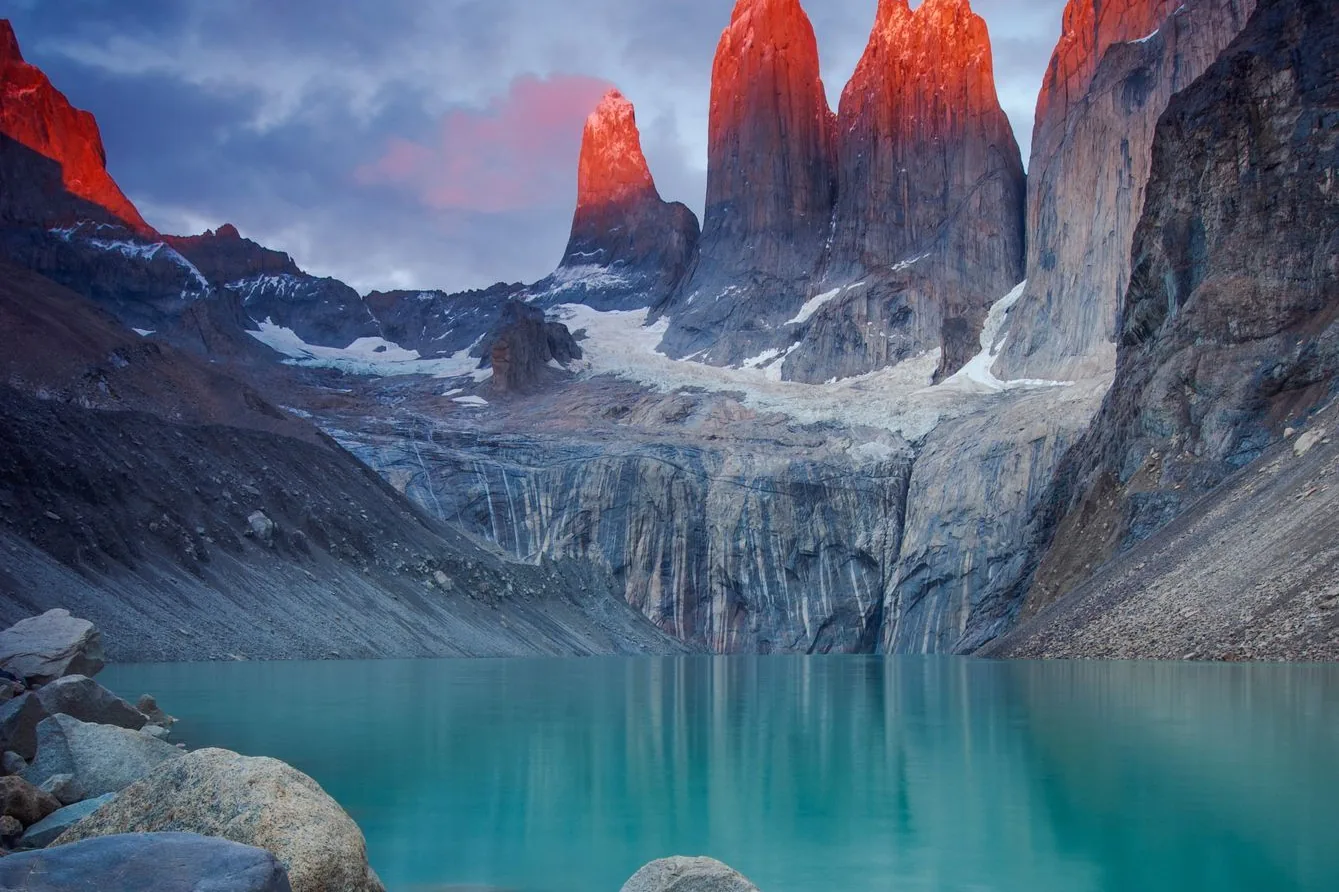
The most famous trek, shaped like a W: Grey Glacier, French Valley with the British viewpoint, and the Base of the Towers. It takes 4 or 5 days, with refuges or campsites along the way. Many start at Paine Grande, reached by catamaran from Pudeto, and finish at the Base of the Towers; it can also be done in reverse.
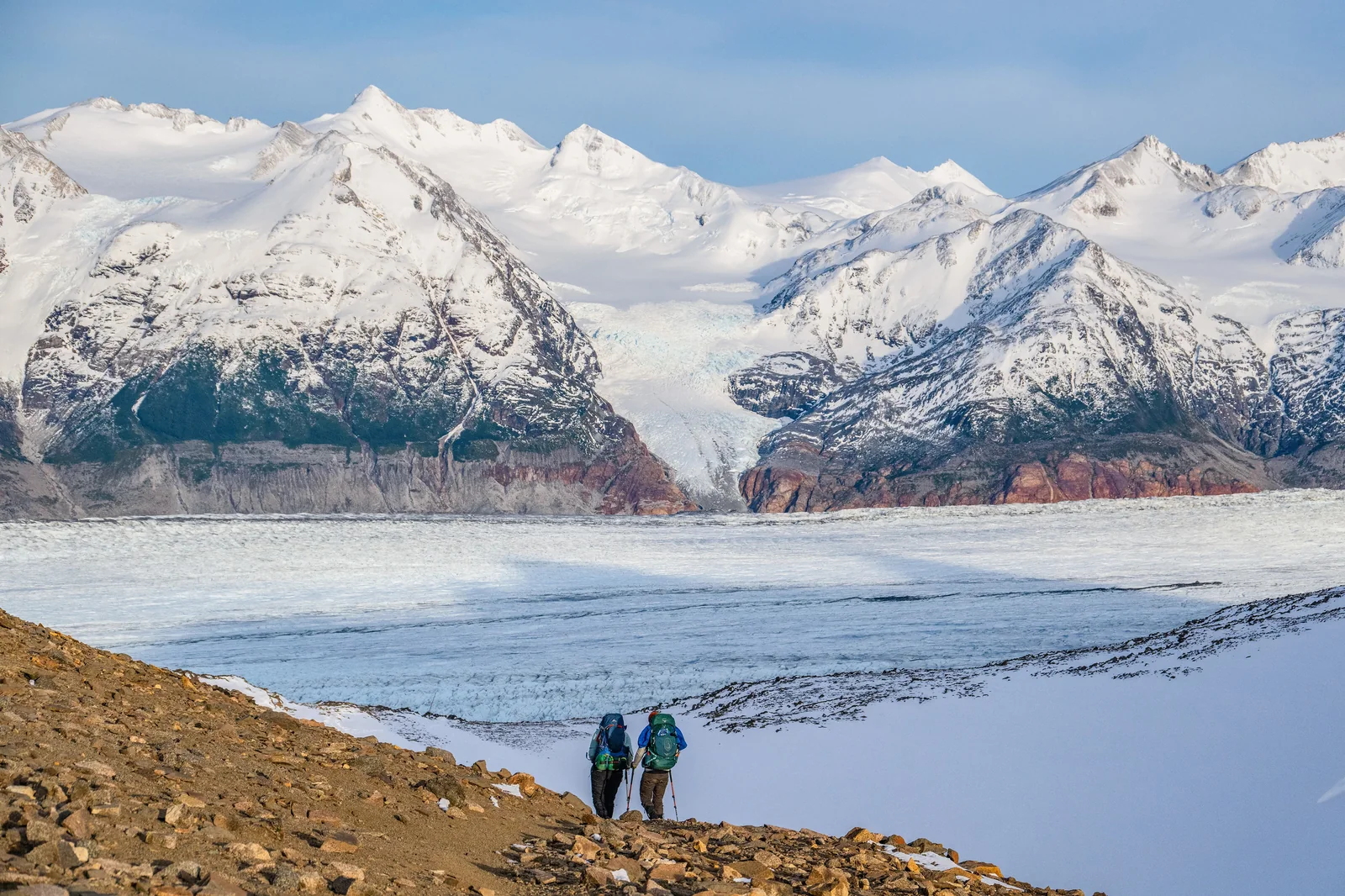
The full circuit around the Paine massif: it adds the northern leg to the W and crosses John Gardner Pass (over 1,200 m), with views of the Southern Patagonian Ice Field. It takes 7 to 9 days on much quieter trails. Like the W, it requires booking accommodation in advance.
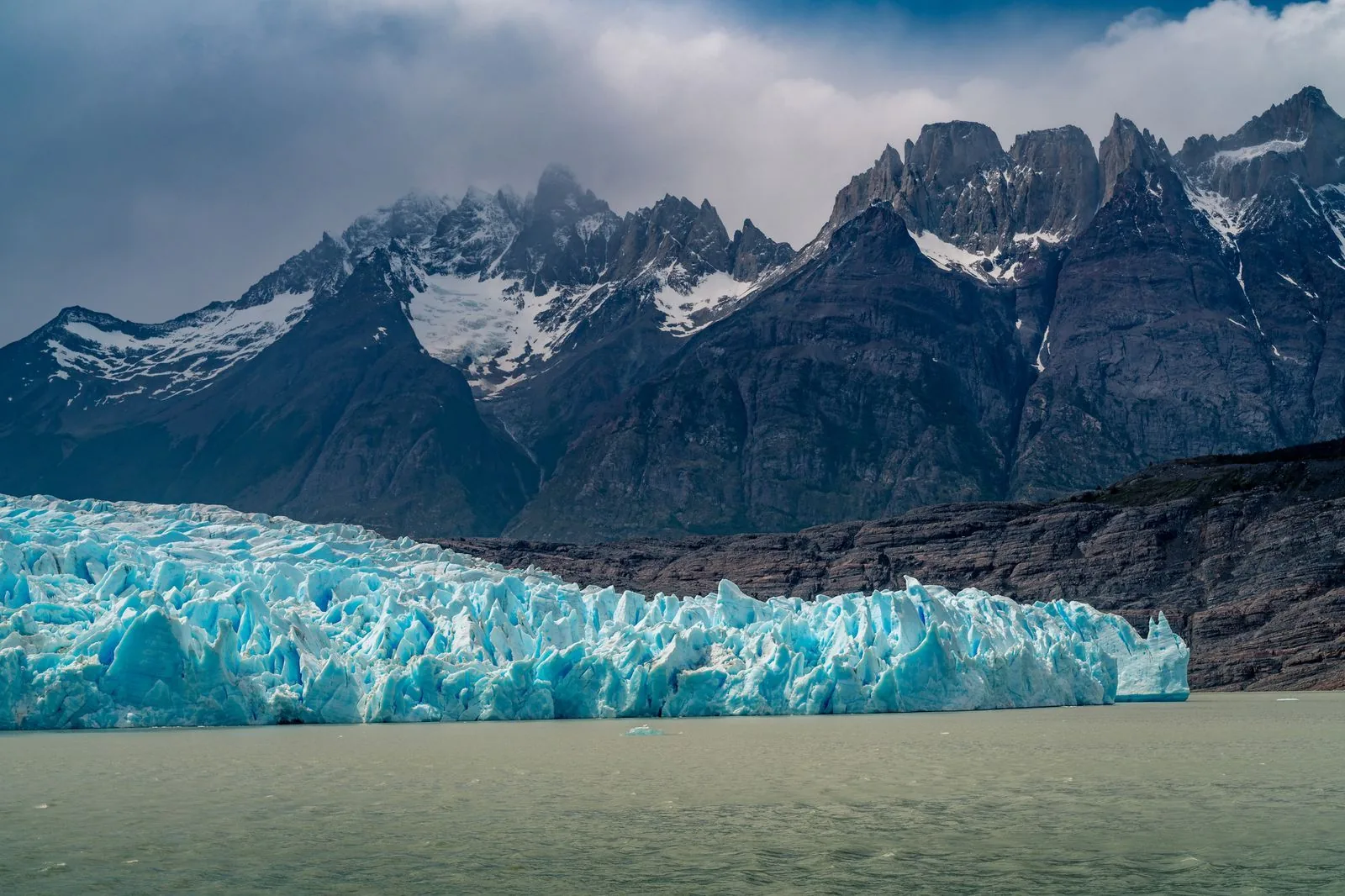
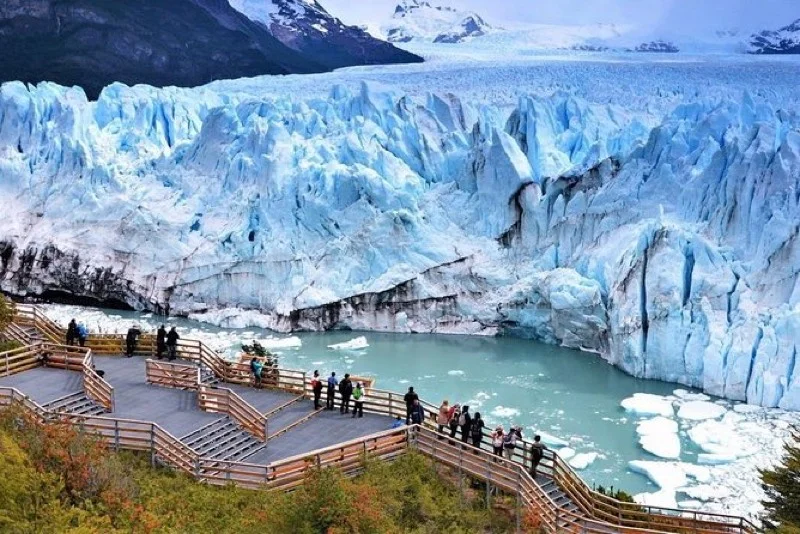
A blue ice front more than 6 km wide on Lake Grey, part of the Southern Patagonian Ice Field. You can see it from the trail viewpoints (about 3 to 4 hours from Paine Grande) or by boat up to the glacier front. It is the western end of the W Circuit.
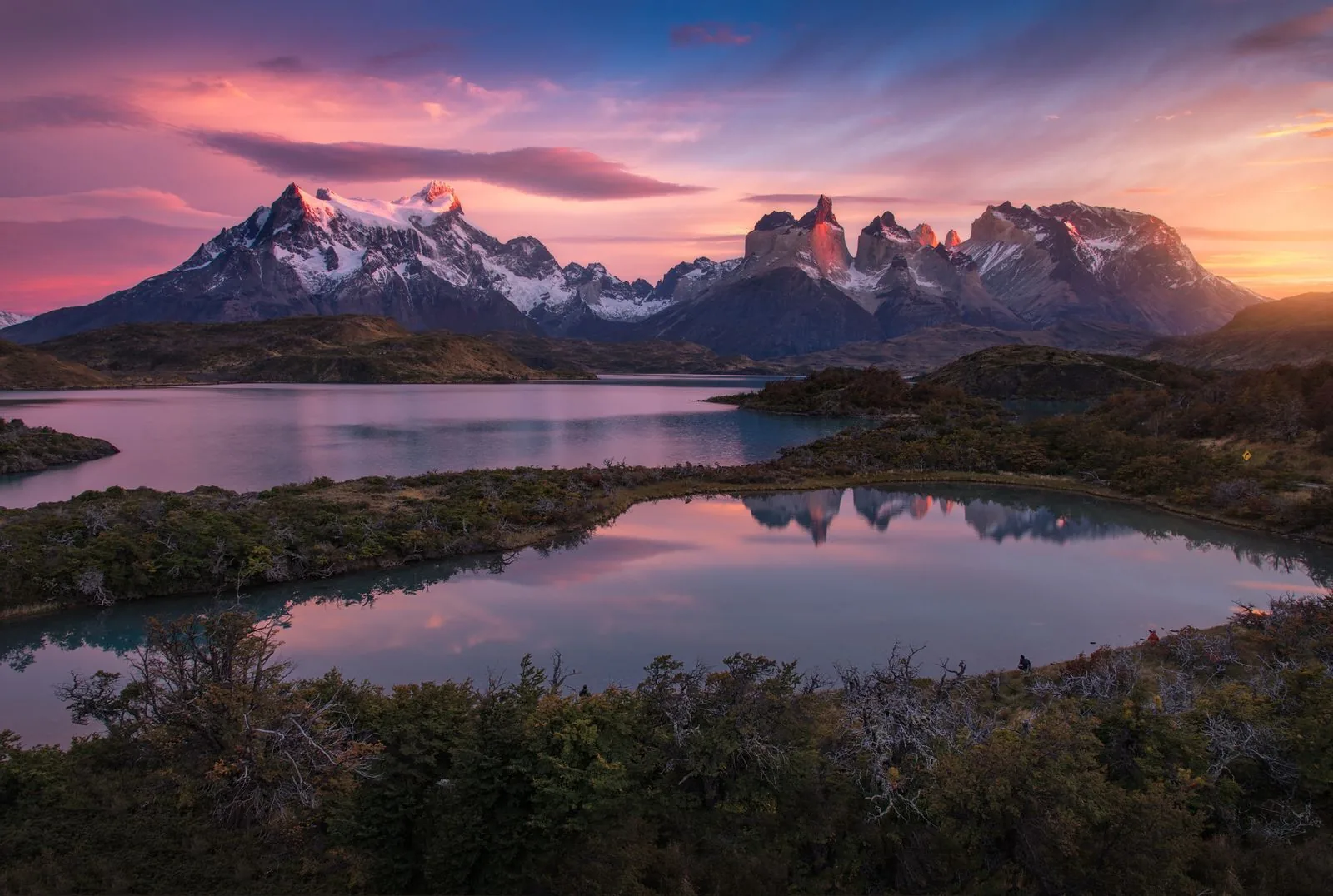
For those not hiking for several days: from the main road you reach the viewpoints over Lake Pehoé and Salto Grande, with the Cuernos del Paine in the background. It is the park's classic photo and can be done on a day trip by car from Puerto Natales.
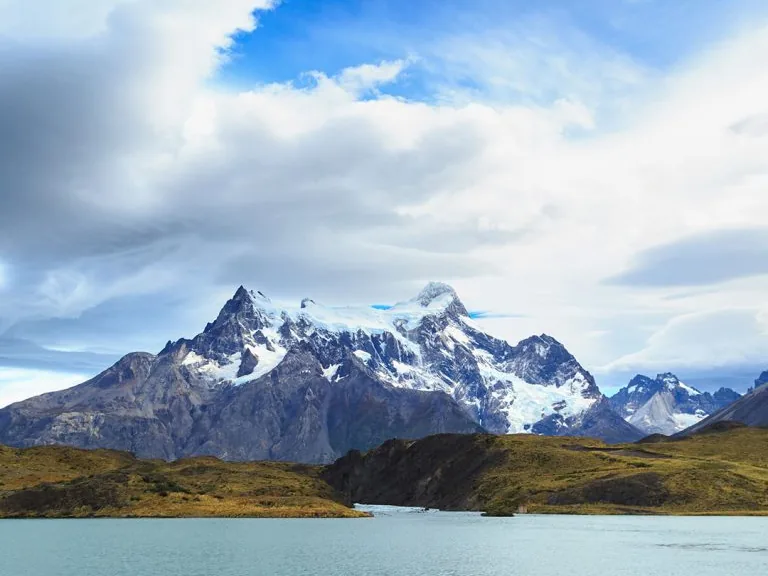
Between the French Valley and the Towers, the W Circuit skirts Lake Nordenskjöld, with the Cuernos del Paine as a backdrop. The Los Cuernos and Francés campsites are along this stretch.
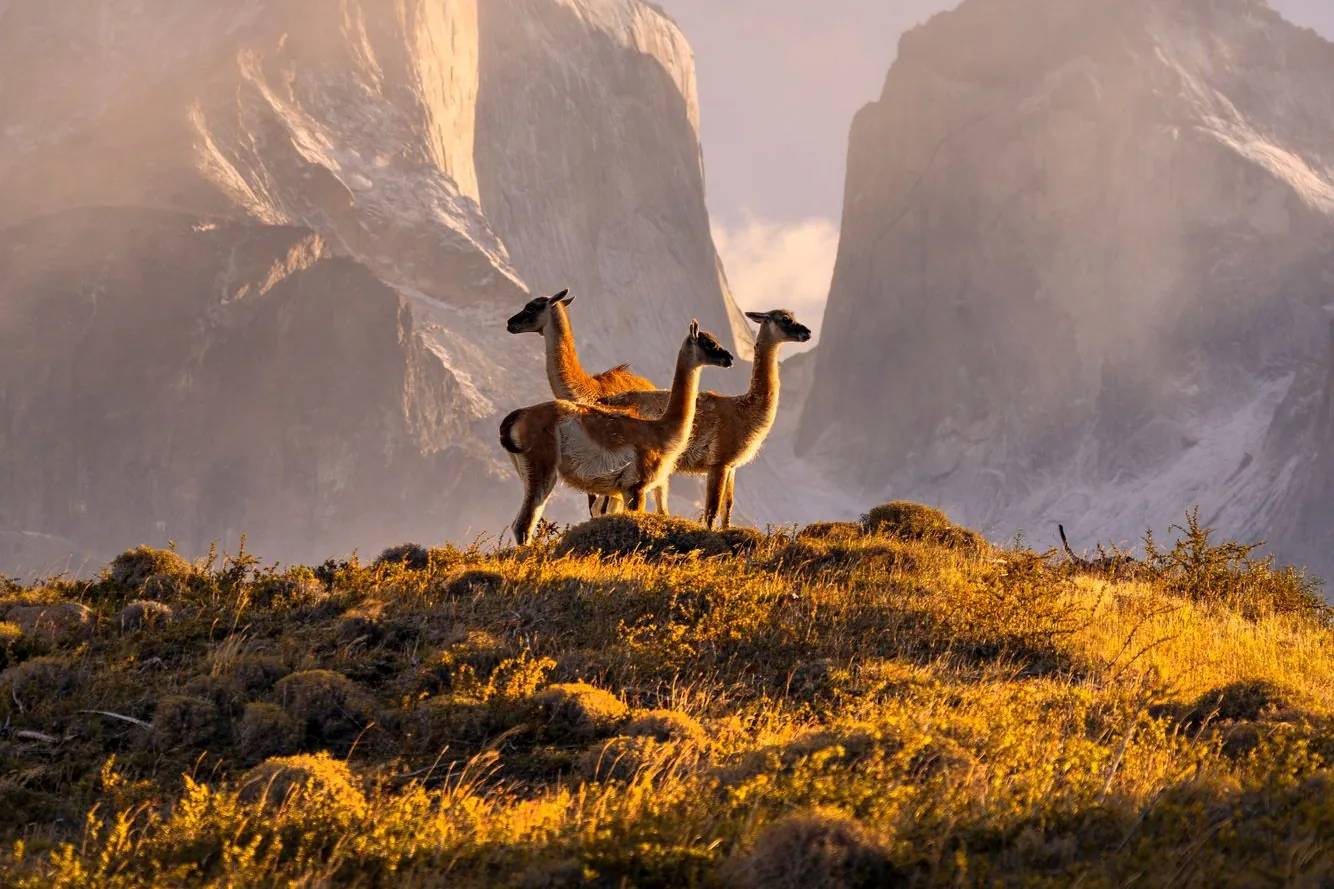
The park is one of the best places in the world to see Patagonian wildlife with no fences: herds of guanacos on the steppe, condors above the cliffs, rheas and, with luck, pumas, especially around Lake Sarmiento and Laguna Amarga. Always keep your distance.
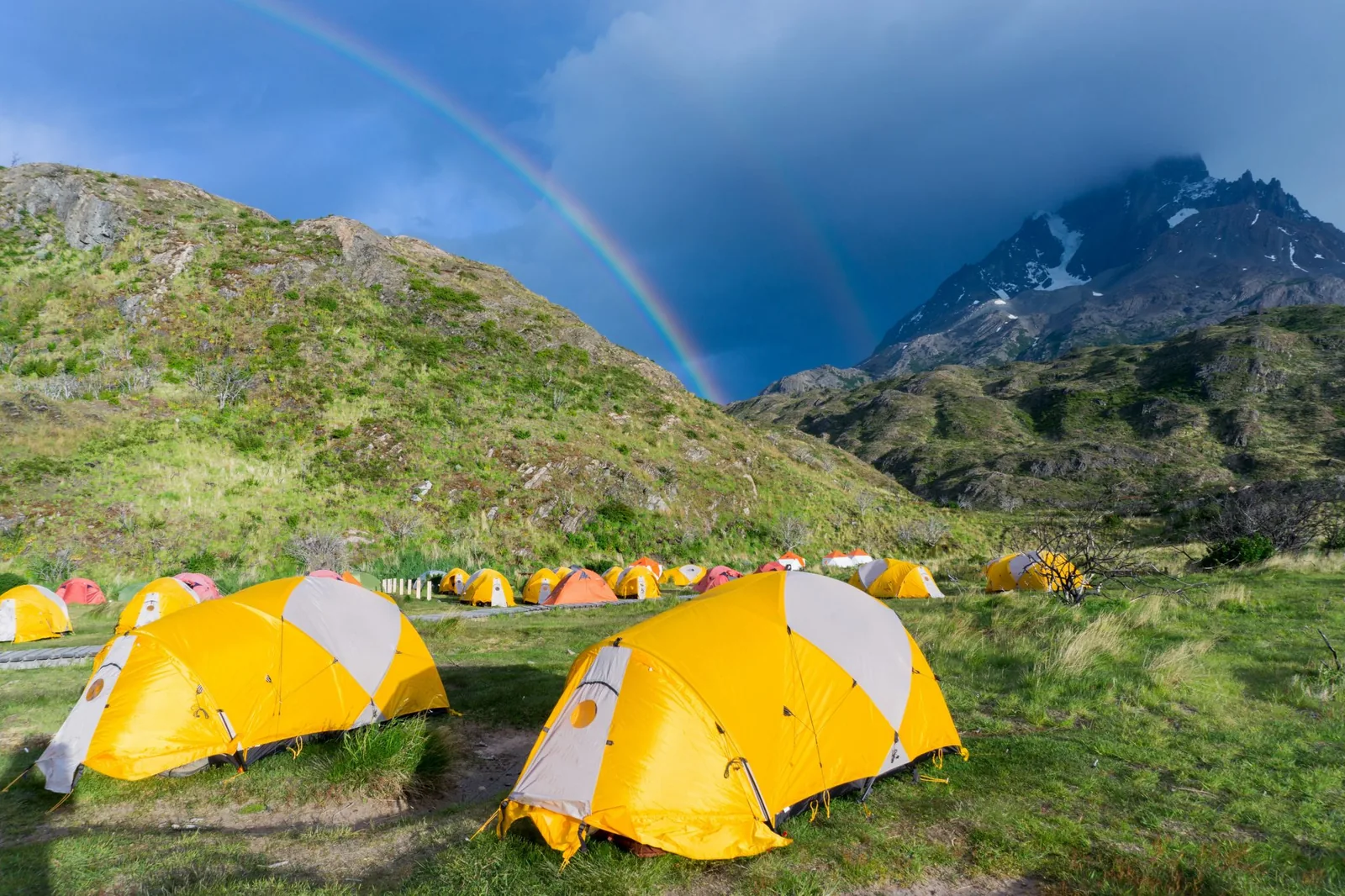
They are run by private concessionaires and CONAF. To hike the W or the O, booking accommodation in advance is mandatory: without it you cannot enter the mountain area.
The starting point of the W and the arrival point of the catamaran. Beds, meals and camping.
The hotel closest to the classic trail. It reopened for the season on October 1, 2026.
Options with beds for those who prefer sleeping indoors without doing the circuits.
The most practical base: hostels, hotels, restaurants and gear shops. Daily buses to the park leave from here, and day trips are organized.
The Torres del Paine hikes are demanding: many hours a day carrying a backpack, steep sections, rocky and muddy ground, strong wind and fast-changing weather. Medical services are far away, and a health problem in the middle of a circuit can become serious.
This guide is informational and does not replace the opinion of a doctor or a professional guide. Everyone must assess their own condition and that of those traveling with them.