Sur Global, principio de todo.

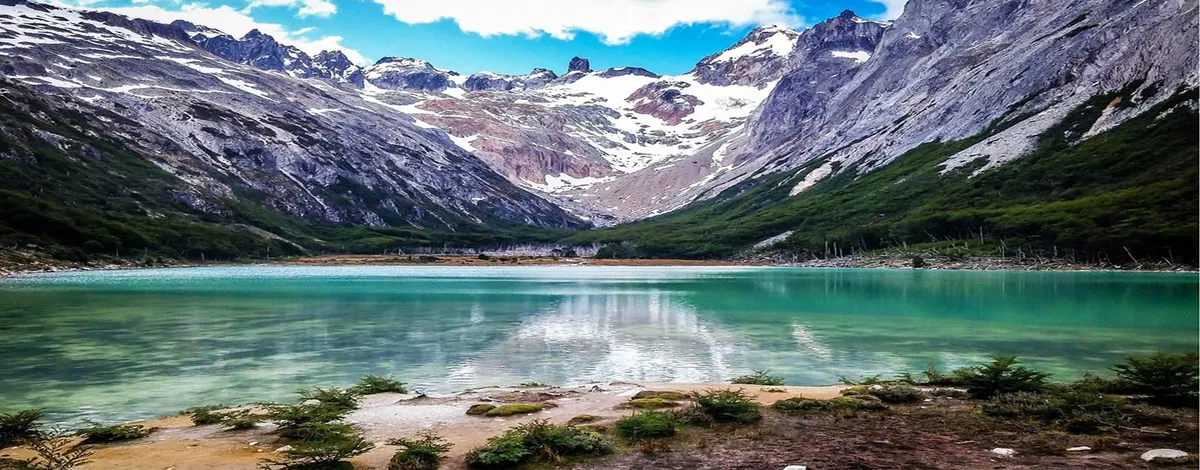
On the shores of the Beagle Channel, surrounded by mountains that plunge into the sea and lenga beech forests that change color with every season, Ushuaia is Patagonia's most extreme and most magnetic destination. Capital of Tierra del Fuego, departure port for Antarctica, and a city that defies logic: at the end of the world, life beats with greater intensity.
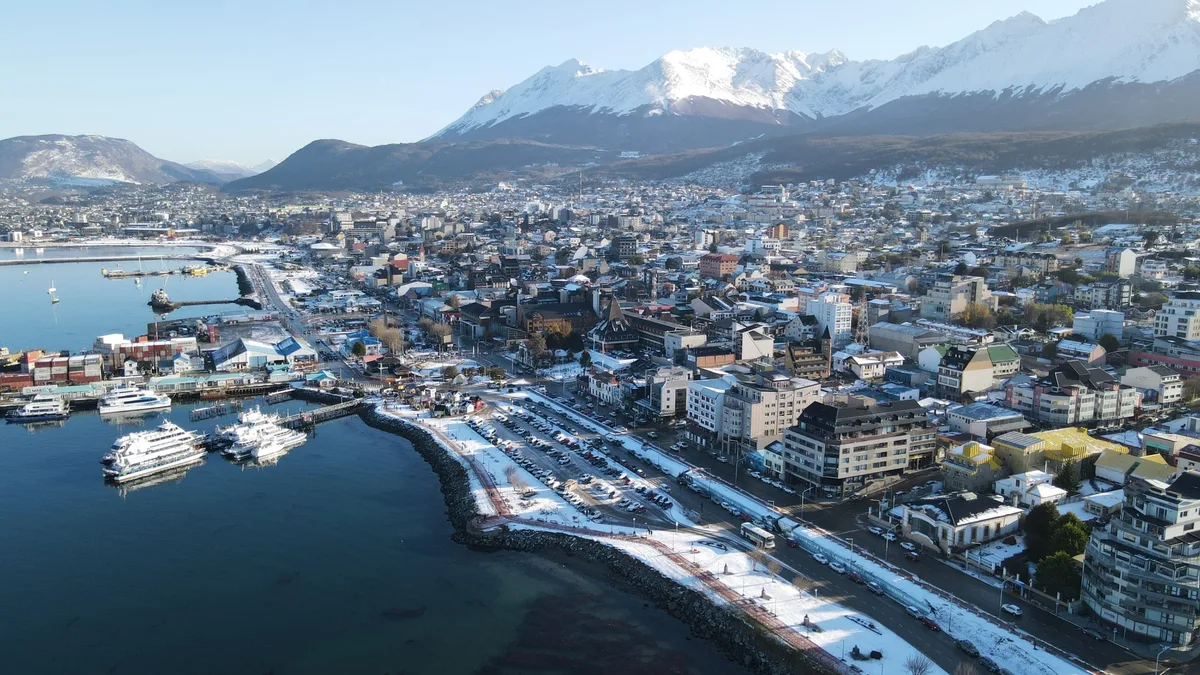
Ushuaia from the air: the city, the port and the Beagle Channel surrounded by mountains.
The Yaghan people lived on these shores for more than 7,000 years. A people of the sea and channels, they hunted sea lions and gathered shellfish, navigating bark canoes through icy waters. They wore no clothing — they covered their bodies with sea lion fat and lit fires inside the canoes. When Charles Darwin observed them in 1833 during the voyage of HMS Beagle, he described them as the most 'miserable' beings he had ever seen. He was profoundly wrong: their adaptation to the environment was extraordinary, and the Yaghan language was — and is — one of the most complex ever recorded.
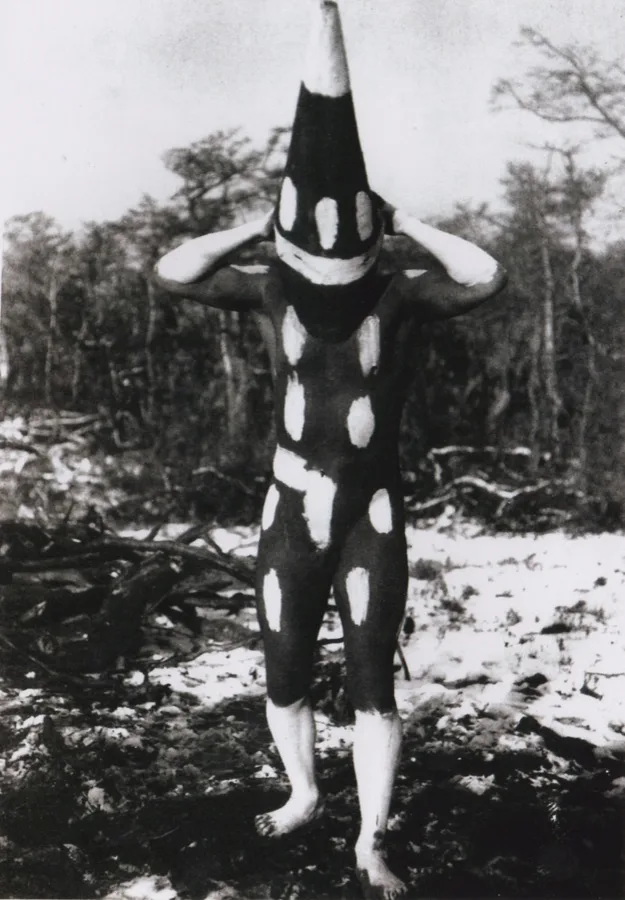
The Selknam inhabited the island's interior — guanaco hunters who roamed the Fuegian forests and steppe with bows and lances. Their Hain (Kloketen) ceremony is one of the most documented and enigmatic in South America: figures painted black with white spots and conical masks embody spirits that, according to tradition, dominated the women of the community. Austrian ethnographer Martin Gusinde, who lived among the Selknam in the 1920s and photographed the ceremony, later revealed that the 'spirits' were disguised men — the Hain was an elaborate theatrical performance to maintain social order. Gusinde was also the last outside witness to a culture on the verge of extinction: colonization and the hunting of indigenous people promoted by ranchers had decimated the Selknam within decades.
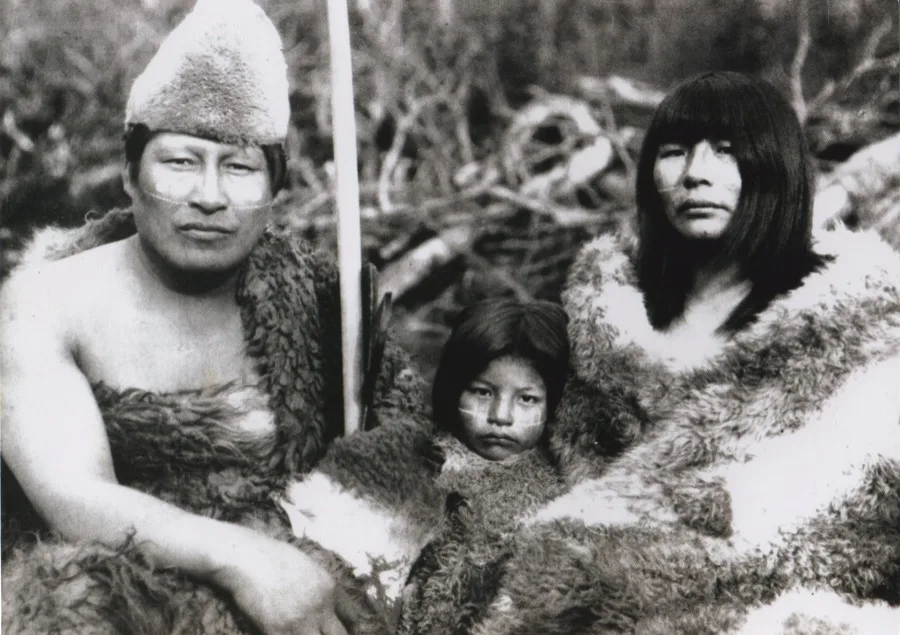
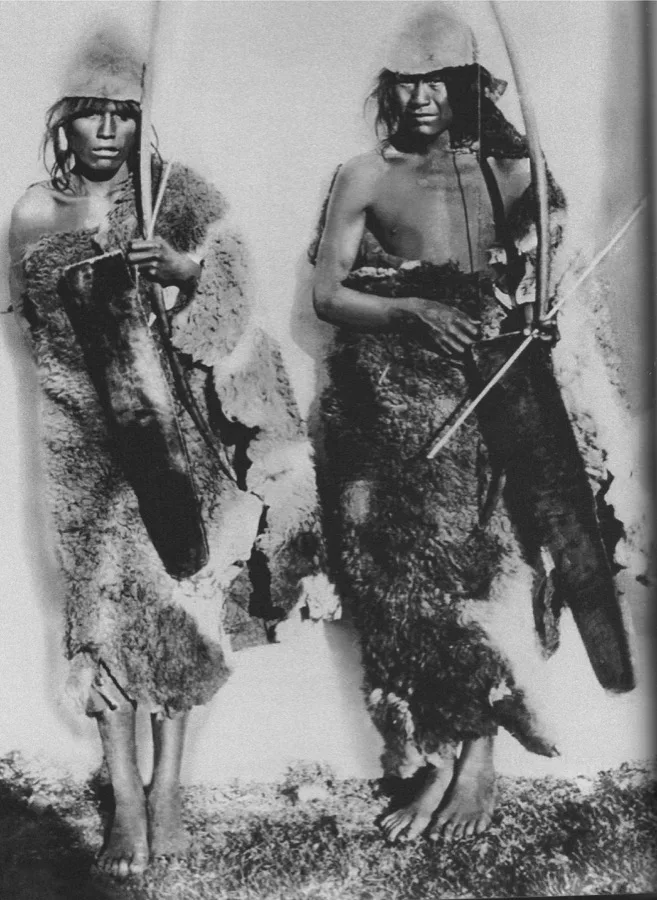
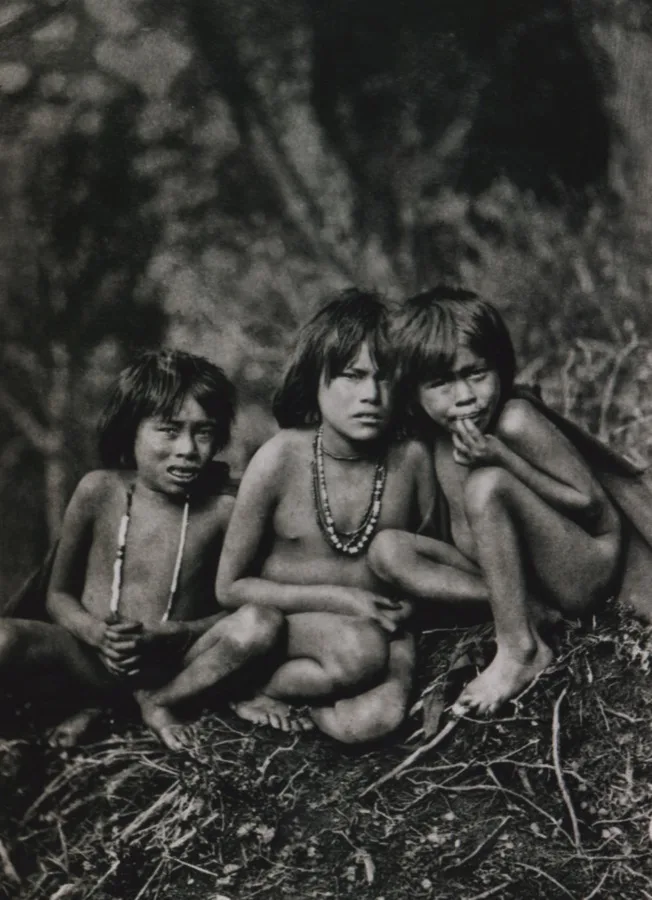
Captain FitzRoy, commander of the Beagle, had taken three young Yaghans to England on the previous voyage: York Minster, Fuegia Basket and Jemmy Button. He presented them to King George IV, taught them to dress and speak English, and returned them to the Beagle Channel with the aim of 'civilizing' them. The experiment failed within weeks. Darwin never forgot the experience — it directly influenced his thinking on evolution and the unity of the human species. The last native speaker of Yaghan, Cristina Calderón, died in February 2022 in Puerto Williams, Chile, on the other side of the Beagle Channel.
The prison that built a city. In 1884, Commodore Augusto Lasserre officially founded Ushuaia. Decades later, between 1902 and 1920, the Argentine state built the prison that would define the town's destiny: the prisoners themselves felled the forests, built the railway and virtually all the city's infrastructure. The prison housed the country's most dangerous criminals. Among its most famous inmates: Simón Radowitzky, the anarchist who in 1909 assassinated Buenos Aires' Chief of Police — who had massacred workers during a protest — and served 21 years here before being released under popular pressure; and Cayetano Santos Godino, 'El Petiso Orejudo', one of Argentina's first documented serial killers, who died in Ushuaia in 1944 without ever being released. The prison closed in 1947. Many former inmates and guards stayed on to live — the city that exists today was built, in large part, by them.
The sun sets at 11 pm. Trekking, sailing and penguin watching at Isla Martillo. High season: book accommodation months in advance.
Cerro Castor covered in white. The city transforms: fewer tourists, lower prices and a completely different landscape. For those seeking silence and mountain.
The Antarctic cruise season starts in October. The port fills with expedition ships. Autumn colours in the lenga forests and fewer crowds.
Direct flights from Buenos Aires (3 hrs), Bariloche and El Calafate. Malvinas Argentinas airport is 4 km from the centre — taxi or remis only, no public bus.
From Punta Arenas crossing into Chile: 6 to 8 hours depending on border crossings. Stunning scenery. Convenient if you're already in Chilean Patagonia.
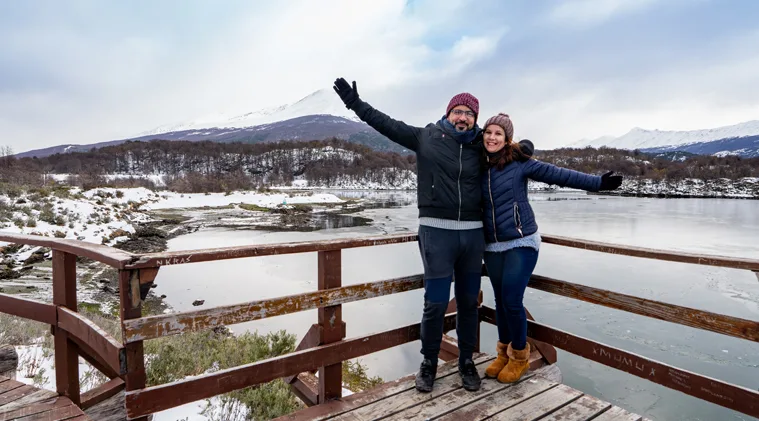
Argentina's only national park with a sea coast. Accessible on foot from the city (8 km) or by bus. Trails through lenga beech and nothofagus forests bordering glacial lakes. Bahía Lapataia, at the end of National Route 3, is literally kilometre zero of the continent: the place where Argentina ends.
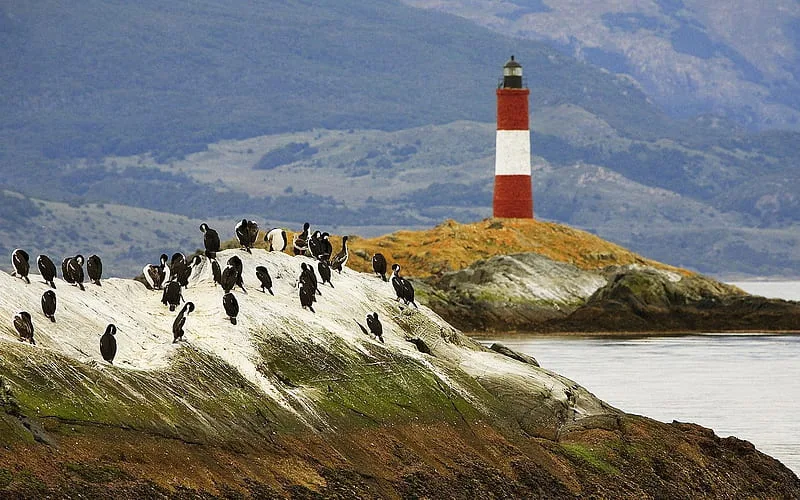
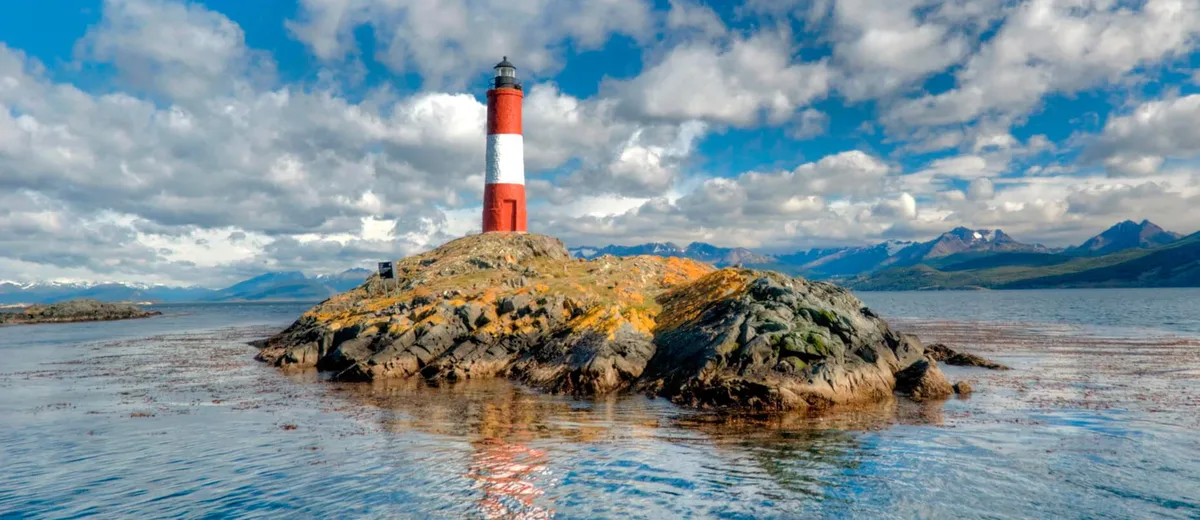
A 3 to 4-hour excursion worth the trip on its own. You'll see sea lions on the islets, imperial cormorants, Magellanic penguins and the Les Eclaireurs Lighthouse — known as the 'Lighthouse at the End of the World'. The full navigation to Estancia Harberton (including Isla Martillo's penguin colony) takes a full day but is a different experience altogether.
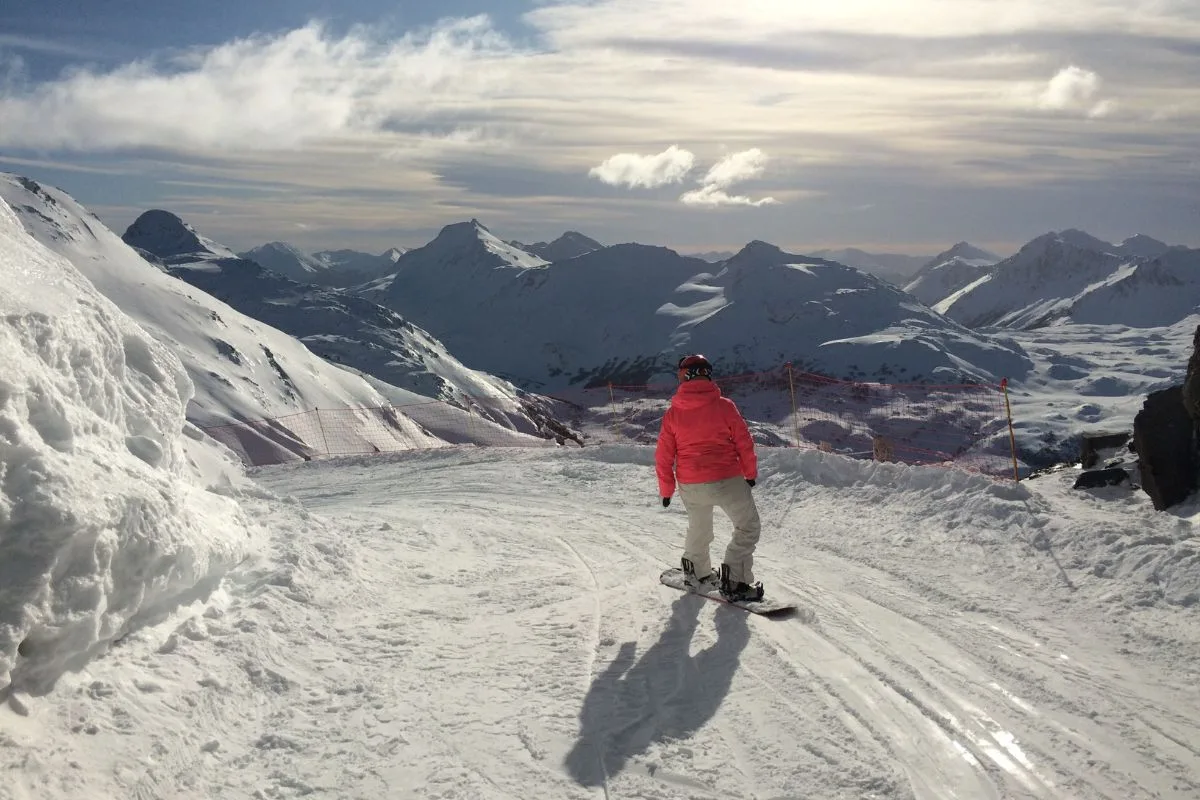
The world's southernmost ski resort. 26 km from Ushuaia, with 30 runs, chairlifts and a snowpark. Guaranteed snow from June to September. Less crowded than Bariloche, more authentic and with views of the Beagle Channel from the summits. In the off-season, the slopes are perfect for mountain biking and hiking.
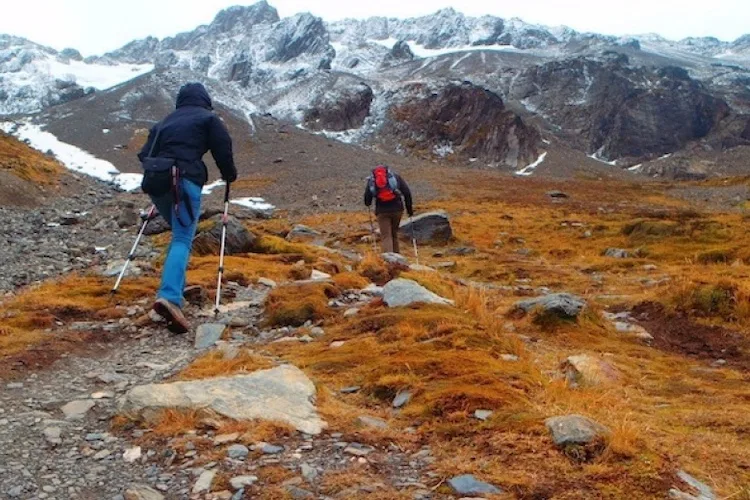
7 km from the centre along a mountain road. Optional chairlift halfway up and a 45-minute trail to the glacier. The landscape changes completely with each season: golden grasses in autumn, snow in winter, wildflowers in summer. The panoramic view of Ushuaia and the Beagle Channel from above is unique. Bring warm layers even in January.
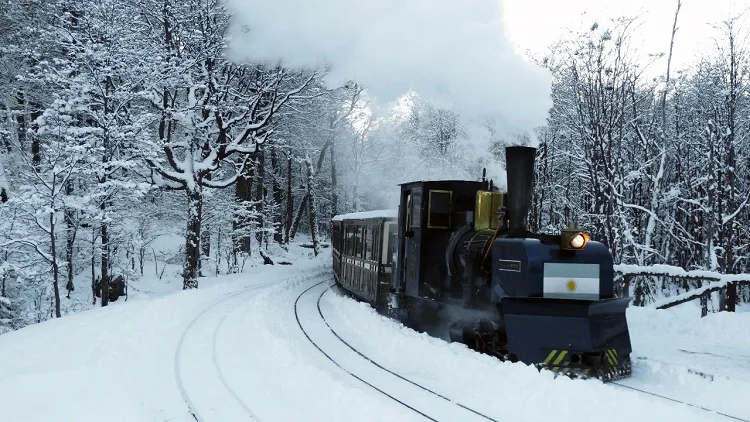
A replica of the railway used by prison inmates to haul timber from the forests. Departs from the End of the World Station at the western edge of the city and arrives at the edge of the National Park. The route includes tunnels, bridges and views of the Pipo River. Optional: combine with trekking in the park and let the train wait.
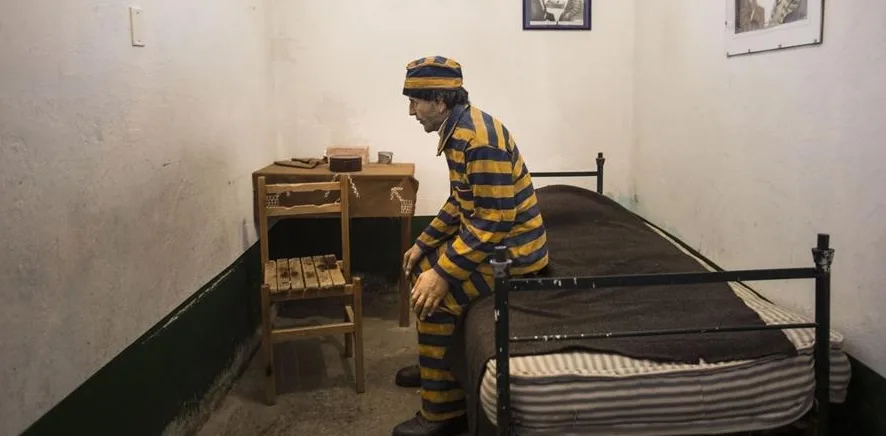
The former Ushuaia penitentiary, built by the prisoners themselves in the early 20th century, is today one of Patagonia's most fascinating museums. It documents the history of the condemned who arrived at the end of the world and ended up building the city. The radial galleries of the building, preserved intact, are as impressive as the contents. Three hours go quickly.
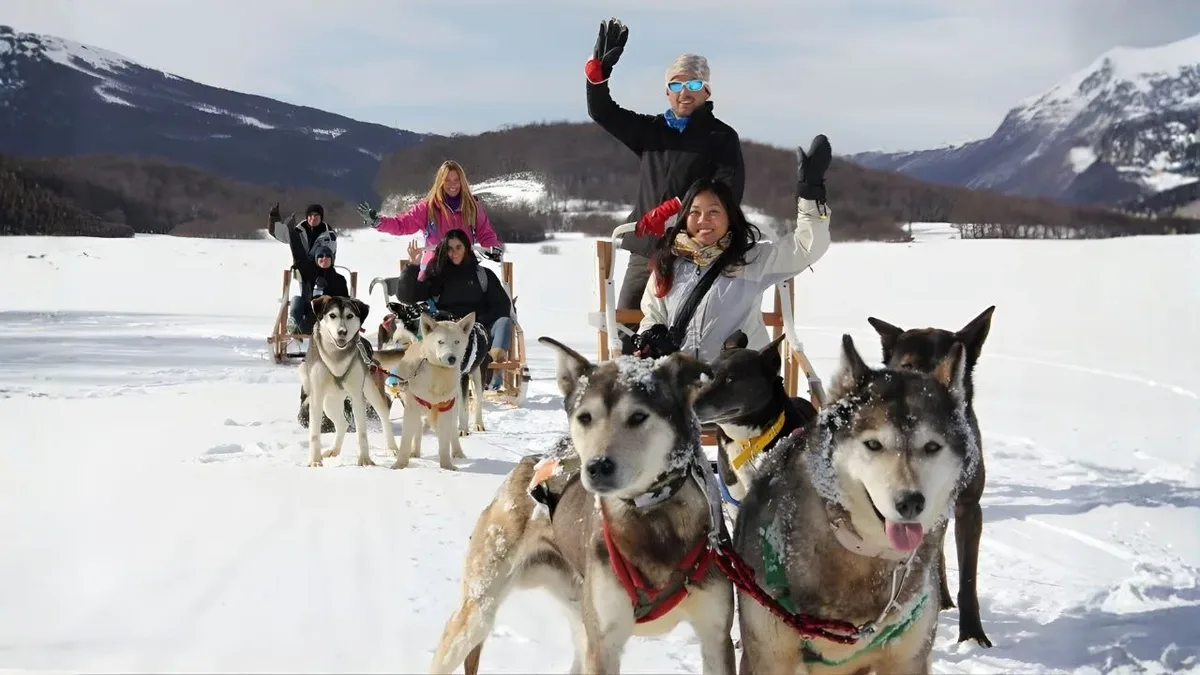
One of the most memorable activities of the Fuegian winter. Various operators offer sled excursions pulled by Siberian Huskies through the snowy forests. The basic version lasts 45 minutes; the longer one includes breakfast in a forest cabin. Available June to August only, depending on snow conditions.
The Magellanic penguin colony at Isla Martillo is active from October to March. The excursion departs from Estancia Harberton (80 km from Ushuaia on a gravel road) and includes a guided walk among the nests. Since 2020, southern rockhopper penguins also nest in the colony — a rarity that ornithologists travel from Europe to see. Bring a zoom lens.
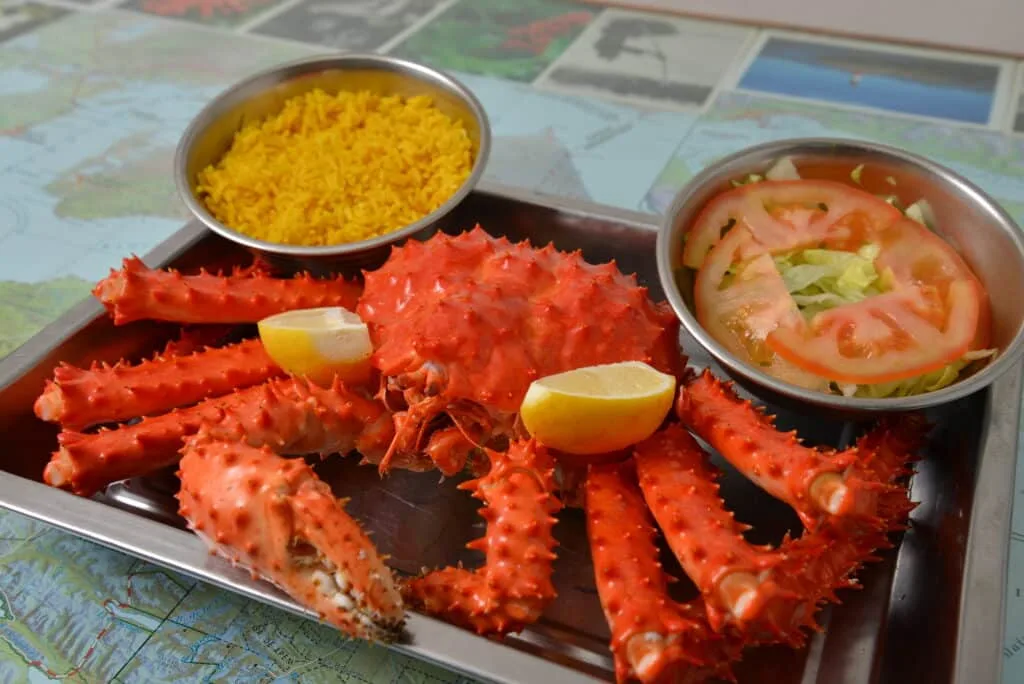
The city's most elegant restaurant. French cuisine with Patagonian produce: king crab, lamb, trout. Views of the Beagle Channel. Book ahead in high season.
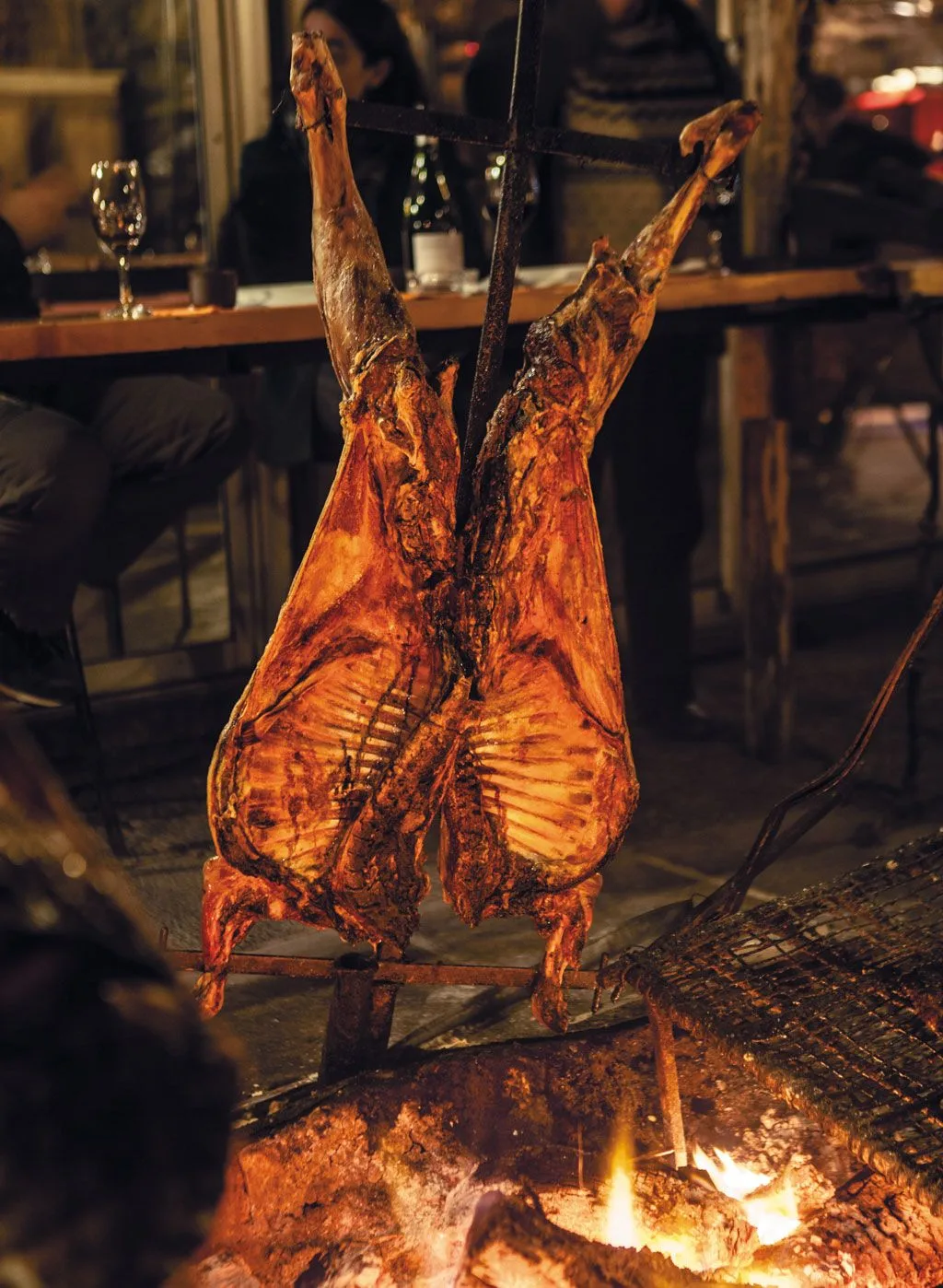
Traditional grill with lamb and beef cuts roasted over embers. Unpretentious, well-cooked and generous portions.
Home cooking at reasonable prices. Very busy with locals. Pasta, stews and daily specials. The best quality indicator in any city.
Ushuaia's legendary sandwich bar. Queue at any hour. For a quick, standing, wallet-friendly meal — a fraction of what the centre charges.
Patagonian king crab (Lithodes santolla) is Ushuaia's emblematic dish. Steamed legs, gratin, in empanadas or bisque. Expensive but unmissable — order it in high season (Nov–Mar) when it's at its best. Look for the Tierra del Fuego origin seal.