How Britain and the Falkland Islanders Reacted to the Malvinas (Falklands) Banner
The islands' lawmakers wrote to FIFA. The British government answered back. A minister spoke on the BBC. And a veteran of the 1982 war called for sanctions. We go through it — names and direct quotes — to see how Britain lived through the banner Argentina's players raised in Atlanta.
 J. Martineau
🇦🇷 Malvinas
J. Martineau
🇦🇷 Malvinas
Malvinas — GLOBALpatagonia Report
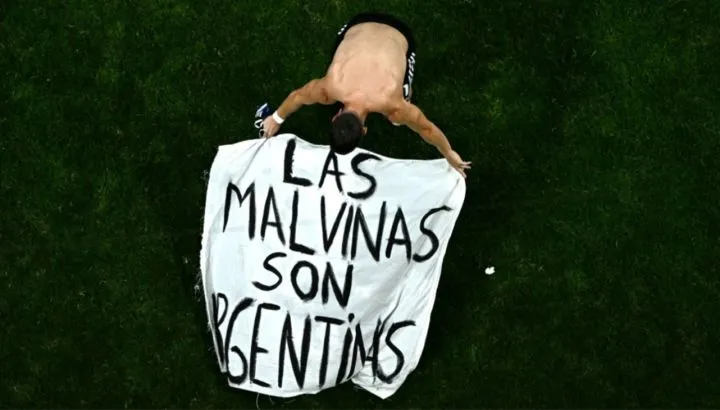
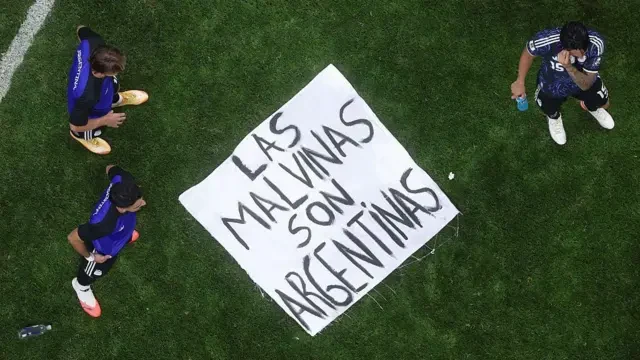
The banner reading “Las Malvinas son argentinas” (“The Malvinas are Argentine”) that Argentina's players unfurled in Atlanta on July 15, after beating England 2-1 in the World Cup semifinal, did not fade with the final whistle. Weeks later, while FIFA still deliberates what to do, a letter that a group of Malvinas (Falklands) lawmakers sent to the governing body is proof that on the islands — and in Britain — the gesture still stings.
The islanders' letter to FIFA
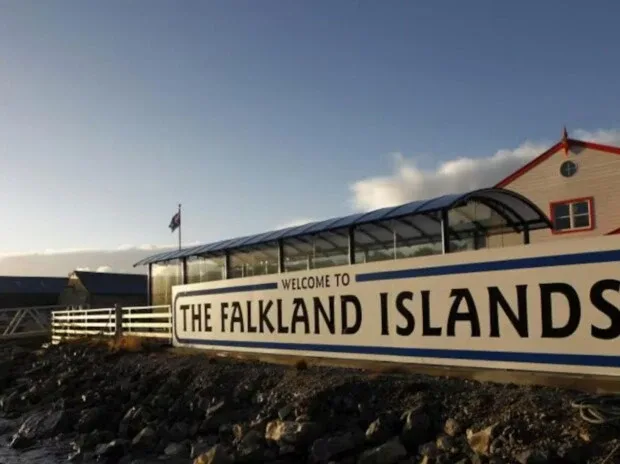
The islands' weekly newspaper, Penguin News, revealed that members of the Falkland Islands Legislative Assembly (MLA) wrote an open letter to FIFA calling for disciplinary action against the Argentine players. They called it “insensitive” and argued:
“It is the avowed policy of the Falkland Islands Government that we do not wish to see politics being brought into sport”
The lawmakers' argument invokes self-determination once again: the will of the island population to remain a British Overseas Territory. It is the same argument repeated since the 2013 referendum, when 99.8% of voters — fewer than 1,400 people — chose to keep the link with the Crown.
The British government responds
The claim did not stay on the islands. The spokesperson for British Prime Minister Keir Starmer took a public stand:
“The World Cup might not be ours, but the Falkland Islands definitely are”
And added the usual formula: “Self-determination rests with the islanders and our commitment to the Falklands will never waver.”
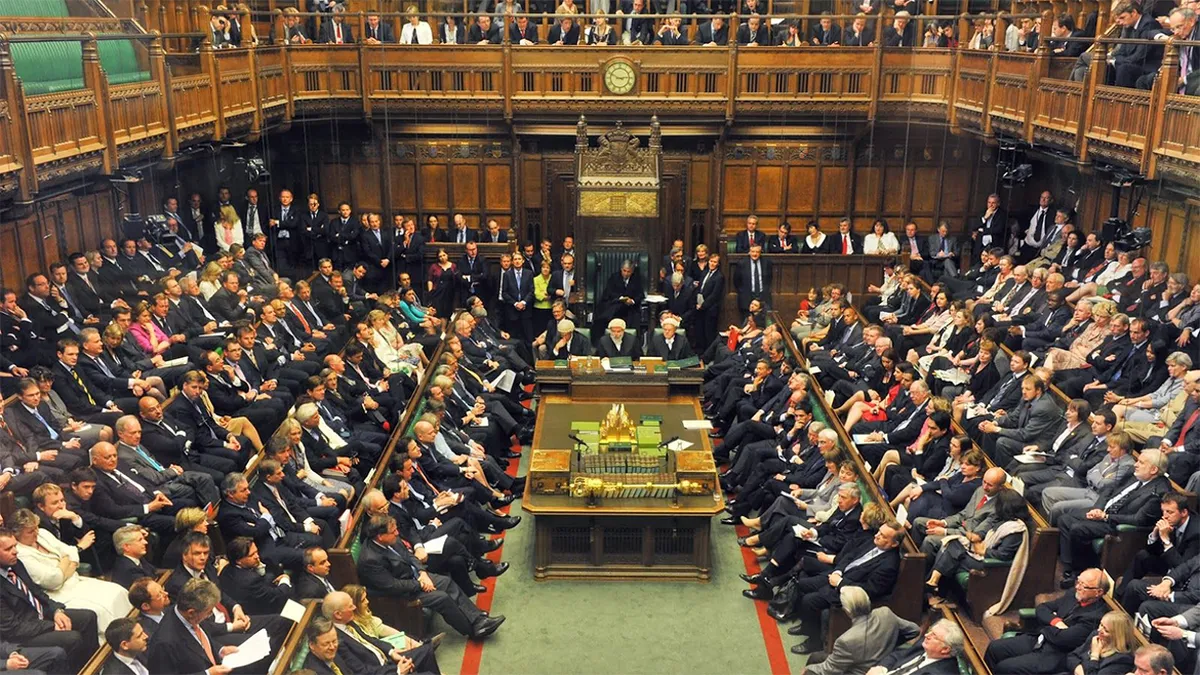
Hours later, Business Secretary Peter Kyle went further in an interview with BBC Breakfast. He called the players' conduct “entirely inappropriate” and urged FIFA to “thoroughly” investigate what he described as an “egregious violation” of the tournament's rules.
The veteran who demanded a tough response
Among the voices that echoed loudest in the British press was that of Simon Weston, a veteran of the 1982 Falklands War and a survivor of the attack on the Sir Galahad. Weston demanded FIFA take action:
“FIFA have to do something. We can't wear a poppy on our international jerseys because they say that's a political symbol”
And he added that the players “just have to be more respectful and obey the rules. Obey the rules for no politics brought into sport.”
Weston's comparison — the poppy that in the United Kingdom commemorates the war dead, and which FIFA itself has restricted at international matches for being a political symbol — was picked up by much of the British sports press as the most-quoted argument against the Argentine banner.
What the papers couldn't avoid writing
That is the paradox that stings London the most: to explain why they were angry, much of the British media had to do what it has spent decades avoiding — telling its own audience what Malvinas is, why Argentina claims it, and what happened in 1982. The Daily Mail confirmed that FIFA, under president Gianni Infantino, would wait until the end of the tournament to resolve any punishment, keeping the case hanging over the team even as it played the final. Sky Sports reported that FIFA's disciplinary file was not limited to the banner: it also covered discriminatory chants, security and protocol failures, and objects thrown onto the pitch at several matches. And Yahoo News UK reproduced the British government's response word for word.
None of those articles could write about the banner without writing, even if only in one line, the word “Malvinas” — or “Falklands”, on the British side — followed by an explanation of a 74-day war: 255 British soldiers, 649 Argentines and three islanders killed in 1982. That is exactly the visibility that traditional diplomacy cannot achieve.
The counterpoint nobody expected: Washington
While London called for sanctions, the White House did the opposite. Donald Trump's liaison for the World Cup came out in support of the Argentine players' right to express themselves, invoking freedom of expression, and rejected British calls for punishment. It was not a small detail for the British press, used to counting on Washington as an automatic ally in any dispute with Buenos Aires.
Milei, on the other side of the counter
From Argentina, President Javier Milei described the players' celebration as “perfectly valid”, saying the message “reflects a sentiment shared by all Argentinians.” Still, he predicted FIFA would end up fining the team: “the players get carried away by their emotions, they act on impulse, and that will likely lead to discussions about a fine.”
FIFA, still without a ruling
Nearly a month after the incident, and weeks after the final — which Argentina lost 1-0 to Spain at MetLife Stadium — FIFA has not resolved the case. The disciplinary committee opened a file over several alleged breaches, including the banner, and gave the parties a chance to state their position before ruling. The most-cited precedent is 2014, when FIFA fined the Argentine Football Association £20,000 for an identical banner. Everything points, once again, to a fine rather than a sporting sanction.
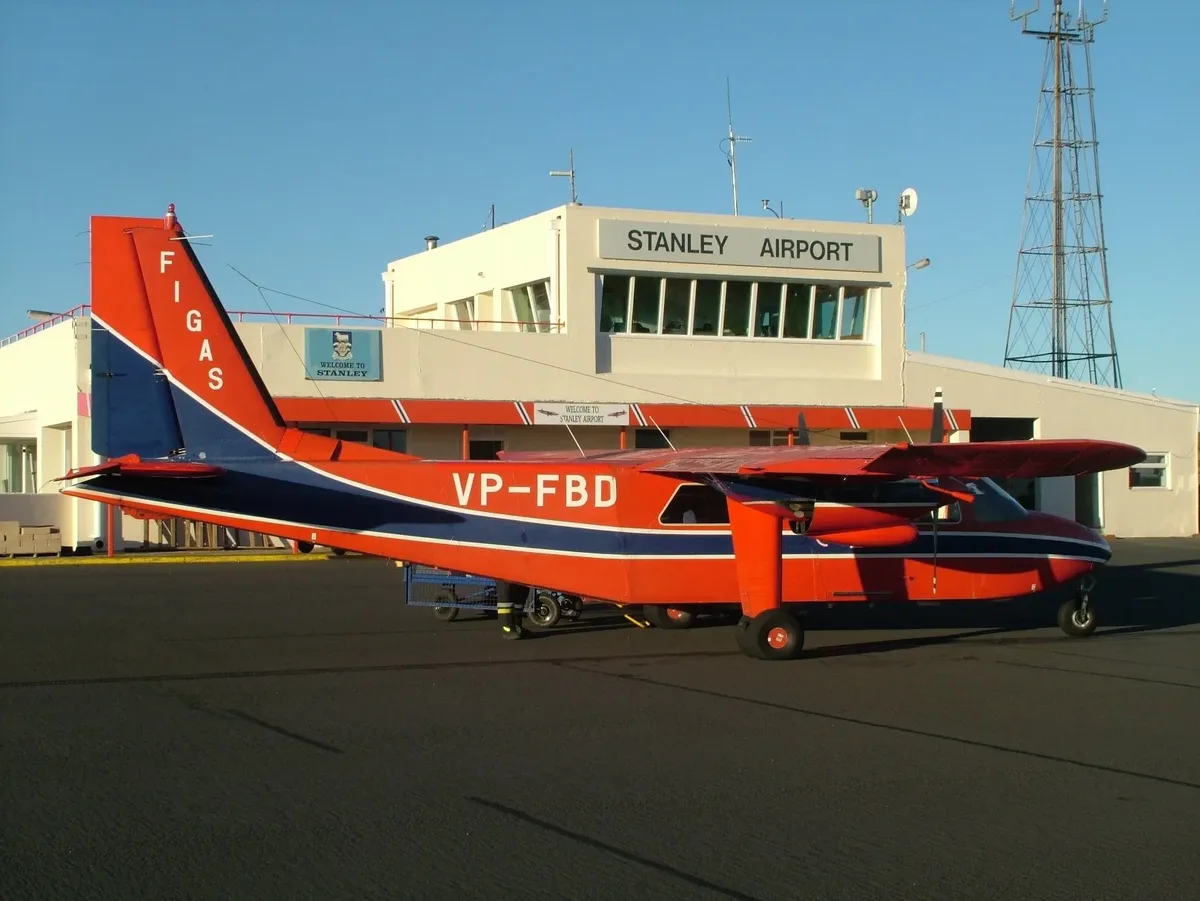
For those of us watching from Patagonia — the gateway to the South Atlantic, the region that sees islanders pass through on the monthly flight from Río Gallegos to Malvinas — there is a reading that survives whatever fine FIFA ends up setting. For weeks, a prime minister, a cabinet secretary, a war veteran and the entire British press had to say out loud, and explain, the word London prefers to keep off the agenda. The islands' lawmakers wrote to FIFA to ask that the Argentine players be punished. But, without meaning to, that letter confirmed what was already obvious on every front page: the banner did its job.