The world's largest blue whale sanctuary is in Chiloé — and a drone is documenting it for the first time
The Centro de Conservación Cetacea is in its twenty-third season in northwest Chiloé with an unprecedented innovation: high-resolution drones to measure the health of each blue whale without disturbing them.
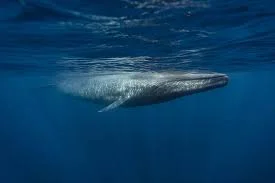
The northwest of Isla Grande de Chiloé is, during the summer months, witness to one of the most impressive natural spectacles on the planet: the return of the blue whales. This summer of 2026, the Centro de Conservación Cetacea (CCC) has deployed its twenty-third field season of the Alfaguara Project, with an innovation that promises to revolutionize the way these ocean giants are studied and protected.
A season with high ambitions: drones to monitor whale healthWith the arrival of February, the CCC team launched its annual campaign in the feeding area of the Chilean blue whale (Balaenoptera musculus), located in the northwest of Chiloé. This year, the 2026 season features an unprecedented aerial component. In collaboration with Dr. Fredrik Christiansen from Aarhus University in Denmark and researcher Oliver Havmand Nowak, the project has integrated a pioneering methodology: the use of drones to obtain high-resolution aerial images.
"This year we integrated a pioneering methodology: the use of drones to obtain aerial images that allow us to measure the physical condition of each whale, without disturbing them," the organization explained. These images, captured with equipment supported by the Pacific Whale Foundation, will be key to assessing the health and nutritional status of each individual — fundamental data for designing more effective conservation measures.
"These images will provide us with key data on their health and nutrition, fundamental information for proposing more effective conservation measures in Chile and in international waters," the organization added.
Chiloé: the great feeding refuge of the Chilean blue whaleThe CCC's work in Chiloé is not new. Since 2001, the organization has been dedicated to developing non-lethal research programs and cetacean conservation, with a special emphasis on endangered species. The Alfaguara Project, launched in 2004 and recognized as a conservation initiative of national interest, has positioned Chiloé as a key hub for the study of this species.
Thanks to more than two decades of collaborative research, it has been determined that the blue whale population visiting the coasts of Chiloé has unique genetic characteristics, which has led to its identification as the Chilean blue whale. Its population is estimated at around 600 individuals, and the northwest of the island has been established as the area with the highest concentration of blue whales ever recorded in the world.
"Thanks to more than 20 years of collaborative scientific research, we now know that on Isla de Chiloé we are fortunate to have the largest concentration area of blue whales ever recorded in the world. This represents an enormous responsibility for the country, as their recovery depends largely on the actions taken here," declared Bárbara Galletti, president of the CCC.
Persistent threats and a future of collaborationDespite the majesty of the spectacle, threats to these cetaceans are ever-present. Chemical pollution, entanglement in fishing nets, marine debris, and collisions with vessels are some of the recurring dangers. Added to these are the effects of climate change, such as the reduction of their food supply, which has led to an increase in reports of whales in poor nutritional condition.
In this context, the CCC's work goes beyond science. During February, the organization also participated in the Whale Festival in Caleta Chañaral de Aceituno, engaging the local community in the celebration and awareness around marine conservation. The CCC's work in Chiloé this summer of 2026 not only promises new scientific discoveries, but reaffirms a long-standing commitment to protecting an invaluable natural heritage.
For more information about the Centro de Conservación Cetacea and the Alfaguara Project: ccc-chile.org