
US threatens to let go of London's hand over Malvinas
Washington is demanding the UK raise its NATO defence spending to 5% of GDP — using Argentina's sovereignty claim as leverage. Argentina's government, cautious: “it's not a shift, it's pressure on NATO.”
 J. Martineau
🇦🇷 Malvinas
J. Martineau
🇦🇷 Malvinas
Malvinas — GLOBALpatagonia Report
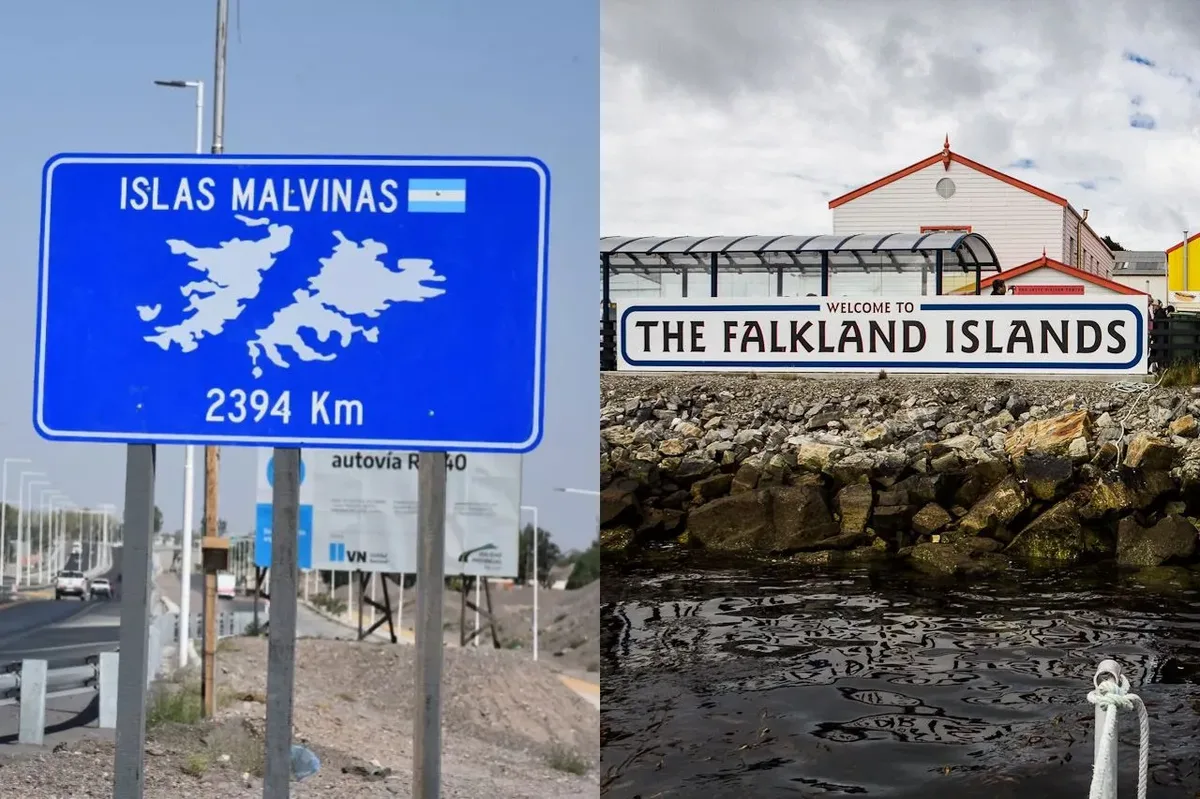
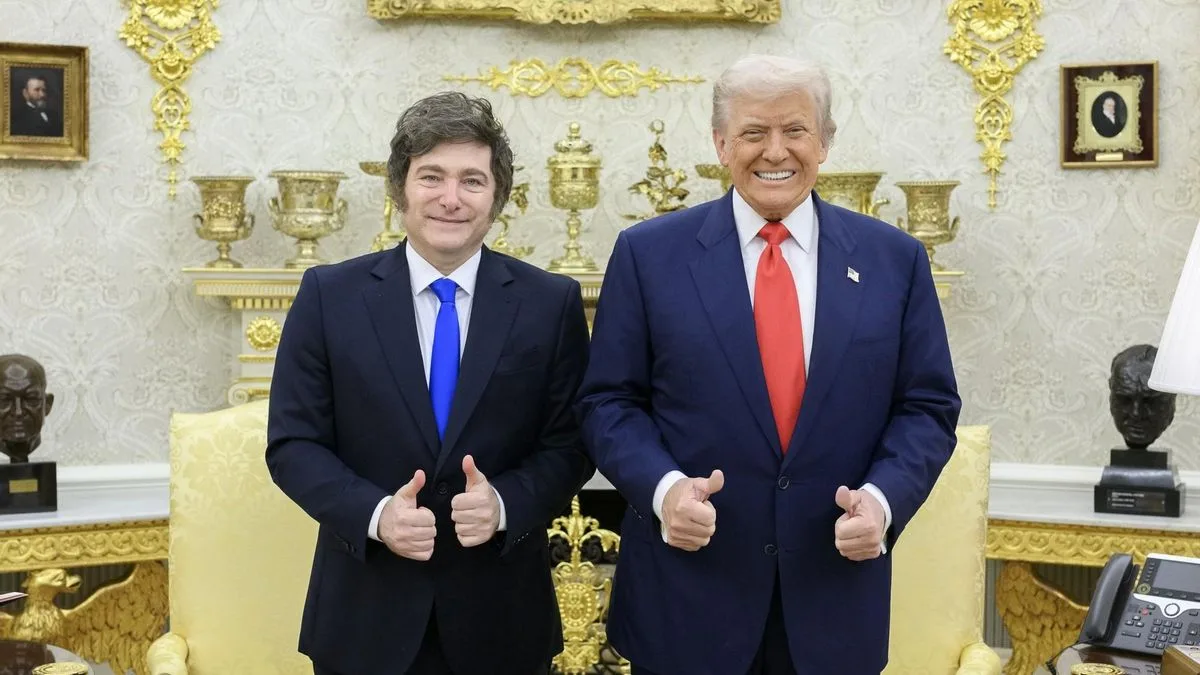
The Trump administration has put Malvinas (the Falkland Islands) back on the geopolitical chessboard, this time as a pressure tool inside NATO. According to the British newspaper The Telegraph, senior Pentagon officials are weighing whether to withdraw the political backing the United States traditionally gives the United Kingdom over sovereignty of the islands, unless Prime Minister Andy Burnham's government raises defence spending to the 5% of GDP the Atlantic Alliance demands of its members.
One more bargaining chip at the NATO table
The move fits Trump's broader strategy of forcing NATO's European partners to pay more for their own defence — informally dubbed “NATO 3.0” in Washington — and does not, for now, amount to formal support for Argentina's claim. The US ambassador in Buenos Aires, Peter Lamelas, made that clear weeks ago:
“The United States holds a position of neutrality on the islands. That has not changed.”

London rattled
But the mere mention was enough to rattle Britain. The defence budget presented by the UK Treasury drew a wave of internal criticism. Conservative MP Priti Patel wrote on X:
“Labour's failure to commit to 3% of GDP on defence has left us exposed.”
Fellow Conservative James Cartlidge went further: “The Falklands are British. Full stop.” Even Labour's own Adam Jogee agreed on the substance: “Let's be very clear: the Falklands are British. It's as simple as that.”
Minister Bridget Phillipson avoided the sovereignty question in a radio interview and instead defended the spending level: “We are investing more than at any point since the Cold War.”
Not the first time
This is not the first time the issue has surfaced in Washington as a bargaining chip. In April, an internal Pentagon email revealed by Reuters had already shown that, faced with some European allies' refusal to back military operations in the war against Iran, one of the options discussed was reviewing diplomatic support for Britain's administration of the islands. At the time, Secretary of State Marco Rubio played the episode down: “an email with some ideas.”
Caution at Argentina's Foreign Ministry
On the Argentine side, the official reaction was cautious. Foreign Ministry sources consulted by Infobae said the position should be read “within the framework of a Trump administration strategy toward NATO allies, not as a formal shift in US foreign policy.” Even so, the government does not hide its expectations: any crack in Washington's historical backing of London — for reasons unrelated to the Malvinas cause itself — opens a window Buenos Aires didn't have just a week ago.
Sources: Página12, Infobae, The Telegraph (original), Canal26, BAE Negocios, Noticias Argentinas.