Sur Global, principio de todo.
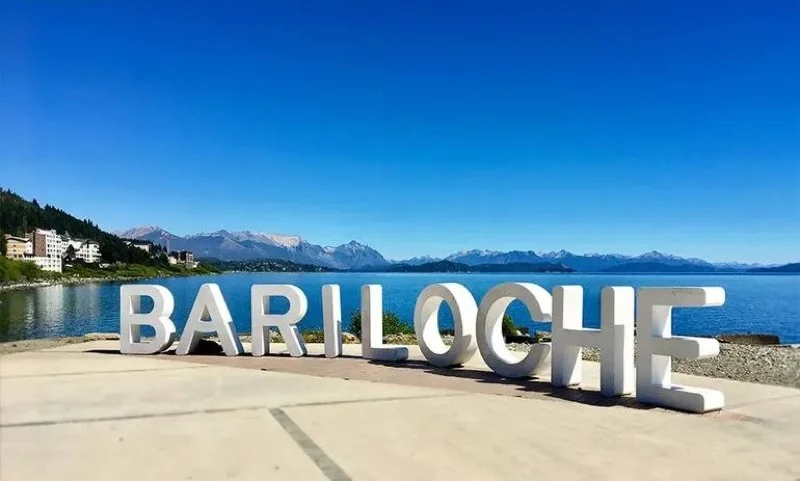
On the shores of Lake Nahuel Huapi, surrounded by volcanoes and southern beech forests that ignite in autumn colours, San Carlos de Bariloche is the most visited destination in Argentine Patagonia. The chocolate capital, the hub of southern hemisphere skiing and Andean trekking, the city pairs surprising alpine architecture with unapologetic wilderness. Whatever the season, Bariloche always delivers.
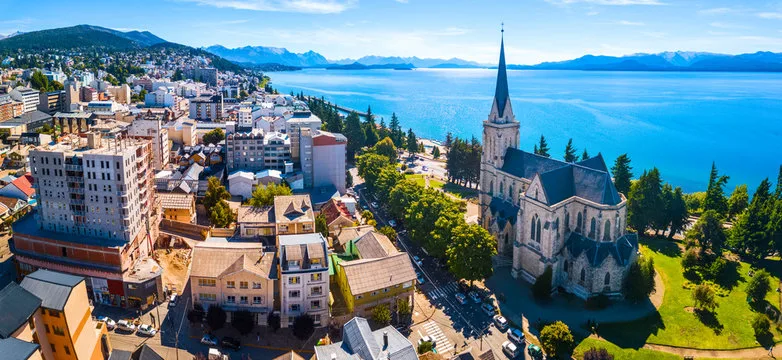
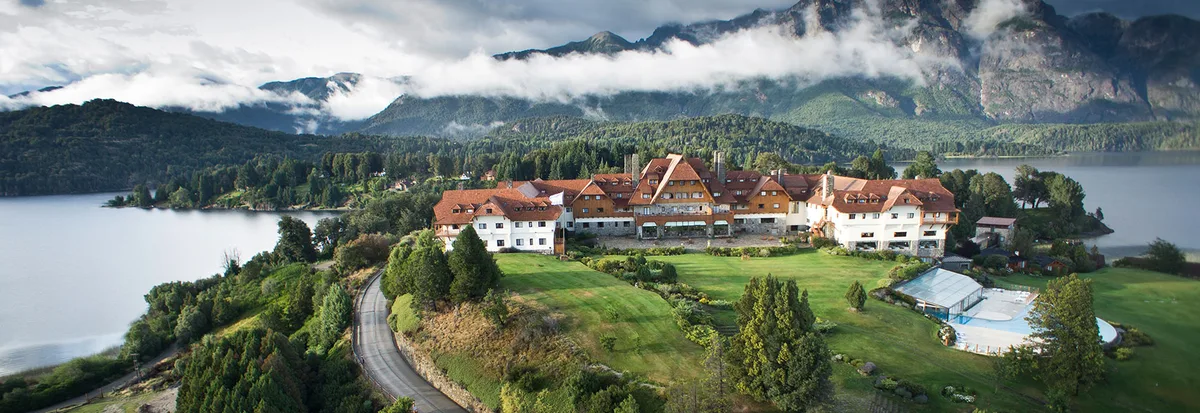
Bariloche from above: the city, Lake Nahuel Huapi and the permanent Andean backdrop.
Mapuche and Tehuelche peoples inhabited this region for millennia before any European crossed the Andes. Lake Nahuel Huapi — "Island of the Tiger" in Mapudungun — was the territory of puelches and pehuenches, who crossed the mountains following trade and conflict routes. Jesuit missionaries attempted to establish outposts in the 17th century; Father Mascardi's mission on Nahuel Huapi was destroyed by the local people in 1717 after decades of tension.
The modern story begins in 1895 when the surveyor Francisco Pascasio Moreno — who had earlier canoed across the lake and would later give his name to the famous glacier — donated three square leagues of lakeside land to the Argentine state. It became the country's first nature reserve and the seed of today's national park. Carlos Wiederhold, a German merchant, opened the first general store the same year. The town grew from that store. The official name, "San Carlos de Bariloche", blends the Christian patron with a corruption of the indigenous toponym vuriloche: "people from the other side of the mountains".
The arrival of the Viedma–Bariloche railway in 1934 transformed the village into a destination. Architect Alejandro Bustillo designed the Civic Centre, Hotel Llao Llao and several other landmarks in local volcanic stone and cypress wood — an aesthetic that permanently defined the city's visual identity. Central European immigrants of the 20th century — Germans, Swiss, Austrians — brought artisan chocolate, mountain architecture and tea culture. Today Bariloche produces over 70% of Argentina's fine chocolate.
Cerro Catedral fully covered. The best time for skiing and snowboarding at South America's largest resort. High season: book months in advance.
Trekking, kayaking and lake beaches. Long days, average 20°C. Perfect for the Circuito Chico, Cerro López and national park trails.
Lengas and ñires turn red and orange. Fewer tourists, lower prices and the most photogenic light of the year. Bariloche's secret season.
Direct flights from Buenos Aires (2 hrs), Córdoba, Mendoza and other cities. Teniente Luis Candelaria Airport is 15 km from the centre — taxi, remis or city bus line 72.
From Buenos Aires: 20 hrs sleeper coach. From Neuquén: 5 hrs. From Esquel: 4 hrs along Route 40. The terminal is a few blocks from the Civic Centre.
The famous Bariloche–Puerto Montt Lake Crossing: two days by bus and catamaran through lakes and volcanoes on the border. An experience in itself, not just a journey.
The legendary Patagonian highway passes through Bariloche. From north or south, the approach along Route 40 is one of the most spectacular road journeys on the continent.
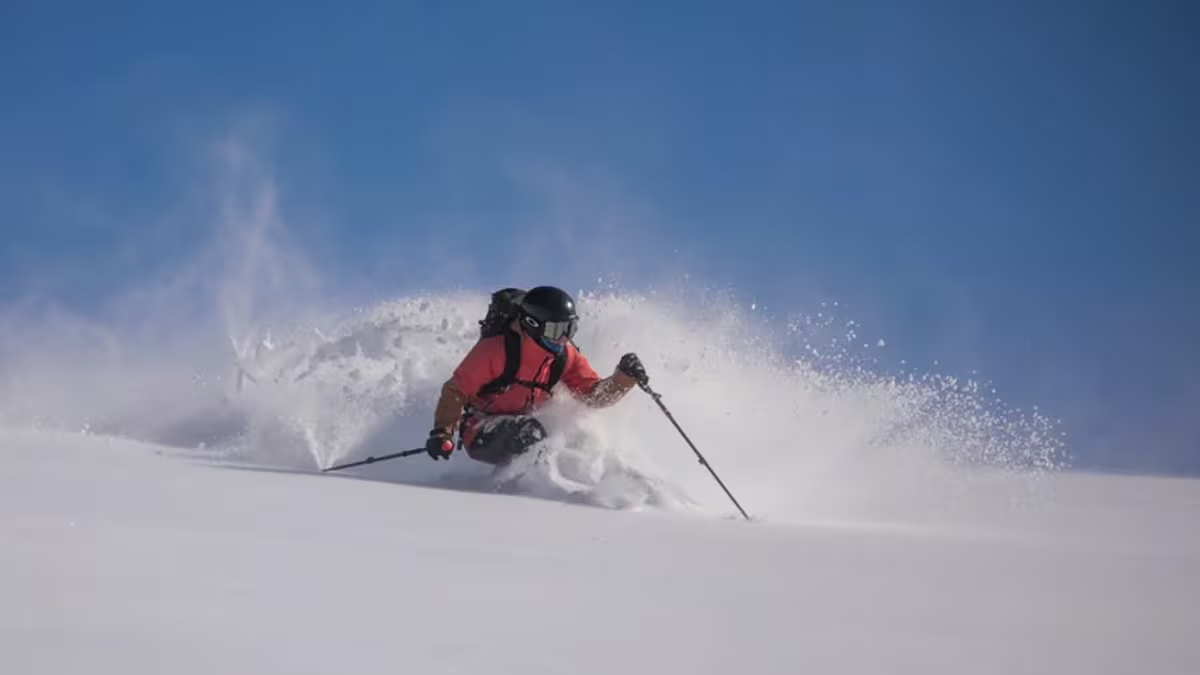
South America's largest ski resort, 19 km from the centre. Over 120 km of runs, 37 lifts and a mountain village with restaurants and hotels at the base. Season runs June to October (snow can arrive earlier). The views from the summit — Lake Nahuel Huapi on one side, Volcano Tronador on the other — are unmatched anywhere in the world. In summer, the chairlifts open for hikers and mountain bikers.
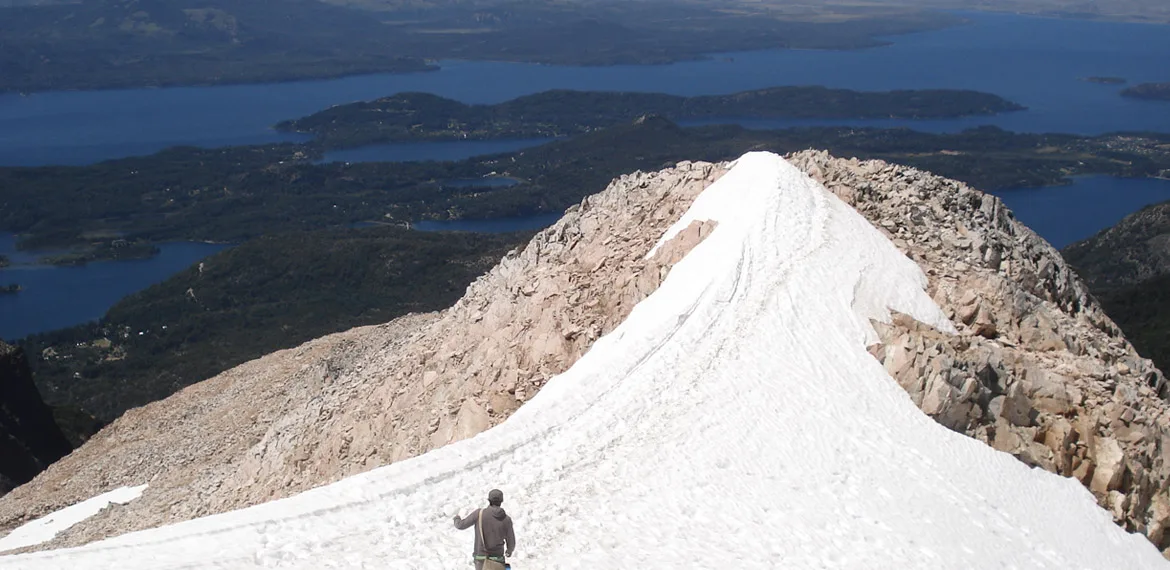
The most accessible and most spectacular trek in Bariloche. Departs from the city; 3–4 hour ascent to the refuge at 1,600 m above sea level. The view from the top — Nahuel Huapi stretching 560 km² below — is one of the most photographed in Patagonia. The refuge offers food and overnight stays: for those who want to catch the sunrise over the lake, spending the night is worth every penny.
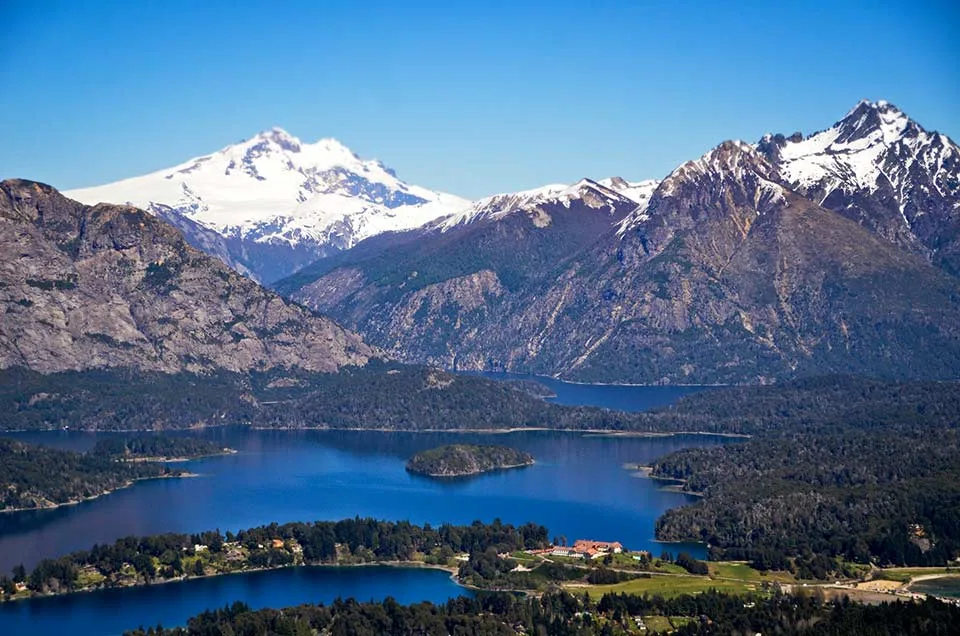
Bariloche's classic drive: 65 km by car or bicycle hugging the shore of Lake Nahuel Huapi past Cerro Campanario (mandatory viewpoint), Hotel Llao Llao, Puerto Pañuelo and Bahía López. Campanario is reached by chairlift in 10 minutes and delivers one of the best panoramic views in the region. Do it at sunset to double the effect.
Argentina's oldest national park (established 1934) completely surrounds the city. More than 700,000 hectares of glaciers, volcanoes, coihue and arrayán forests, and impossibly blue lakes. Park trails range from 2-hour walks to multi-day expeditions. Volcano Tronador — 3,491 m, with active glaciers — is the highest summit and most imposing landmark. Free access; some trails require prior registration.
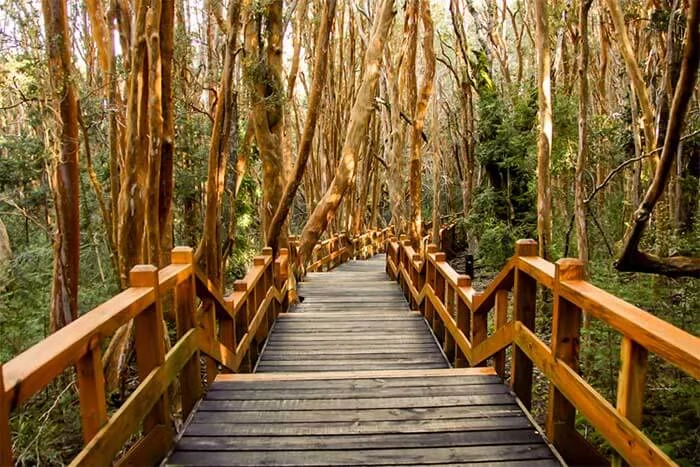
Catamaran excursion from Puerto Pañuelo (1.5 hrs each way). Isla Victoria has deer and views of Volcano Tronador. The highlight: the Arrayanes Forest on Quetrihué Peninsula, a forest of cinnamon-orange trees that exists nowhere else on Earth in this concentration. Walt Disney visited in the 1940s and reportedly drew inspiration from it for the forest in Bambi. Half-day excursion.
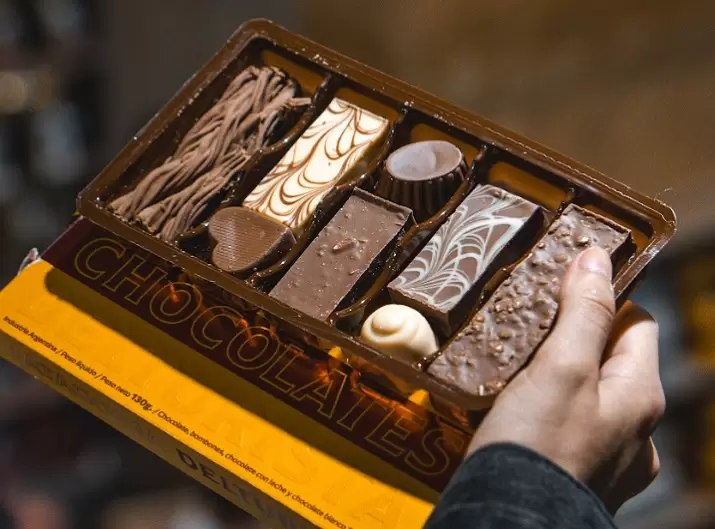
Bariloche produces Argentina's finest chocolate, a tradition inherited from European chocolatiers who arrived in the early 20th century. Mitre Street is lined with artisan chocolate shops: Mamuschka, Rapa Nui, Familia Weiss, Del Turista. For a more authentic experience: the small-batch makers in the Melipal neighbourhood or El Bolsón produce finer, less touristy chocolate. The raspberry chocolate with lenga bark is, by several rankings, the best in South America.
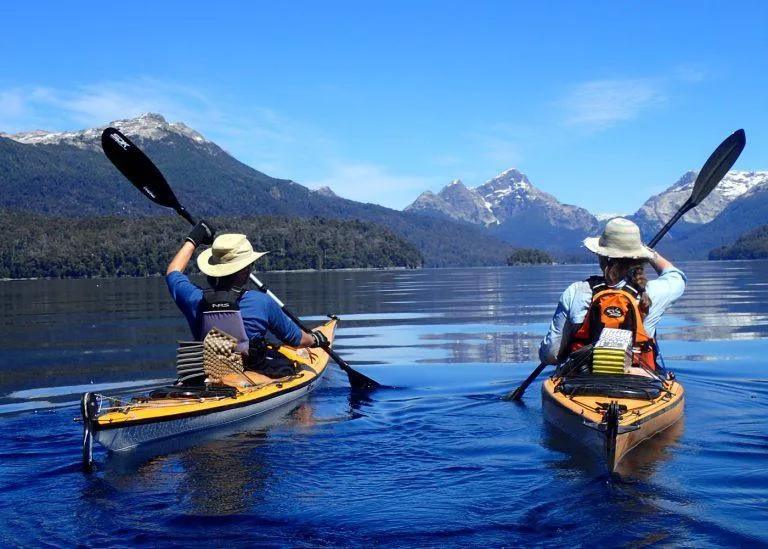
Argentina's largest Patagonian lake (560 km²) has multiple arms and bays to explore by kayak. Several operators run guided trips from the waterfront. For experienced paddlers: the crossing to Isla Victoria by sea kayak (8 hrs) is a classic regional challenge. Multi-day trips with island camping are also available.
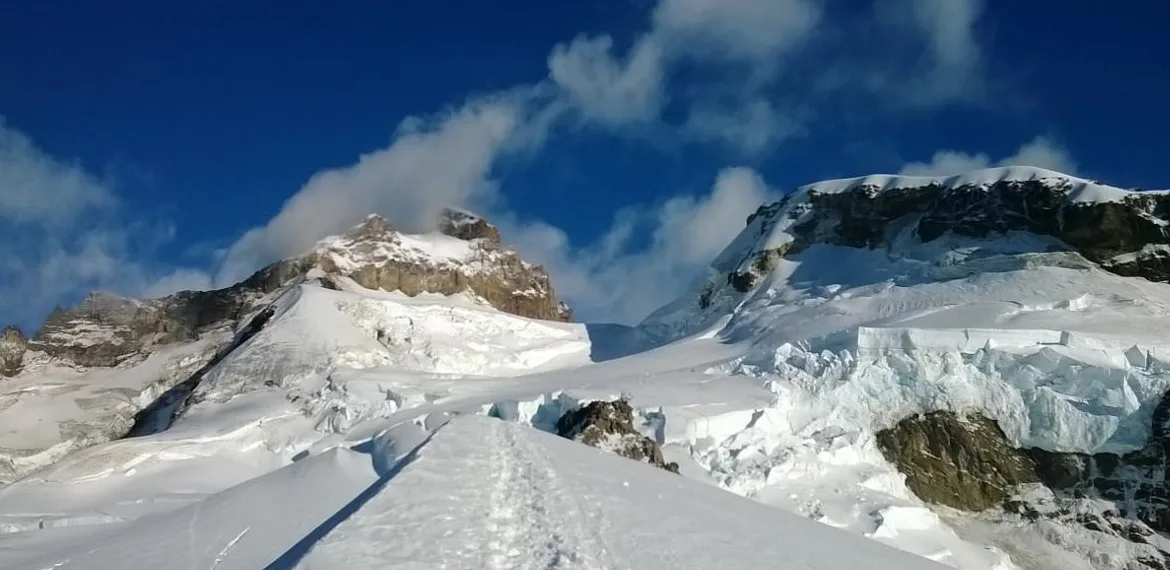
Bariloche's white giant. Access via the Seven Lakes Road to Pampa Linda (80 km from the centre), then several trails including one reaching the Black Glacier. The hike to the Tronador viewpoint takes 4 hours return. No high-mountain experience required; good footwear and warm layers are essential even in January.
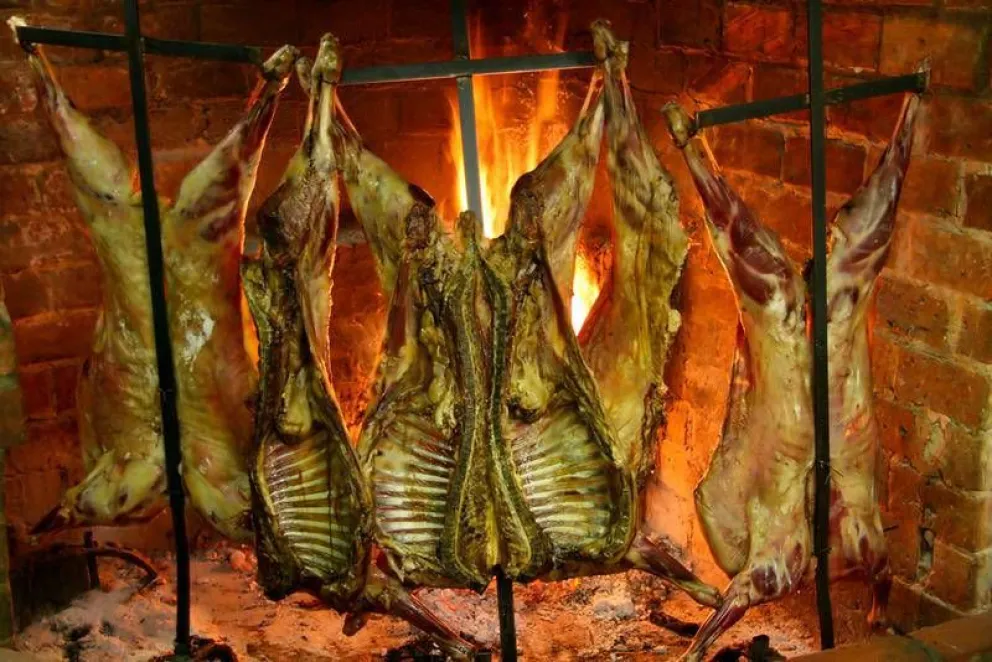
Bariloche's reference parrilla. Patagonian lamb on the asador, views of Lake Nahuel Huapi, estancia atmosphere. Pricey but worth the occasion.
The city's oldest restaurant. Mountain cooking: lake trout, braised wild boar, cheese fondue. Period decor, local clientele.
Author bistro with seasonal Patagonian produce. The menu changes with what's at market. Reserve ahead in summer and winter peak seasons.
No-frills home cooking: stew, pasta, milanesa. The locals' favourite for a good, affordable meal. No reservations; arrive early.
Lamb raised on the Patagonian steppe produces leaner, more flavourful meat than any other variety. On the asador or al la cruz, with chimichurri or simply Patagonian salt. Look for restaurants using lamb from local Neuquén or Río Negro producers. The difference from feedlot lamb is total.