Global South, the beginning of everything.

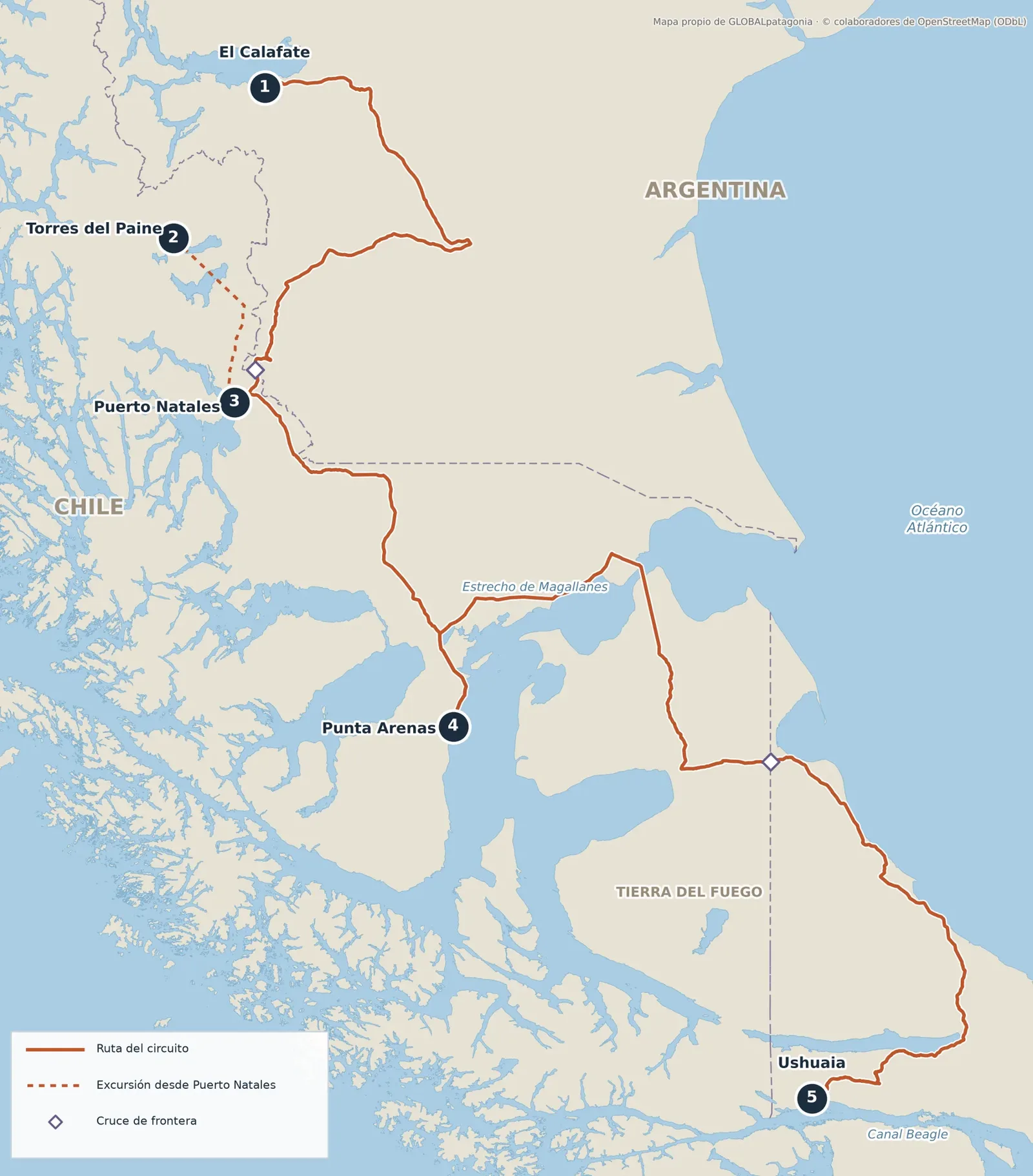
One trip, two countries and five stops: the Perito Moreno Glacier in El Calafate, the granite towers of Torres del Paine, Puerto Natales, Punta Arenas on the Strait of Magellan, and Ushuaia, the southernmost city in the world. It is a 12-day overland route with two border crossings, heading south until it reaches the end of the continent. You can do it by bus or by rental car: pick up in El Calafate and drop off in Ushuaia, or the other way around.
| Days | Stop | What to do | Transfer |
|---|---|---|---|
| 1 to 3 | El Calafate 🇦🇷 | Perito Moreno Glacier, walkways and boat trip; Nimez lagoon | Arrival by plane |
| 4 | Puerto Natales 🇨🇱 | Arrival and preparation for the park | Bus with a border crossing, 4 to 7 h |
| 5 to 7 | Torres del Paine 🇨🇱 | Lake Pehoé, Base of the Towers, Grey Glacier | Bus or excursion from Puerto Natales |
| 8 | Punta Arenas 🇨🇱 | City on the Strait of Magellan | Bus, about 3 h |
| 9 | Punta Arenas 🇨🇱 | Excursion to a penguin colony (in season) and a walk downtown | — |
| 10 | On the road to Ushuaia | Strait crossing by ferry and the border at San Sebastián | Bus, 10 to 12 h |
| 11 and 12 | Ushuaia 🇦🇷 | Tierra del Fuego National Park and a cruise on the Beagle Channel | Return by plane |
| Leg | Approx. distance | Approx. time | How |
|---|---|---|---|
| El Calafate → Puerto Natales | 350 km | 4 to 7 h | Bus, with a border crossing |
| Puerto Natales → Torres del Paine | 110 km | 2 h | Bus or car, to the Laguna Amarga entrance |
| Puerto Natales → Punta Arenas | 250 km | 3 h | Bus |
| Punta Arenas → Ushuaia | 600 km | 10 to 12 h | Bus, with a ferry across the Strait and the border at San Sebastián |
| Total overland route | 1,200 km | — | From El Calafate to Ushuaia, without the Torres del Paine excursion |
Long days, fewer people and lower prices. Some services are just opening and the wind is already strong in the park.
The best weather and all services open, but it is high season: book flights, buses and lodging well in advance.
Reddish forests and fewer visitors. There are fewer bus departures and the penguin colony is no longer active.
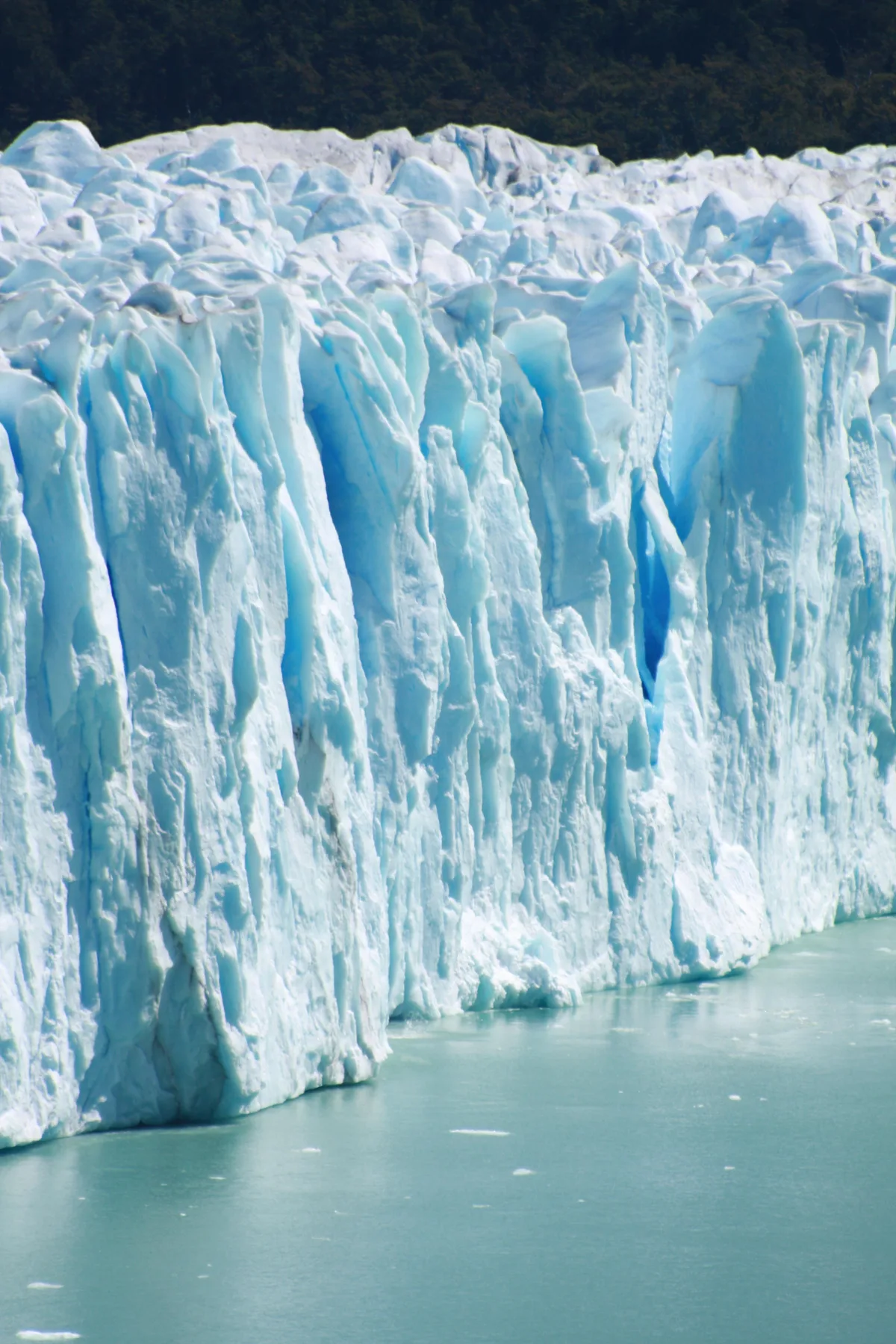
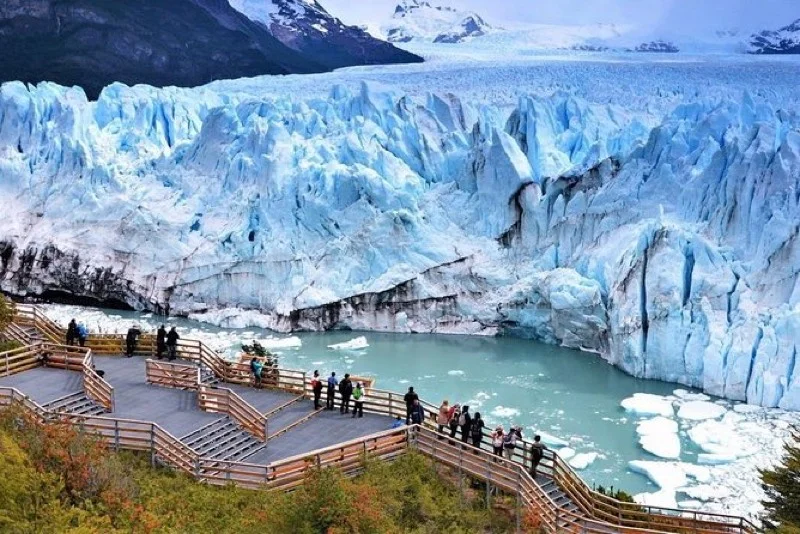
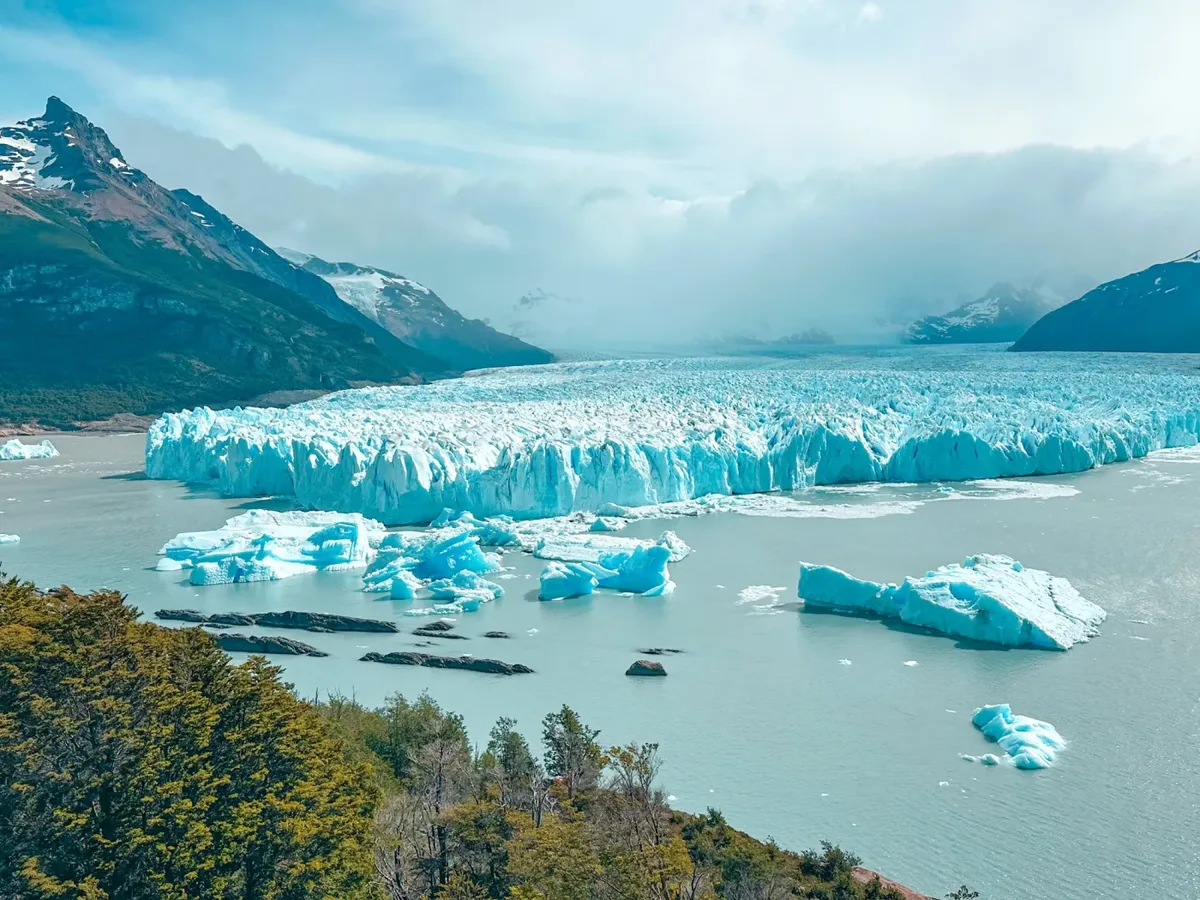
It is the gateway to Los Glaciares National Park, a UNESCO World Heritage Site. The Perito Moreno can be seen from the walkways, by boat or by walking on the ice. There is still time and energy left for Nimez lagoon and the town. See the El Calafate guide →
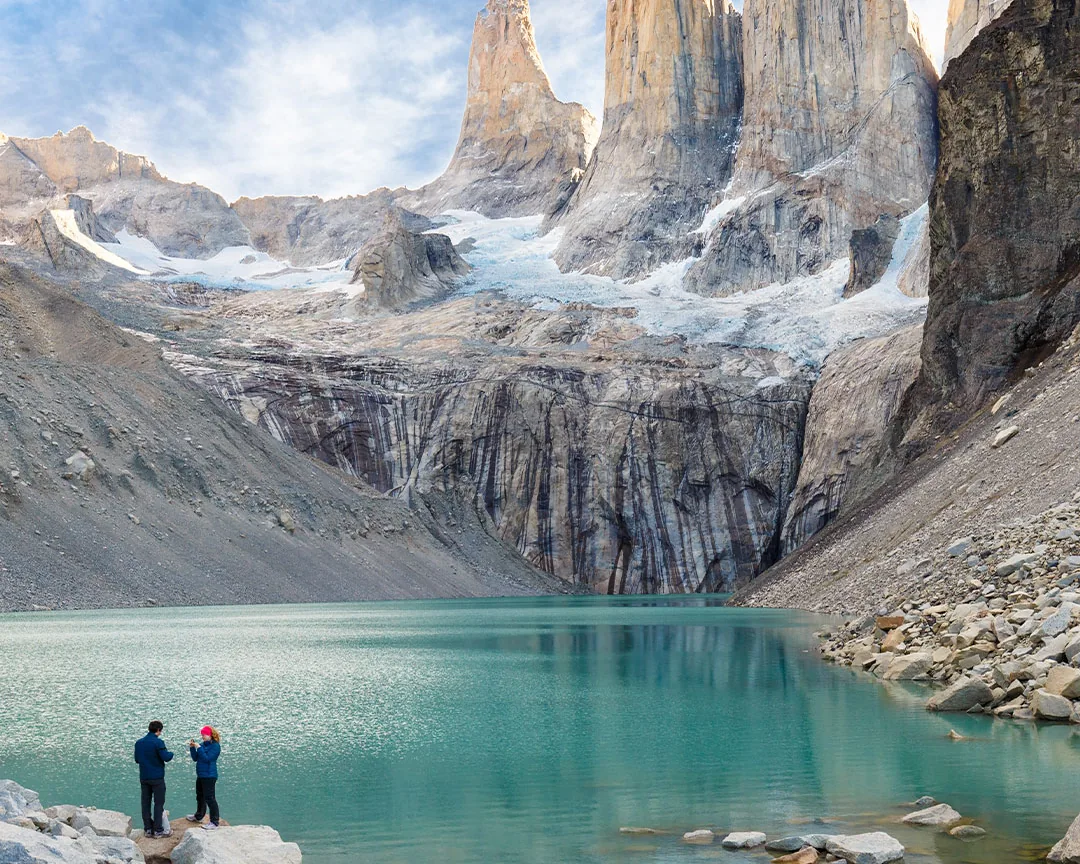
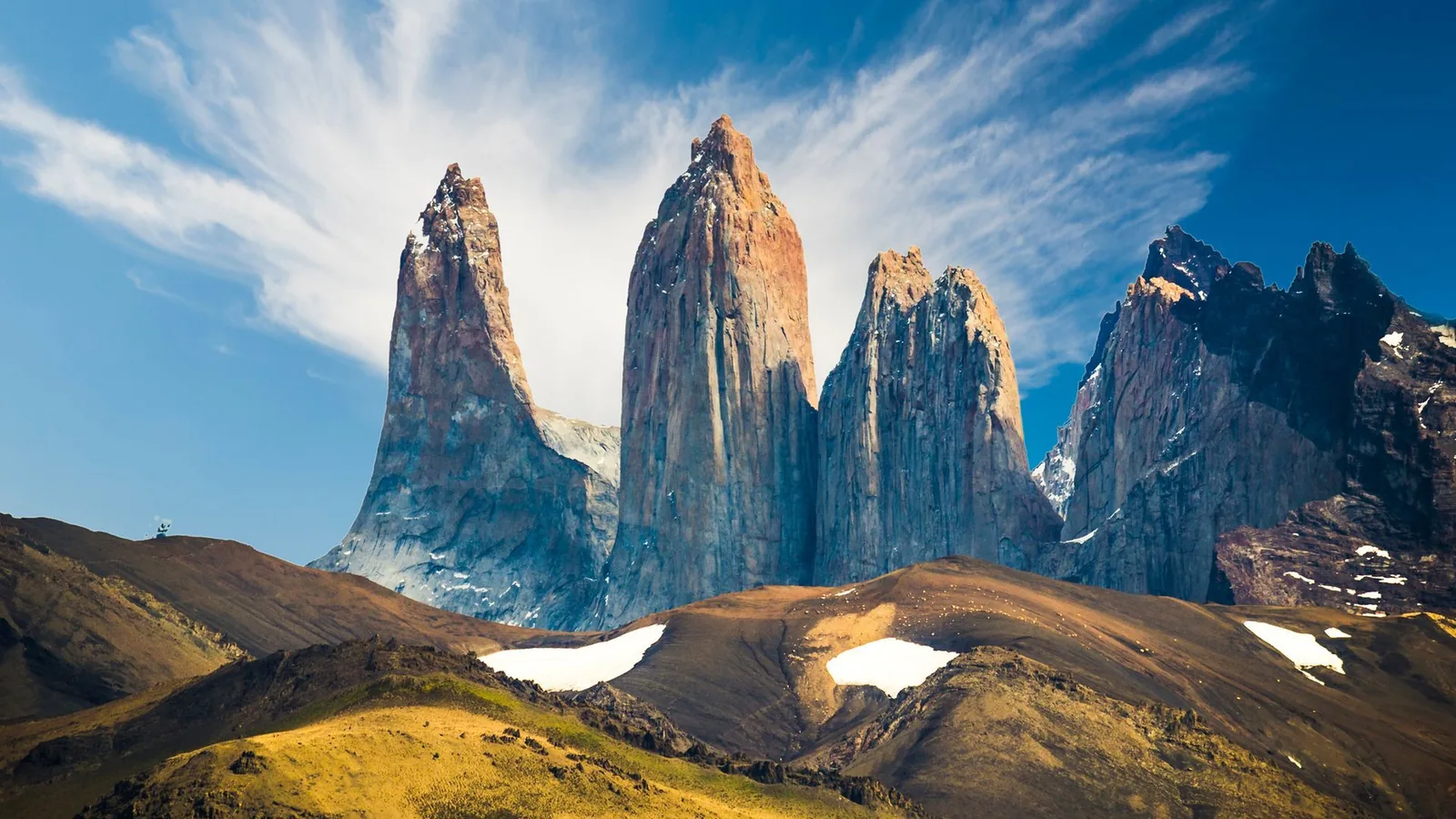
Three days are enough for the essentials: one day for the viewpoints over Lake Pehoé and the guanacos, another for the hike to the Base of the Towers (8 to 10 hours) and another for Grey Glacier. See the Torres del Paine guide →
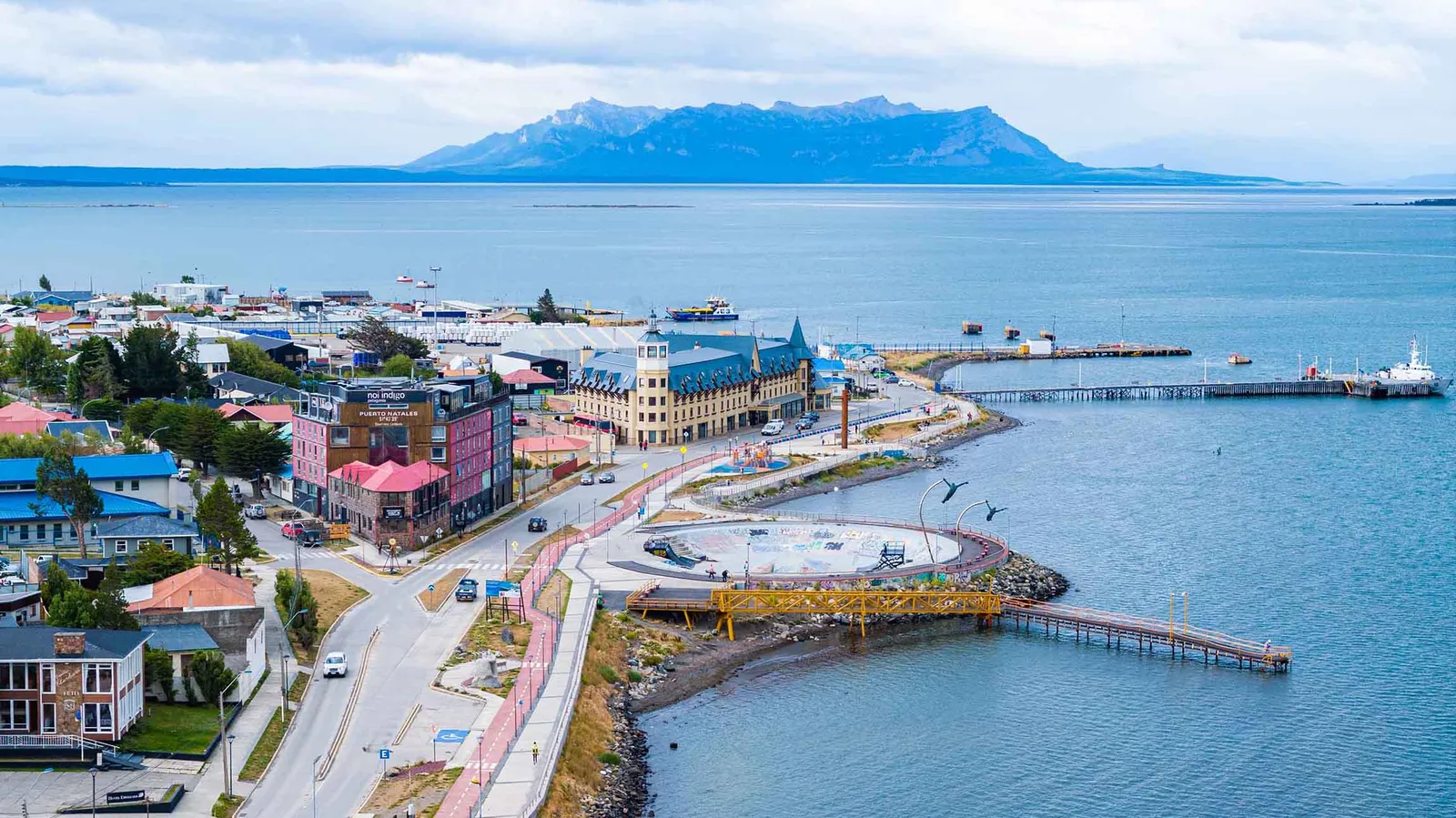
It is the base for the park, about 110 km away: hostels, restaurants and gear shops. It serves as a stopover on the way in and out. It sits on Última Esperanza Sound, with views of the channels and the mountains in the background.

The largest city on the Strait of Magellan, with a waterfront of colorful houses and a stately main square. Excursions to the penguin colonies leave from here, and they run only in season: check dates and book before you travel.
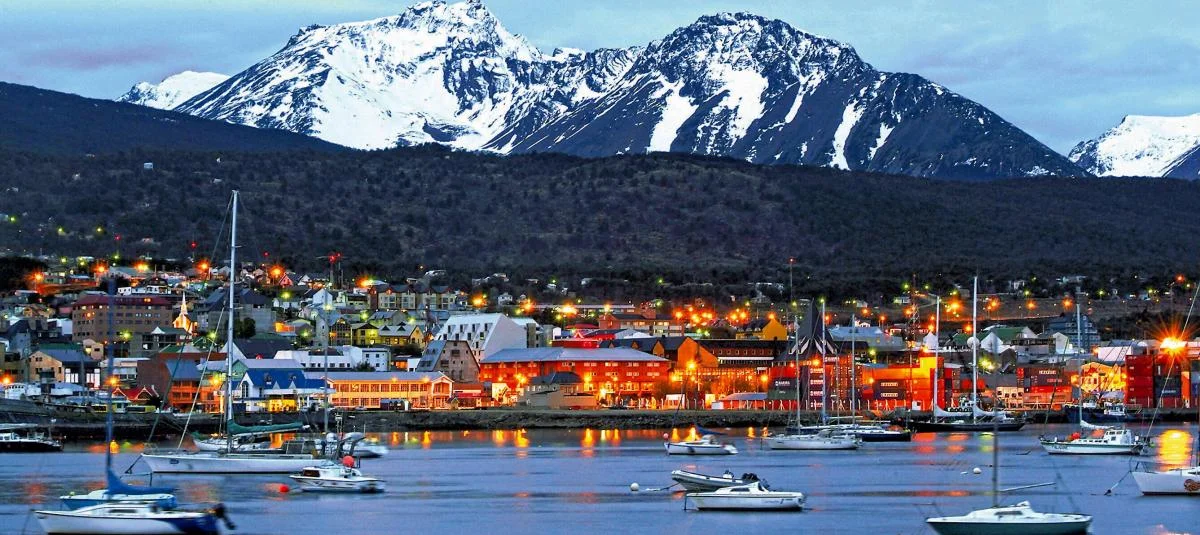
The southernmost city in the world, between the mountain range and the Beagle Channel. Two days are enough for Tierra del Fuego National Park and a cruise on the channel, with sea lions and lighthouses. See the Ushuaia guide →

The dish of the whole route, grilled or stewed. You can eat it in El Calafate, Puerto Natales and Ushuaia, and at the estancias it is served with the barbecue in plain sight. For dessert, look for sweets and ice cream made with calafate, the berry that gives the town its name.

The queen of the Beagle and the Strait of Magellan. You can order it in Punta Arenas, Puerto Natales and above all Ushuaia, natural or gratin. It is an expensive dish: check the price before ordering.
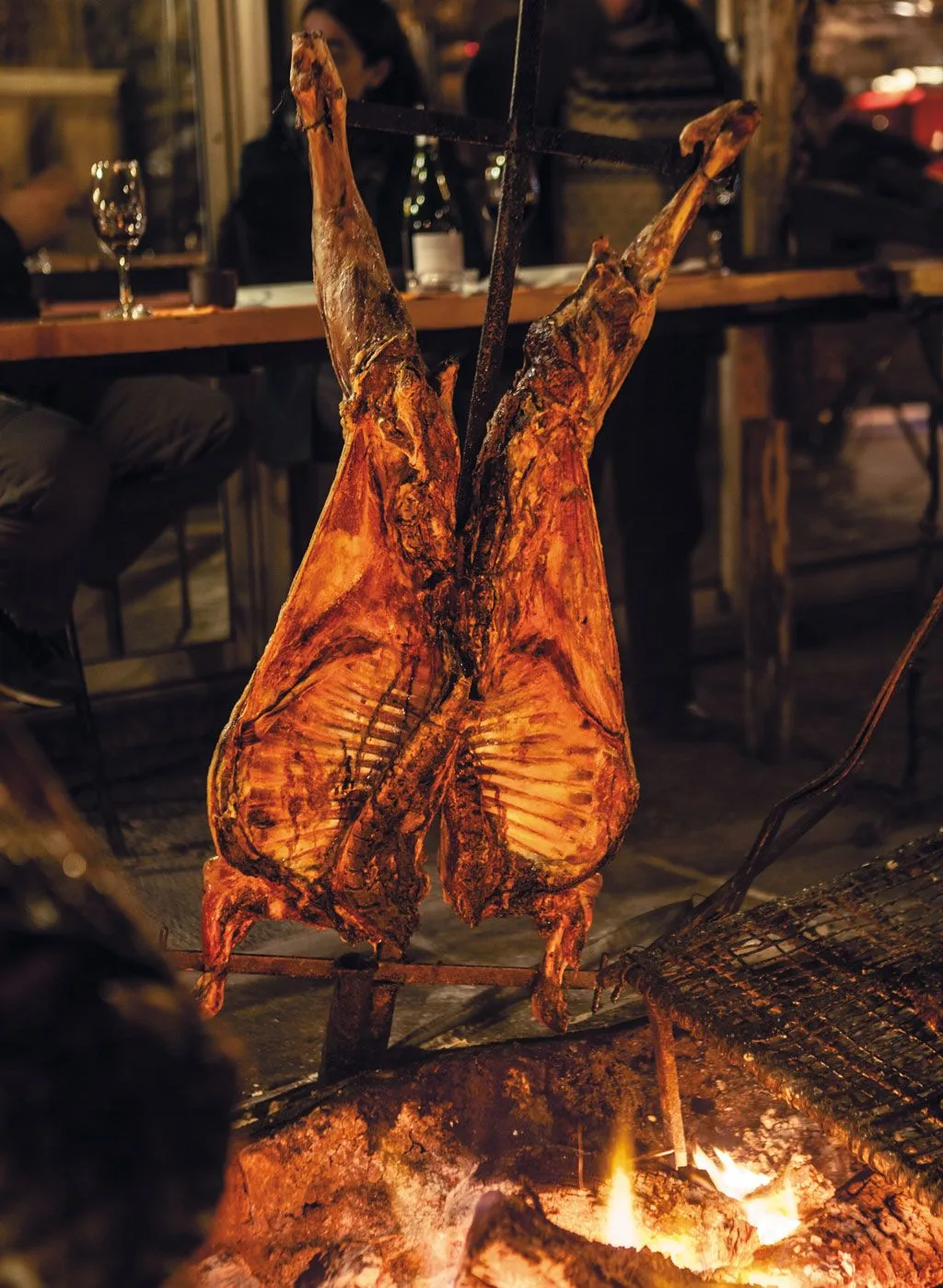
In Ushuaia lamb is roasted on a cross, and there is also trout, Patagonian toothfish and shellfish from the cold waters of the channel. A dinner like this is the natural end to this trip.
Every town has its brewery. It is a good stop after a long hike.
On the Chilean side, a pisco sour goes with almost any table. Wines from the Central Valley are on every menu.
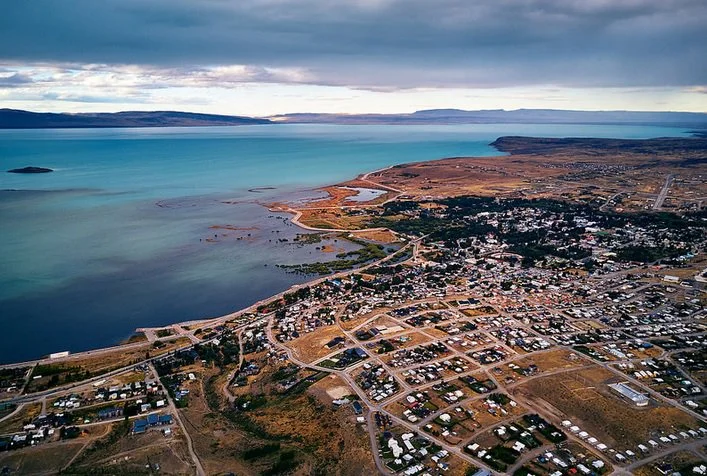
Walk through the Laguna Nimez reserve, a few minutes from downtown, to see flamingos and lagoon birds. The Glaciarium, an ice museum on the road to the glacier, and the estancias where you can watch sheep shearing and taste a full barbecue make up a day without the glacier.
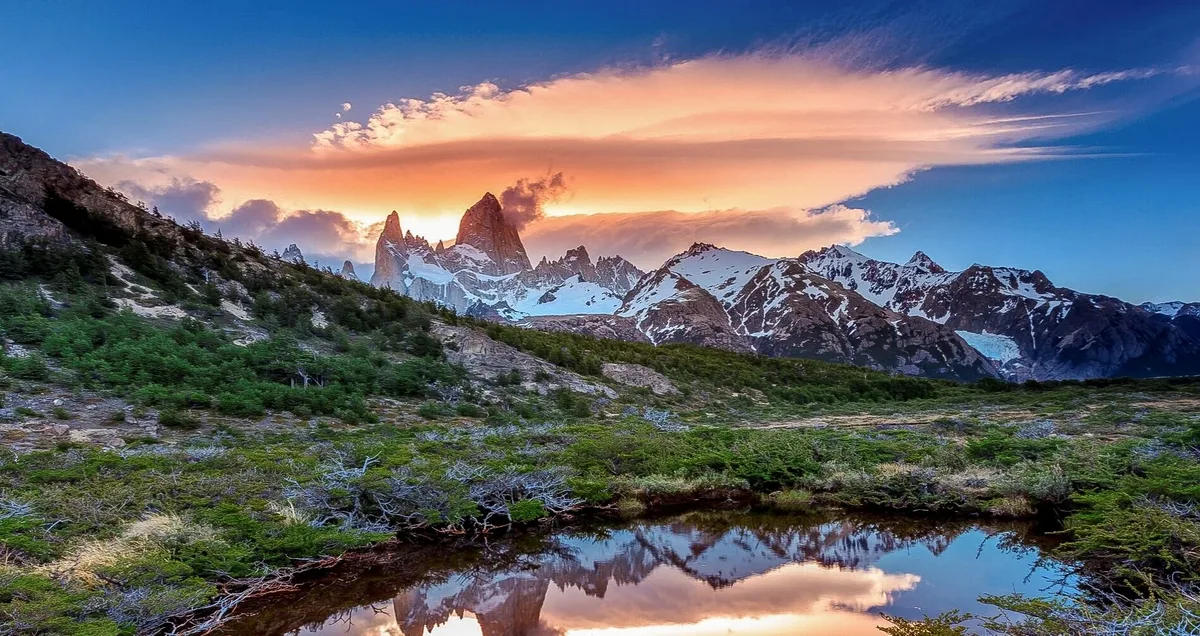
If you have an extra day, El Chaltén is about three hours from El Calafate and is Argentina's trekking capital, at the foot of Fitz Roy. It works as a day trip or with an overnight stay.
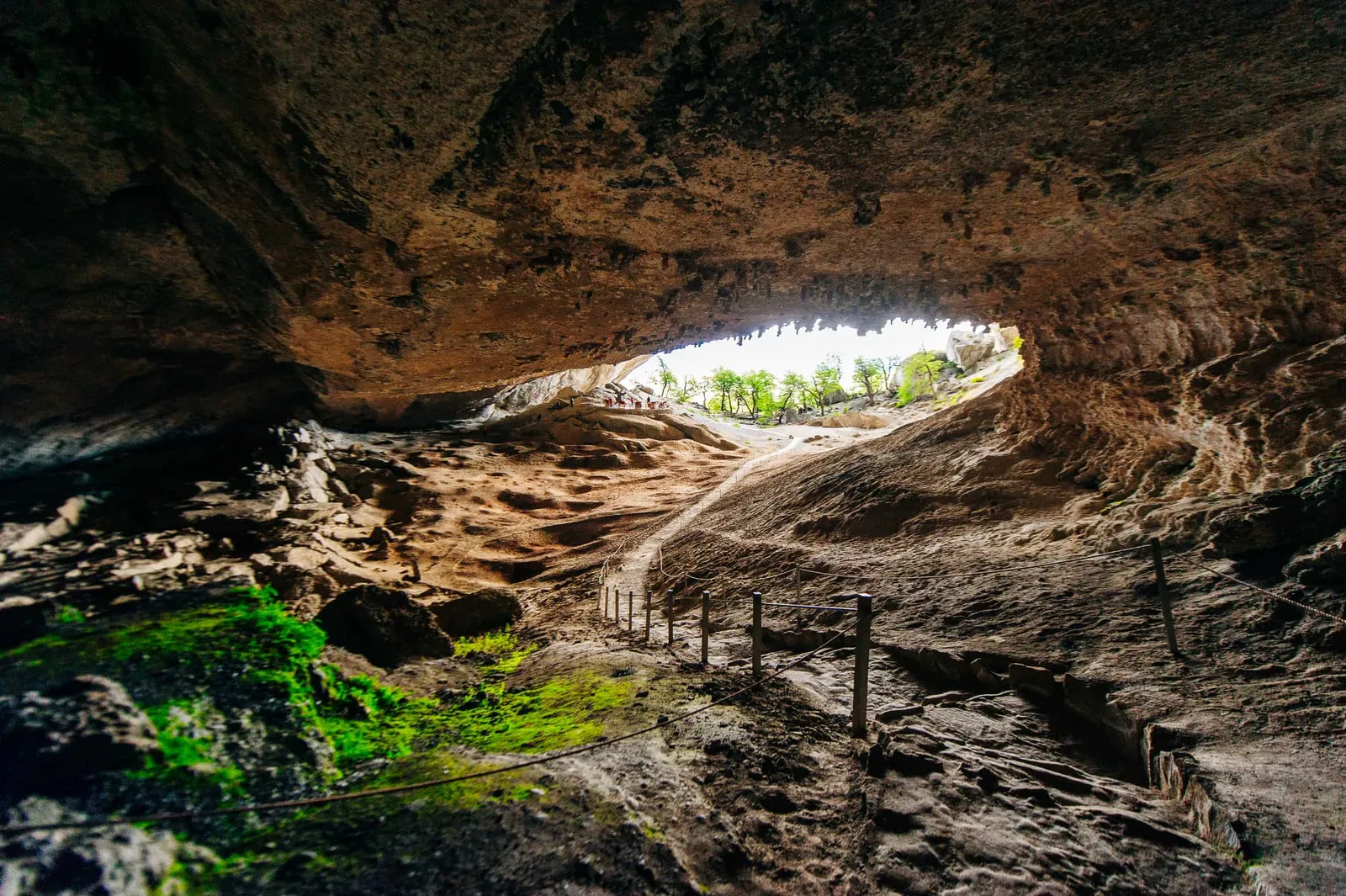
About 25 km north of Puerto Natales, the remains of a giant ground sloth thousands of years old were found in the Milodón Cave. It is a short, half-day visit, a good addition to a rest day between hikes.
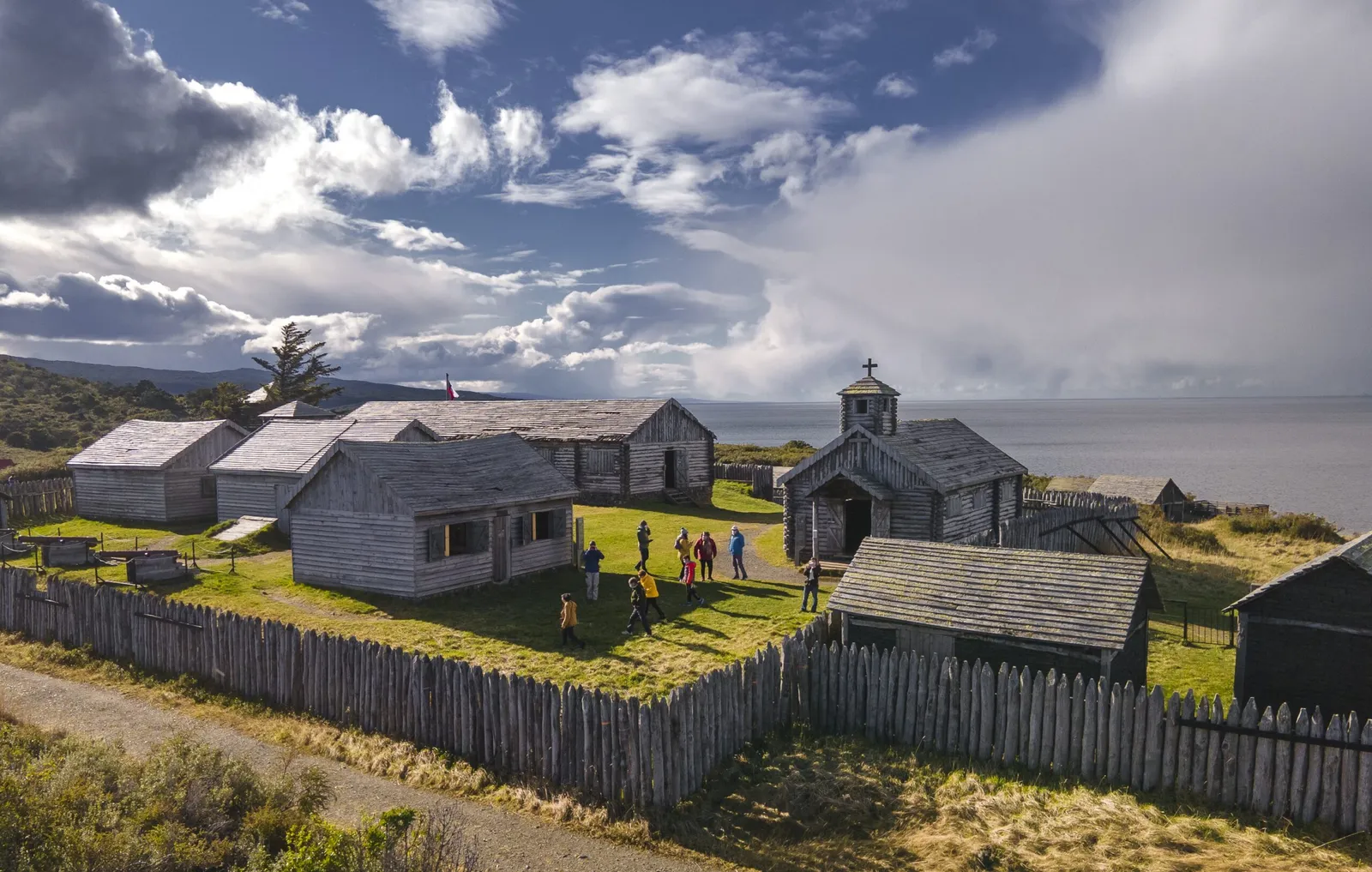
About 55 km south of the city, on the strait, stands Fuerte Bulnes, founded in 1843: the first Chilean settlement in the area. What you visit today is a reconstruction, with wooden houses, a chapel and a palisade, and a good half-day outing along the coast.
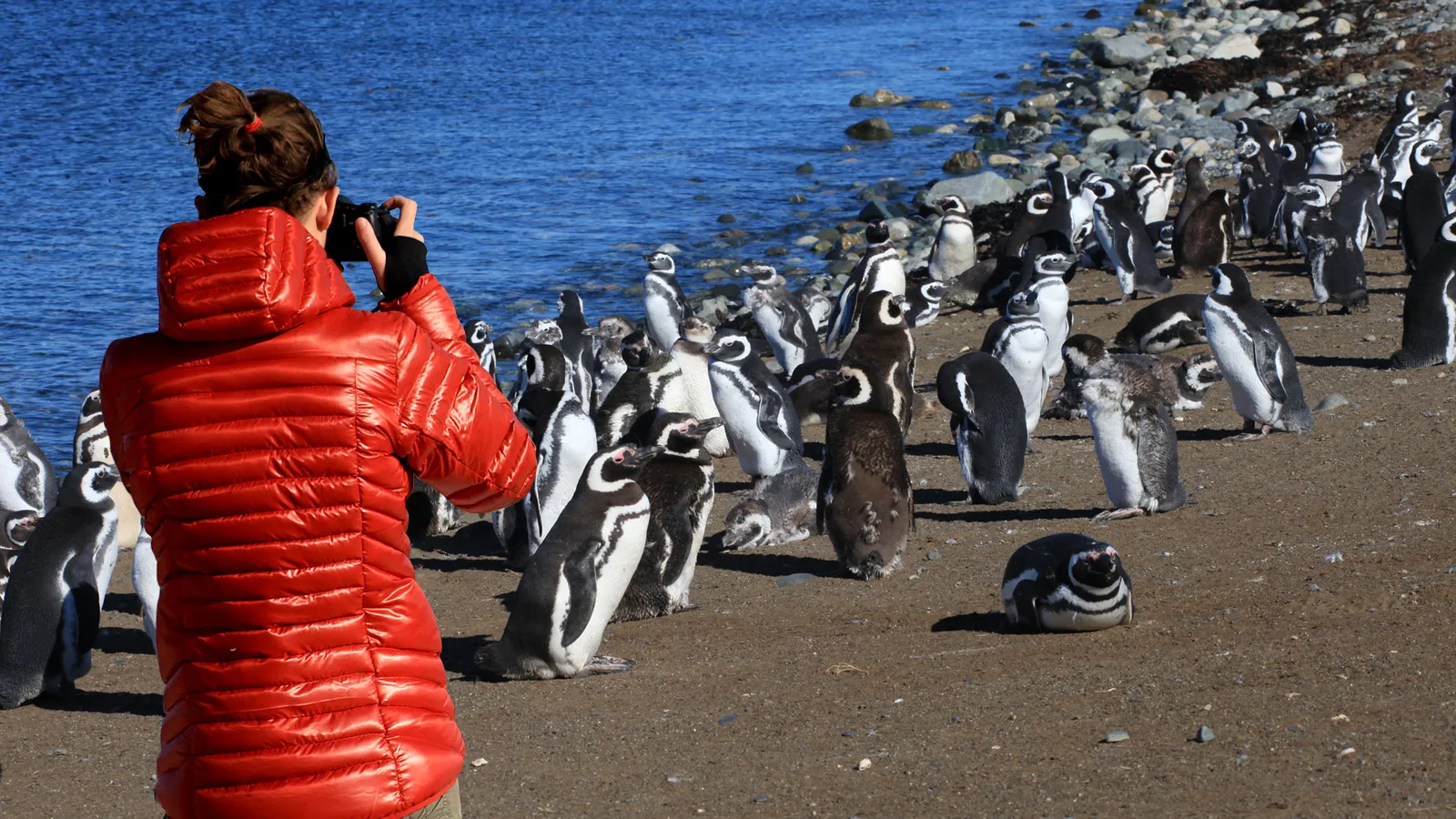
In season, the penguin colonies at Seno Otway or Isla Magdalena, reached by boat, are the most sought-after excursion. In the city, two hours are enough for Plaza Muñoz Gamero, the Municipal Cemetery and the Cerro de la Cruz viewpoint. Departures depend on the weather and the calendar: book in advance.
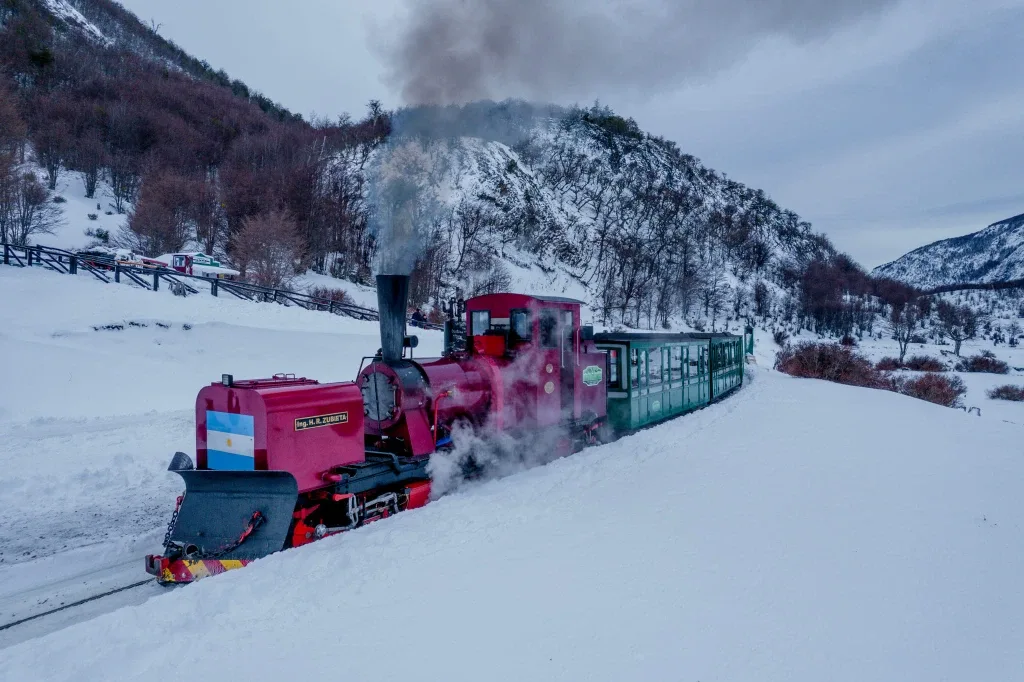
A steam locomotive runs along a stretch of the old prison route, through lenga forests and along the Pipo River, inside Tierra del Fuego National Park. It is a ride of about two hours, very popular: book in advance in high season.
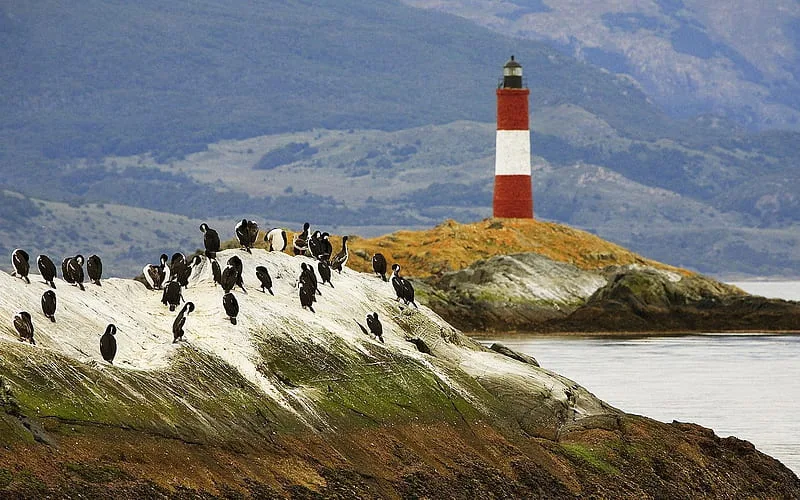
The cruise on the Beagle reaches Les Éclaireurs Lighthouse and the islands of sea lions and cormorants. On land are the End of the World Museum and the former prison, now a maritime and prison museum. With time, Martial Glacier can be reached on a short walk from the city.
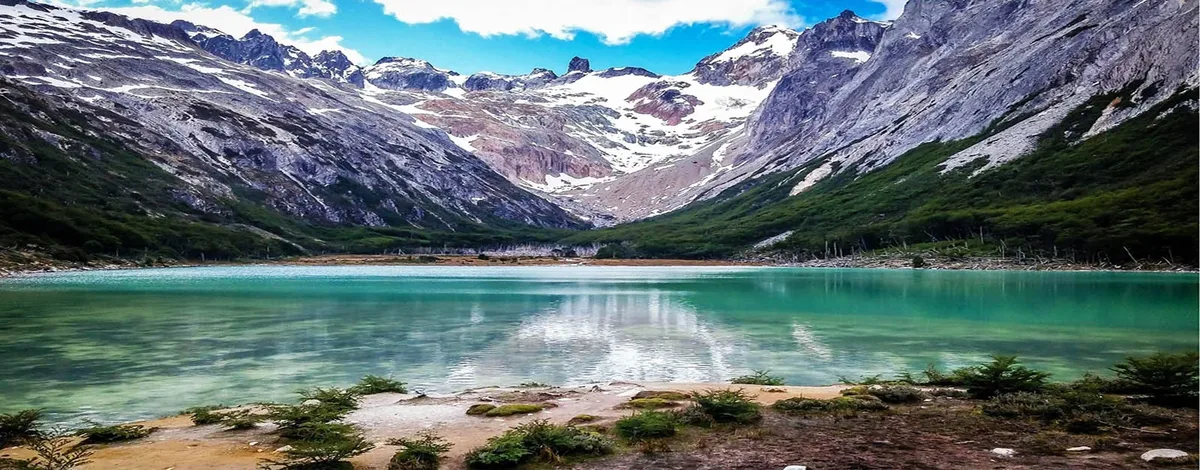
A half-day hike through peat bogs and lenga forest to a turquoise lagoon at the foot of the glacier. It is the most recommended excursion for those who arrive eager to walk but without much energy.
Bus with a border crossing: between 4 and 7 hours depending on the company and the delay at the checkpoint. In high season there are several departures a day; outside the season, fewer and not every day.
About 250 km, around 3 hours. There are many departures a day in summer and fewer in winter. You buy tickets at the terminal or online.
The longest leg: 10 to 12 hours by bus, with a ferry crossing of the Strait of Magellan (30 to 45 minutes, depending on the weather) and a border check at San Sebastián. The companies do not run every day and the ferry depends on the weather.
If time is short, you can fly between Punta Arenas and Ushuaia or from El Calafate to the rest of the country, and keep the bus only for the shorter legs. Flights change by season: check before planning the trip.
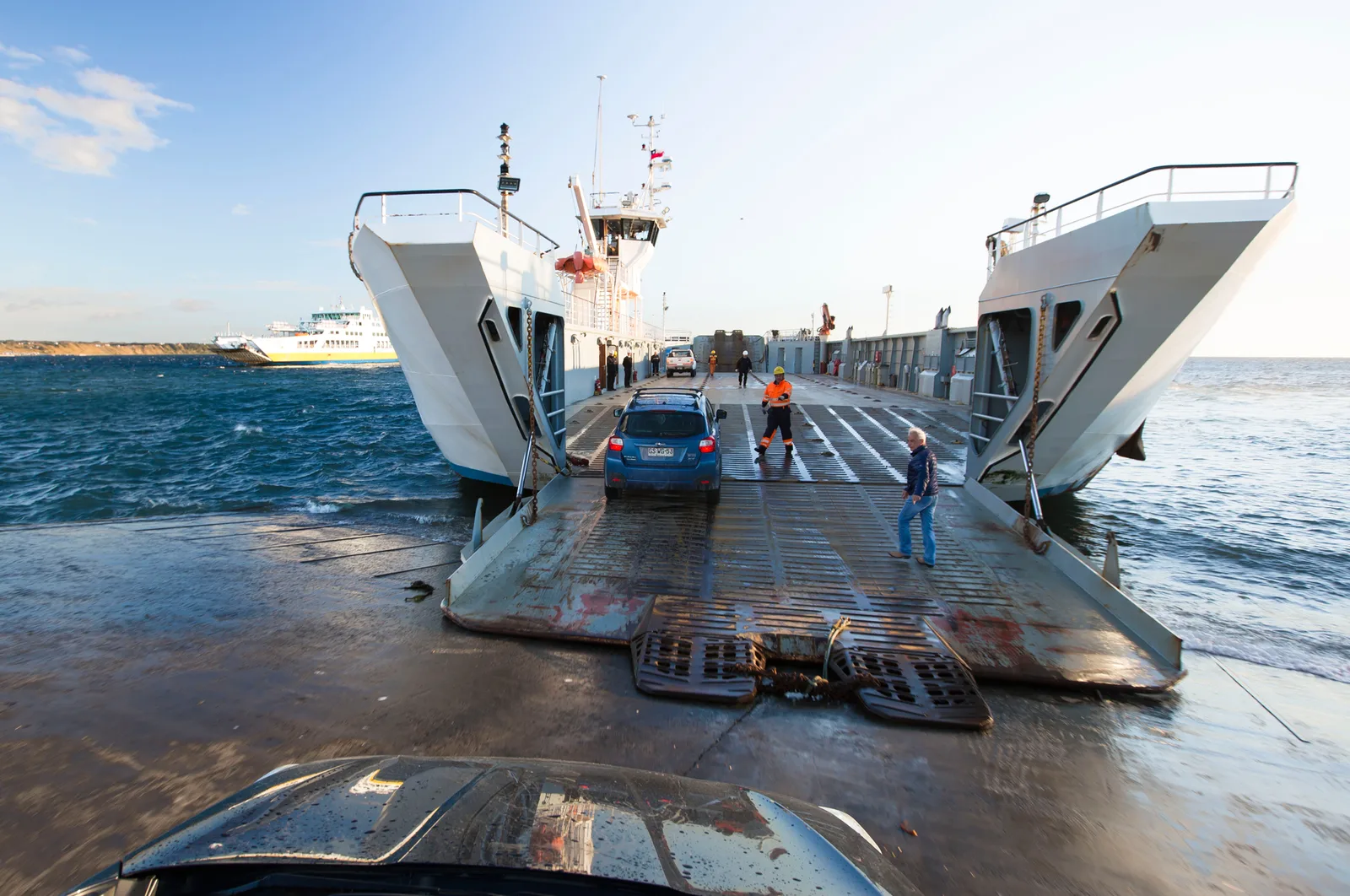
To reach Tierra del Fuego you have to cross the Strait on a ferry, at the Primera Angostura crossing, between Punta Delgada and Bahía Azul. It carries buses, cars and trucks, and the crossing takes 30 to 45 minutes depending on the weather. If it is very windy, it is delayed or cancelled: that is why it is wise to leave some margin in the day.
The freest option: pick up the vehicle in El Calafate and drop it off in Ushuaia, or the other way around. It is possible, but with conditions. Both cities are in Argentina, and rental companies require the car to return to Argentina; the hard part is crossing into Chile and getting authorization to do so.
It is mandatory and must be requested from the company in advance: Hertz requires at least 72 hours, with a copy of your passport and driver's license. You need a notarized authorization, insurance valid in both countries and the vehicle's papers. Without a permit, insurance can be voided.
According to travel guides, Hertz, Localiza and Europcar authorize the crossing for a fee; Budget decides case by case and most local companies do not allow it. At Hertz, small economy models cannot cross and the authorized fleet in Ushuaia is limited.
Between El Calafate and Ushuaia there is a one-way fee that does not appear in published rates: ask for the total price in writing before booking. Returning the car outside Argentina carries penalties of thousands of dollars at Hertz.
Fuel, tolls and the Strait ferry (paid separately), and full insurance, advisable on gravel: a windshield can cost between 300 and 800 dollars.
| Vehicle | Per day · low season | Per day · summer | 12 days in summer | Best for |
|---|---|---|---|---|
| Economy car | USD 40–55 | USD 65–85 | USD 780–1,020 | City and paved roads, but it often cannot cross into Chile |
| Compact SUV | USD 60–80 | USD 95–130 | USD 1,140–1,560 | The best value for this route: pavement, some gravel and wind |
| Mid-size SUV | USD 90–120 | USD 140–180 | USD 1,680–2,160 | More space and comfort for four people |
| 4x4 pickup truck | USD 110–150 | USD 170–220 | USD 2,040–2,640 | Winter, gravel roads and leaving the main road |
This route combines many hours of overland travel with hikes in Torres del Paine: the Base of the Towers takes between 8 and 10 hours, with a climb over rock, strong wind and fast-changing weather. Medical services are far from several stretches.
This guide is informational and does not replace the opinion of a doctor or a professional guide. Everyone must assess their own condition and that of those traveling with them.